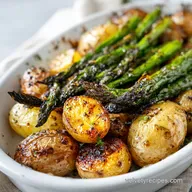
OnePan Garlic Potatoes and Asparagus Recipe
Staggered roasting times ensure the potatoes soften while the asparagus stays snappy. This one-pan method simplifies cleanup while delivering a complete side dish with minimal effort.
one-pan method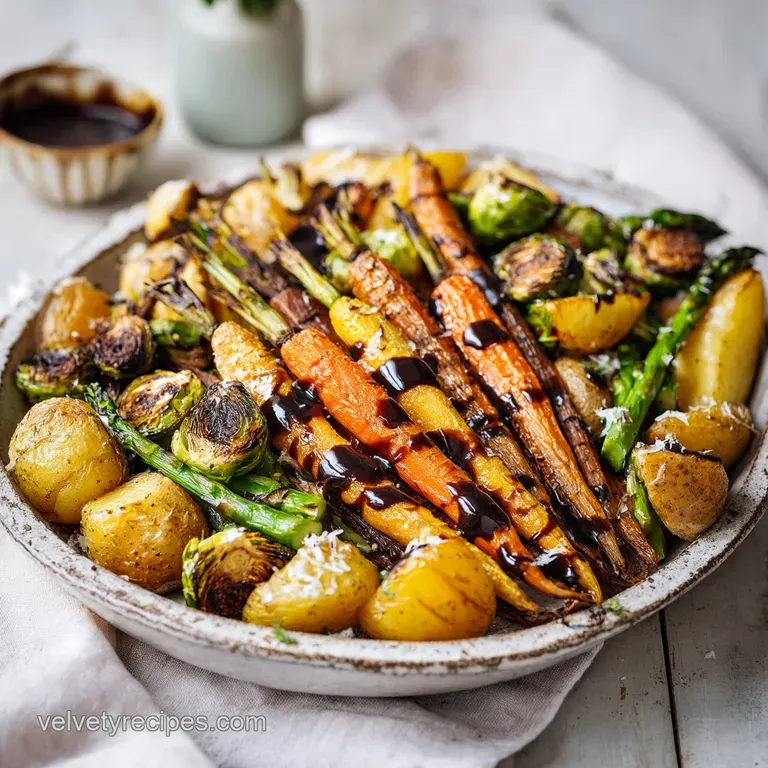
Roasting vegetables turns simple produce into a substantial side dish by concentrating natural flavors through high-heat caramelization. This method works for busy weeknights when you need a hands-off approach that still delivers a satisfying texture.
Whether you are prepping roasted root vegetables for a holiday meal or tossing green vegetables for a quick dinner, these techniques ensure your oven results are consistently golden. The key is managing moisture and heat to avoid the sogginess that often occurs with lower temperatures.
Root vegetables require higher heat and longer durations to soften their dense structures. These recipes focus on reaching a tender interior while maintaining a crisp outer edge through simple oil and seasoning combinations.
Staggered roasting times ensure the potatoes soften while the asparagus stays snappy. This one-pan method simplifies cleanup while delivering a complete side dish with minimal effort.
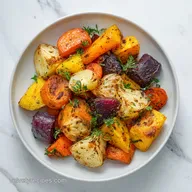
one-pan methodA balsamic glaze adds a sharp contrast to the earthy sweetness of carrots, parsnips, and beets. This substantial side dish pairs well with roasted meats or festive holiday dinners.
balsamic glazeGreen vegetables cook much faster than tubers and require careful timing to avoid over-browning. Using a high temperature for a shorter duration helps lock in color while adding a savory parmesan or garlic crunch.
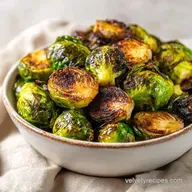
High heat produces caramelized leaves that offer a distinct nutty flavor and a light crunch. These sprouts provide a savory alternative to traditional steamed greens on weeknight tables.
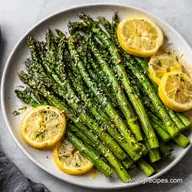
caramelized edgesFresh lemon juice and garlic cloves brighten this classic side, making it a quick addition to any protein. The high-heat roasting keeps the spears vibrant and tender-crisp.
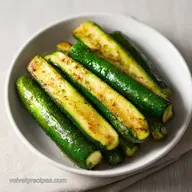
garlic lemon sauceSliced zucchini rounds get a savory boost from parmesan cheese, creating a golden crust in under half an hour. It is a lighter option that still provides plenty of crunch.
parmesan crust| # | Recipes | Best For | Time | Difficulty |
|---|---|---|---|---|
| 1 | OnePan Garlic Potatoes and Asparagus | sheet pan convenience | Time varies | Easy |
| 2 | Roasted Root Vegetables with Balsamic Glaze | holiday side dish | Time varies | Easy |
| 3 | Roasted Brussels Sprouts | crispy texture | 40 min | Beginner |
| 4 | Roasted Garlic Lemon Asparagus | quick weeknight side | 17 min | Easy |
| 5 | Roasted Zucchini with Parmesan | low-carb meal prep | 25 min | Beginner |
Discover more curated recipe collections
Explore more recipe collections →