Ground Beef Gravy Mashed Potatoes
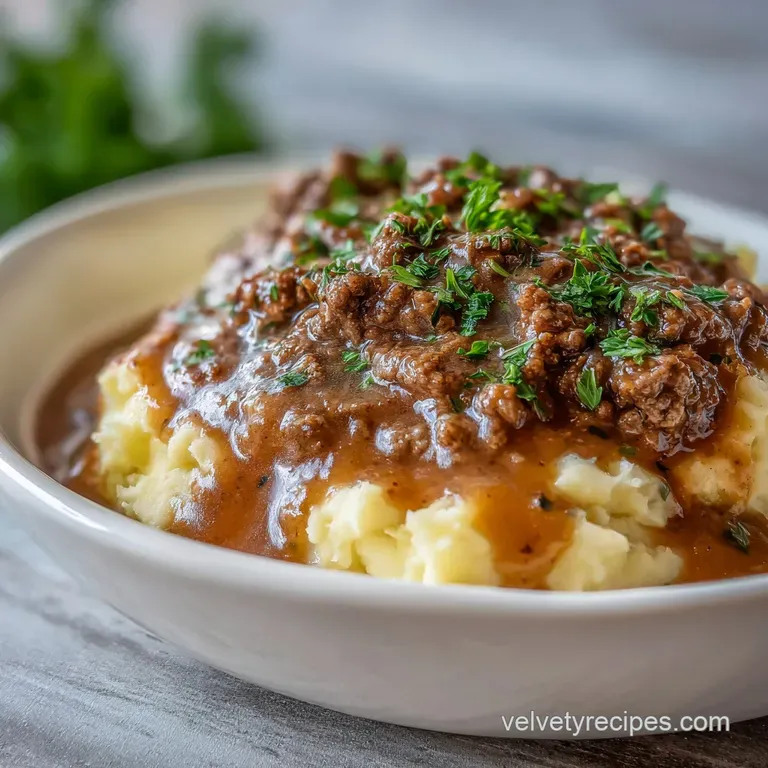
- Time: Active 15 minutes, Passive 20 minutes, Total 35 minutes
- Flavor/Texture Hook: Savory, mahogany rich gravy served over cloud like, buttery potatoes
- Perfect for: Stressful weeknights or a cozy Sunday family dinner
- Effortless Ground Beef Gravy Mashed Potatoes Recipe
- Why This Hearty Comfort Meal Works
- Essential Stats and Recipe Time Metrics
- Selecting Your Ingredients for Rich Flavor
- Necessary Kitchen Gear for Smooth Results
- Simple Steps to Create This Savory Meal
- Fixing Common Cooking Mistakes and Disasters
- Creative Twists for Your Comfort Food
- Best Storage and Reheating Tips
- Side Dishes to Complete Your Meal
- High in Sodium
- Recipe FAQs
- 📝 Recipe Card
Effortless Ground Beef Gravy Mashed Potatoes Recipe
There is a specific sound that defines a good kitchen afternoon the aggressive sizzle of cold ground beef hitting a hot cast iron skillet. It's a sharp, crackling noise that quickly gives way to the deep, nutty aroma of browning meat and softening onions.
I remember making this for the first time on a Tuesday when the rain was lashing against the windows and the fridge was looking particularly bleak. I had a pound of beef, a bag of potatoes, and a craving for something that didn't come out of a cardboard box.
What started as a "clear out the pantry" meal turned into the dish my family asks for every single week. It isn’t just about filling a plate; it’s about that specific moment when the mahogany gravy pools into the little crater you’ve carved into your potatoes.
That first bite, where the silky mash meets the salt and thyme punch of the beef, is pure nostalgia. We’ve all had those dry, lumpy versions at school cafeterias, but this homemade version is a different beast entirely. It’s hearty, honest, and million dollar flavor without the price tag.
You won't find any thin, watery sauces here. We are going for a gravy so thick it clings to the back of a spoon and potatoes that feel like velvet on the tongue. By the time the garlic hits the beef fat and starts to perfume the entire house, you'll realize why this humble combination has survived for generations.
It’s the ultimate comfort meal, stripped of pretense and packed with savory satisfaction.
Why This Hearty Comfort Meal Works
- Maillard Magic: over High heat browning of the ground beef creates complex sulfur compounds that provide the savory backbone of the entire dish.
- Starch Gelatinization: Starting potatoes in cold water ensures the starch granules swell evenly, preventing a grainy or mealy finish.
- Fat to Flour Equilibrium: Utilizing the rendered beef fat to toast the flour creates a stable roux that prevents the gravy from breaking or becoming oily.
- Amylopectin Control: Using Yukon Golds, which are medium starch potatoes, offers the best balance between fluffiness and creaminess without the gluey risk of waxier varieties.
| Cooking Method | Total Time | Texture Profile | Best Used For |
|---|---|---|---|
| Stovetop | 35 minutes | Velvety sauce, fluffy mash | Quick weeknight efficiency |
| Oven Finish | 50 minutes | Crispy edges, dense center | Casserole style family service |
| Slow Cooker | 4 hours | Deeply tender, infused flavor | Hands off meal preparation |
Similar to the technique I use in my Mushroom Swiss Meatloaf recipe, the key here is building layers of flavor starting with the meat's own juices. By letting the beef brown thoroughly before adding the liquids, we ensure the gravy has a natural, dark color without needing artificial browning agents.
Essential Stats and Recipe Time Metrics
| Ingredient | Science Role | Pro Secret |
|---|---|---|
| Yukon Gold Potatoes | Medium Starch Content | Don't overwork them; use a ricer for a cloud like texture that never turns gummy. |
| Beef Bone Broth | Collagen & Umami | Use bone broth instead of standard stock for a silkier mouthfeel and deeper nutritional profile. |
| All Purpose Flour | Thickening Agent | Toast the flour in the beef fat until it smells like popcorn to remove the raw cereal taste. |
| Worcestershire Sauce | Acid & Fermentation | This provides the "hidden" tang that cuts through the heavy fat of the beef and butter. |
When you are aiming for a result that tastes like it took hours, the quality of your broth matters more than you might think. Bone broth contains natural gelatin which gives the gravy a glossy sheen that standard store-bought stock simply can't replicate.
It's a small swap that makes the final dish feel significantly more luxurious.
Selecting Your Ingredients for Rich Flavor
- 2 lbs Yukon Gold potatoes: Peel and cube these into 1 inch pieces. Why this? Yukon Golds provide a naturally buttery flavor and superior creamy texture.
- Substitute: Russet potatoes for a fluffier, more absorbent mash.
- 1 lb lean ground beef (90/10): This ratio provides enough fat for the roux without being greasy. Why this? Lean beef ensures the gravy remains stable and doesn't separate.
- Substitute: Ground turkey or plant based crumbles for a lighter alternative.
- 2 cups beef bone broth: This is the liquid base for our savory sauce. Why this? High collagen content creates a velvety finish in the sauce.
- Substitute: Beef bouillon dissolved in water (though flavor will be less intense).
- 4 tbsp unsalted butter: Softened at room temperature. Why this? Controlling the salt separately allows for better flavor balance.
- Substitute: Ghee or a high-quality margarine.
- 1 small yellow onion: Finely diced to melt into the gravy. Why this? Onions provide essential sweetness and foundational aromatics.
- Substitute: Shallots for a more delicate, garlicky profile.
- 1/4 cup all purpose flour: Used to thicken the gravy. Why this? Flour creates a more stable emulsion than cornstarch for milk based dishes.
- Substitute: Sweet rice flour for a gluten-free thickener.
- 1 tbsp Worcestershire sauce: The ultimate umami booster. Why this? The vinegar and anchovy notes brighten the heavy beef flavors.
- Substitute: Soy sauce mixed with a drop of lemon juice.
- 1/2 cup whole milk: Warmed before adding to potatoes. Why this? Warm liquid integrates into the starch without shocking it into a gummy mess.
- Substitute: Heavy cream for an even more decadent experience.
Chef's Tip: Freeze your butter for 10 minutes then grate it into the hot potatoes. The tiny shreds melt instantly and evenly, ensuring every spoonful of mash is consistently buttery.
Necessary Kitchen Gear for Smooth Results
To get that restaurant quality finish, you really need a few specific tools. While a fork can mash a potato, it won't give you that airy, whipped consistency we’re after. I highly recommend using a potato ricer if you have one; it’s the secret to lump free potatoes because it breaks the starch down without activating the gluten like properties that make potatoes sticky.
You'll also want a heavy bottomed skillet cast iron or stainless steel is best for the beef. These materials hold heat better than thin non stick pans, which means you’ll get a better sear on the meat rather than just steaming it in its own juices.
A sturdy whisk is also non negotiable for the gravy to ensure that the flour and broth become one smooth, glossy unit.
Simple Steps to Create This Savory Meal
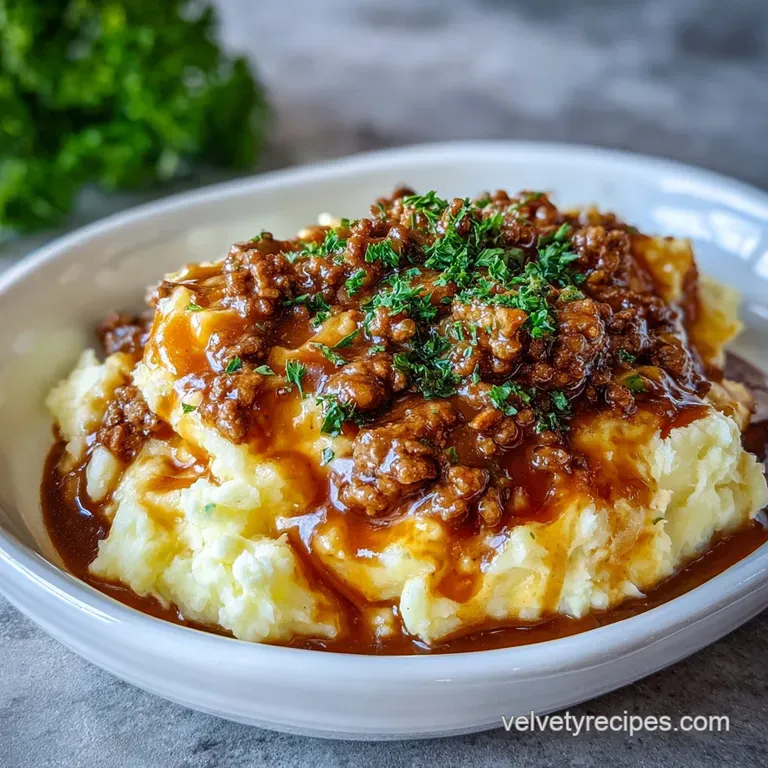
Phase 1: Preparing the Clouds
- Boil potatoes. Place the 2 lbs of cubed Yukon Gold potatoes in a large pot and cover with cold water. Note: Starting with cold water ensures the outside doesn't turn to mush before the inside is cooked.
- Simmer gently. Cook for 15 minutes until a fork slides in and out with zero resistance.
- Drain and dry. Drain the potatoes and return them to the hot pot for 1 minute. Note: This evaporates excess moisture, preventing watery mashed potatoes.
- Mash and incorporate. Add 4 tbsp butter and 1/2 cup warmed milk. Mash until the texture is velvety and no lumps remain. Season with 1 tsp sea salt and 1/2 tsp white pepper.
Phase 2: Building the Mahogany Base
- Brown the beef. In a large skillet over medium high heat, add the 1 lb ground beef. Cook for 6 minutes until the meat is browned and the sizzle becomes sharp.
- Sauté aromatics. Add the diced onion and 2 cloves minced garlic to the beef fat. Cook for 4 minutes until the onions are translucent and fragrant.
- Create the roux. Sprinkle 1/4 cup flour over the meat mixture. Stir constantly for 2 minutes until the flour smells toasted and nutty.
- Deglaze the pan. Slowly pour in 2 cups beef bone broth while whisking. Note: Adding liquid slowly prevents flour clumps from forming.
- Simmer the gravy. Stir in 1 tbsp Worcestershire sauce and 1 tsp dried thyme. Simmer for 5 minutes until the sauce thickens and coats a spoon.
- Combine and serve. Taste and adjust with salt and black pepper. Spoon the hot gravy over generous mounds of the mashed potatoes.
Fixing Common Cooking Mistakes and Disasters
One of the most heart breaking things that can happen in the kitchen is working hard on a meal only for the potatoes to turn into a bowl of wallpaper paste. This usually happens because the potatoes were overworked or boiled too aggressively.
If your potatoes feel "stretchy," you've unfortunately released too much starch. You can try to save them by folding in a bit more melted butter, but the best fix is prevention.
Another common hurdle is the "gray gravy" syndrome. If your gravy looks pale and unappetizing, it’s likely because the beef wasn't browned enough or the flour didn't toast long enough in the fat. A quick fix is a dash of soy sauce or coffee yes, coffee!
A teaspoon of leftover morning brew adds a dark color and a bitter depth that mimics long simmered beef.
To Salvage Thin Gravy
If your gravy is too watery after simmering, don't just dump more flour in; you'll get lumps. Instead, mix a teaspoon of cornstarch with a tablespoon of cold water (a slurry) and whisk it into the boiling gravy. It will tighten up in seconds without changing the flavor profile significantly.
| Problem | Root Cause | Solution |
|---|---|---|
| Gummy Potatoes | Over mashing or using a food processor | Use a hand masher or ricer; never use a blender. |
| Lumpy Gravy | Adding liquid too fast to the roux | Whisk vigorously while adding broth in 1/4 cup increments. |
| Salty Sauce | Over reduction of broth | Add a splash of water or a pinch of sugar to balance. |
Common Mistakes Checklist:
- ✓ Never start potatoes in boiling water (prevents uneven cooking)
- ✓ Don't drain the beef fat entirely (you need it to cook the flour)
- ✓ Warm your milk and butter before adding to potatoes (prevents "shocking" the starch)
- ✓ Use white pepper in potatoes for a clean look without black specks
- ✓ Let the gravy simmer for at least 5 minutes to cook out the raw flour taste
Creative Twists for Your Comfort Food
If you want to take this Noodles Romanoff Baked recipe to the next level, consider adding a handful of frozen peas or sautéed mushrooms to the gravy in the last few minutes. It adds a pop of color and a different texture that breaks up the richness. For a "Shepherd's Pie" vibe without the baking time, you can even stir some shredded cheddar cheese directly into the potatoes while they are still hot.
| Original Ingredient | Substitute | Why It Works |
|---|---|---|
| Ground Beef | Ground Lamb | Adds a gamey, rich flavor. Note: Increase thyme to balance the fat. |
| Whole Milk | Sour Cream | Adds a sharp tang and thicker body to the potatoes. |
| Beef Broth | Red Wine (1/2 cup) + Broth | Adds acidity and a deep, burgundy color to the sauce. |
For a nutrient dense twist, try swapping half of the potatoes for steamed cauliflower. When mashed together with the Yukon Golds, the flavor is almost indistinguishable, but you get a lighter result that feels a bit less heavy for a weekday lunch. If you're looking for a different starch altogether, this gravy is also incredible when served over a Noodles Romanoff Baked recipe.
Best Storage and Reheating Tips
Storage: This dish keeps beautifully in the fridge for up to 4 days. I actually think the gravy tastes better on day two because the thyme and garlic have more time to infuse into the beef fat.
Keep the potatoes and gravy in separate airtight containers if possible; it makes reheating much easier and prevents the potatoes from soaking up all the sauce.
Freezing: You can freeze the gravy for up to 3 months in a freezer safe bag. Mashed potatoes also freeze well, provided they have enough fat (butter/milk) in them. To reheat, thaw in the fridge overnight.
When reheating the potatoes, you might need to whisk in an extra tablespoon of milk to restore that velvety texture, as the freezing process can sometimes make them look a bit grainy.
Zero Waste: Don't throw away those potato peels! Toss them with a little olive oil, salt, and rosemary, then roast them at 400°F until they are "shatter" crispy. They make a fantastic snack while you're waiting for the main meal to finish.
Any leftover gravy can be used as a base for a quick vegetable soup the next day just add water and some chopped carrots.
Side Dishes to Complete Your Meal
While this is a complete meal on its own, adding something bright and acidic helps cut through the heavy savory notes. A simple side of roasted green beans with lemon zest or a crisp garden salad with a sharp vinaigrette works wonders. The goal is to provide a contrast to the soft, rich textures of the beef and mash.
If you are serving this for a crowd, it pairs perfectly with my Loaded Bacon Cheese Fries recipe as a side if you're really leaning into the comfort food theme. Otherwise, a simple crusty baguette is essential for swiping up every last drop of that mahogany gravy from the bottom of the bowl.
Debunking Kitchen Myths
One huge misconception is that you need to peel potatoes perfectly before boiling. In reality, leaving a bit of skin on adds rustic texture and extra potassium. Another myth is that you must sear beef in oil; if you are using 90/10 beef, the natural fat will render out within 60 seconds, providing all the lubrication the pan needs.
Finally, don't believe the idea that gravy needs cream to be rich a well made roux with bone broth creates a much deeper flavor profile without the "muted" taste that heavy cream can sometimes cause.

High in Sodium
940 mg mg of sodium per serving (41% % of daily value)
The American Heart Association recommends limiting sodium intake to about 2,300mg per day.
Sodium Reduction Tips for Shepherd's Pie
-
Low-Sodium Broth-30%
Switch to a low-sodium or no-salt added beef broth. This simple swap can significantly cut down the sodium content.
-
Reduce Added Salt-25%
Eliminate the added salt from the recipe. Taste the dish before adding any extra; you might not need it. Consider reducing or eliminating the sea salt.
-
Unsalted Ground Beef-10%
Ensure your ground beef is fresh and hasn't been pre-seasoned with salt. Check the label to confirm no added salt.
-
Low-Sodium Worcestershire-20%
Use a low-sodium Worcestershire sauce, or reduce the amount used. Alternatively, explore other flavor enhancers.
-
Herbs & Spices
Enhance flavors with sodium free herbs and spices! Increase the thyme, garlic, and black pepper to boost taste without adding sodium.
Recipe FAQs
Can you use beef gravy on mashed potatoes?
Yes, absolutely; it is the classic pairing. The richness of beef gravy provides the necessary moisture and savory depth to complement the fluffy texture of mashed potatoes.
What is the 3 2 1 rule for gravy?
The 3-2-1 rule is a common ratio for a basic white or cream gravy. It typically refers to 3 parts liquid, 2 parts thickener (like flour or cornstarch), and 1 part fat, though this ratio is often adjusted for savory meat gravies like this one.
What exactly are cowboy potatoes?
Cowboy potatoes generally refer to a hearty, rustic preparation, often incorporating meat and cheese. This ground beef gravy served over mash shares the same spirit of being a complete, one-dish meal built around savory potatoes and beef.
Can I cook ground beef and potatoes together?
No, you should cook them separately for the best texture. Potatoes require moist, gentle heat to become creamy, while ground beef needs high, dry heat to brown properly and release flavorful fats for the gravy.
How do I prevent my gravy from becoming lumpy?
Whisk the flour into the hot fat (roux) and then slowly whisk in the cold broth. Ensure your broth is cooler than the roux, or add the hot liquid to the cool roux very gradually while whisking constantly.
Is it true that I must use Russet potatoes for good gravy compatibility?
No, this is a common misconception, especially with thick, beef based gravies. Yukon Golds are recommended here because their medium starch content creates a naturally buttery, creamy base that holds up well against heavy sauce without becoming gluey.
How long should I toast the flour for the gravy base?
Toast the flour in the rendered beef fat for 2 minutes until it smells distinctly nutty, like popcorn. This step is crucial for cooking out the raw, pasty taste of the starch before adding any liquid.
Beef Gravy Mashed Potatoes
Ingredients:
Instructions:
Nutrition Facts:
| Calories | 541 calories |
|---|---|
| Protein | 27g |
| Fat | 21g |
| Carbs | 48g |
| Fiber | 4g |
| Sugar | 4g |
| Sodium | 940mg |
