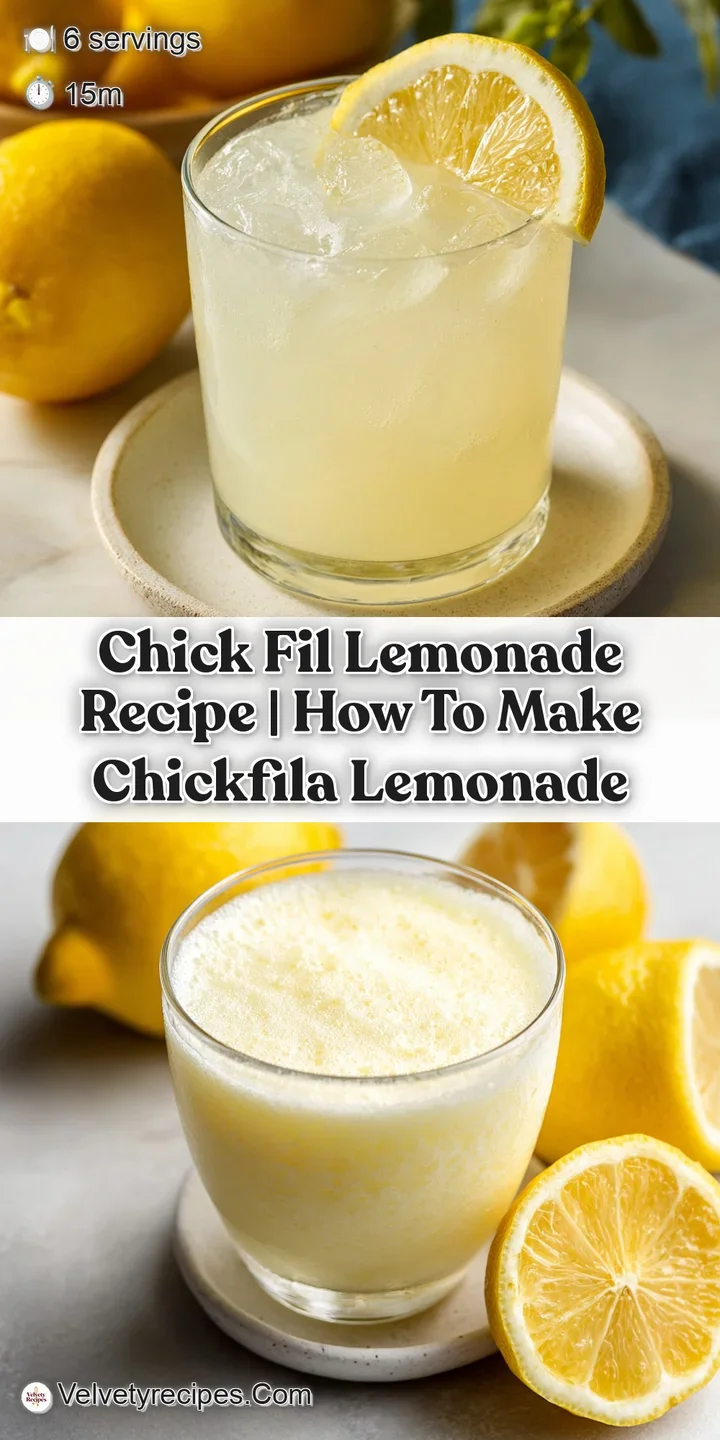
Chick Fil Lemonade Recipe
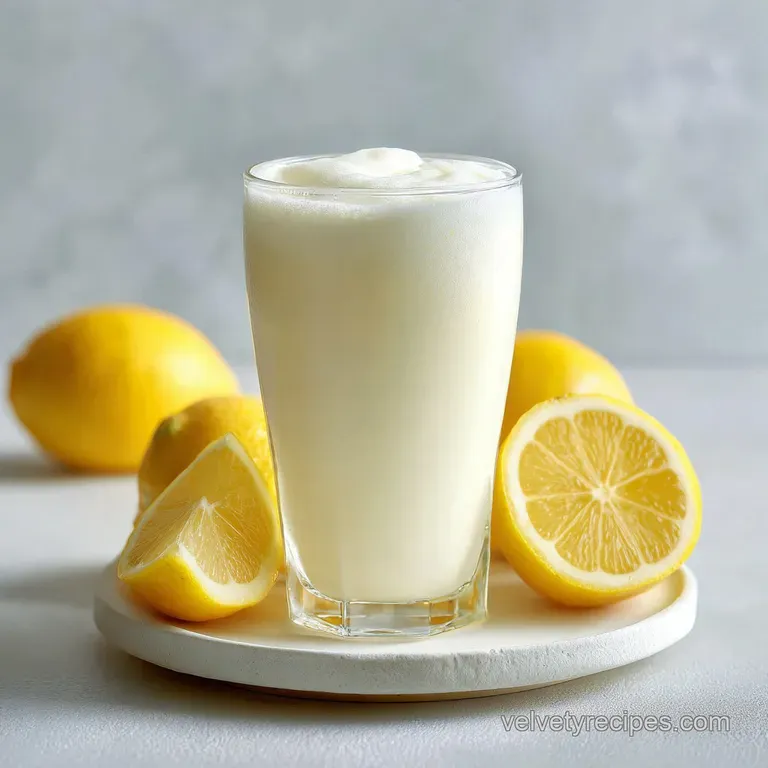
- Time: Active 15 minutes, Passive 0 minutes, Total 15 minutes
- Flavor/Texture Hook: Vibrant, tart, and velvety sweet
- Perfect for: Summer cookouts, backyard hangouts, or a quick afternoon pick me-up
- Unlocking the Vibrant Secrets of a Lemonade Recipe Chick Fil
- Measuring the Balance for Refreshing Results
- Selecting the Elements for a Velvety Flavor Profile
- Essential Tools for Achieving the Right Zest
- The Process for Crafting This Iconic Drink
- Solving Texture and Balance Issues Naturally
- Adapting the Base for Different Taste Profiles
- Maintaining Freshness and Vibrant Citrus Notes
- Finding the Best Pairings for Summer Refreshment
- Recipe FAQs
- 📝 Recipe Card
Unlocking the Vibrant Secrets of a Lemonade Recipe Chick Fil
I still remember the first time I tried to recreate this in my own kitchen. It was a Tuesday in July, the kind of day where the air feels like a damp wool blanket. I was desperate for that specific, puckery zing that you usually only get from a drive thru.
I started by boiling a simple syrup, thinking that was the "chef" way to do it. Big mistake. The heat dulled the lemons and made the whole thing taste like a melted lollipop rather than a refreshing citrus blast.
The secret, I eventually learned, isn't about fancy techniques. It's about the contrast between the sharp acidity and the raw sweetness of the sugar. When you get it right, the drink doesn't just sit on your tongue; it sparkles. It has this velvety mouthfeel that only comes from real, freshly squeezed juice.
It took me three batches of "lemon water" to realize that I was being too timid with the sugar. Once I leaned into the ratio, everything clicked.
We've all been there, staring at a pile of squeezed rinds wondering why it doesn't taste like the "real deal." Trust me on this: the magic is in the simplicity. You don't need a stove, and you certainly don't need store-bought concentrate. You just need a bit of elbow grease and the right order of operations.
Let's get into how we can turn three basic items into a drink that actually rivals the original.
Measuring the Balance for Refreshing Results
Acidity Control: Fresh lemon juice contains citric acid that provides the sharp "bite." If you use bottled juice, you lose the bright enzymes that create that refreshing, clean finish.
Sugar Suspension: In this recipe, we don't cook the sugar. Instead, we rely on the mechanical action of stirring it directly into the lemon juice. This creates a more vibrant, "raw" sweetness that contrasts beautifully with the tartness.
Dilution Factor: Using cold filtered water is essential. The minerals in tap water can sometimes clash with the citrus oils, making the drink taste metallic rather than bright.
| Method | Time | Texture | Best For |
|---|---|---|---|
| Cold Stir | 15 minutes | Vibrant, raw, slightly textured | Authentic flavor seekers |
| Simple Syrup | 25 minutes | Smooth, heavy, very sweet | People who hate sugar sediment |
| Blender Method | 5 minutes | Frothy, light, aerated | Quick fixes or "frosted" vibes |
This cold stir method is the one used in the famous restaurants because it maintains the integrity of the fruit. If you prefer a more complex citrus profile, you might want to try incorporating different herbs, similar to how we use them in our Green Tea Lemon recipe.
Selecting the Elements for a Velvety Flavor Profile
| Ingredient | Science Role | Pro Secret |
|---|---|---|
| Lemon Juice | Acidulant | Room temp lemons give 20% more juice than cold ones |
| Granulated Sugar | Sweetener & Body | Stirring into juice first creates a stable suspension |
| Filtered Water | Solvent | Cold water prevents the citrus oils from oxidizing quickly |
To make this recipe chick fil fans would recognize, you need to be specific about your lemons. Sunkist lemons are often the gold standard here, but any heavy, thin skinned lemon will work beautifully.
- 1.5 cups freshly squeezed lemon juice: Why this? Provides the essential sharp acidity and authentic citrus oils.
- Substitute: 1.5 cups of Meyer lemon juice for a sweeter, floral twist.
- 1.5 cups granulated white sugar: Why this? Standard sugar provides the necessary body and classic sweetness.
- Substitute: 1.5 cups of superfine sugar for faster dissolving.
- 6 cups cold filtered water: Why this? The precise volume needed to balance the 1:1 juice to sugar ratio.
- Substitute: 6 cups of sparkling water for a fizzy, cocktail style version.
- 2 fresh lemons, sliced for garnish: Why this? Adds visual appeal and extra zest aroma.
- 4 cups crushed ice: Why this? Chills the drink rapidly and provides the classic texture.
Essential Tools for Achieving the Right Zest
You don't need a high end lab to make this, but a few specific tools make the process much smoother. First and foremost, a citrus juicer is your best friend. Doing this by hand is possible, but you'll likely miss out on about a third of the juice trapped in the pulp.
A handheld squeezer works, but a tabletop lever style press is a game changer if you're making a big batch.
A fine mesh strainer is also non negotiable. Nothing ruins a velvety sip faster than a stray lemon seed or a giant hunk of bitter pith. I usually strain the juice twice: once directly out of the juicer and again when I'm pouring the final mixture into the pitcher. Finally, get a long handled spoon or a whisk.
Since we aren't melting the sugar with heat, you’ll need to put a little muscle into the stirring to make sure those granules don't just sit at the bottom.
Chef's Tip: Freeze your lemon slices on a parchment lined tray before adding them to the pitcher. They act as "ice cubes" that won't dilute your drink as they melt!
The Process for Crafting This Iconic Drink
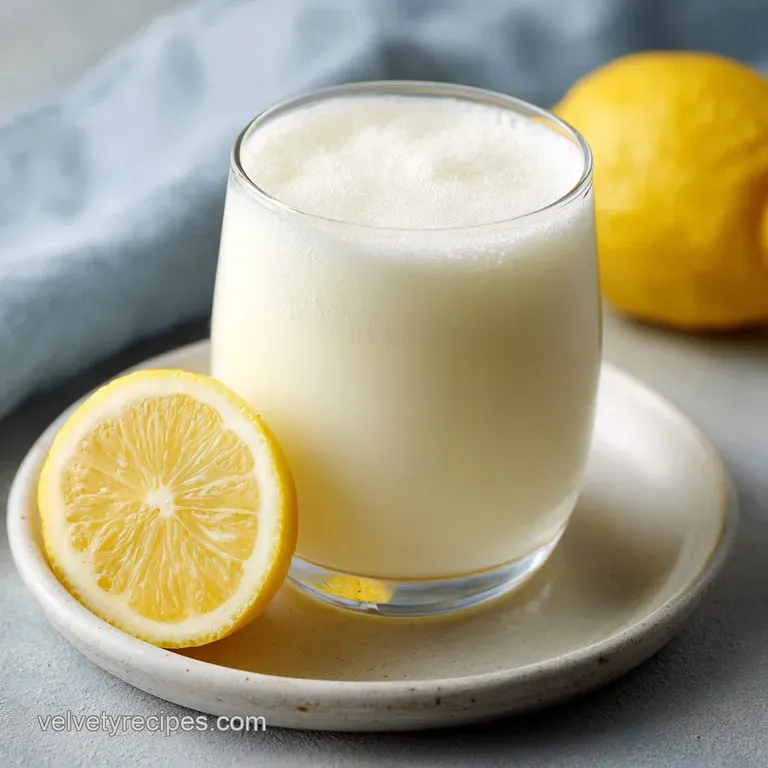
- Prep the lemons. Roll your lemons on the counter using firm pressure from your palm for 30 seconds. Note: This breaks the internal membranes to release more juice.
- Extract the juice. Squeeze enough lemons to yield exactly 1.5 cups of juice until the rinds are completely hollow.
- Filter the liquid. Pour the juice through a fine mesh strainer into a large pitcher. Note: This removes seeds and excess pulp for a smoother texture.
- Incorporate the sugar. Add 1.5 cups of granulated white sugar directly into the lemon juice.
- Stir the concentrate. Use a whisk to stir the juice and sugar for at least 2 minutes until the mixture looks cloudy and thick.
- Add the water. Pour in 6 cups of cold filtered water while stirring continuously.
- Temper the flavors. Continue stirring for another minute to ensure the sugar is fully suspended.
- Add the ice. Dump in 4 cups of crushed ice to chill the mixture immediately.
- Garnish and serve. Drop in your lemon slices and stir once more until the pitcher feels frosty to the touch.
This process ensures that the sugar is properly distributed. It creates a drink that is remarkably similar to the Chick fil-A Lemonade recipe we all love.
Solving Texture and Balance Issues Naturally
One of the biggest hurdles when making this lemonade recipe chick fil style is the grit. Because we aren't using heat, the sugar takes longer to dissolve. If you find yourself with a pile of sand at the bottom of your glass, you likely added the water too soon.
The sugar needs that concentrated acidity of the pure juice to begin breaking down.
Why Is My Lemonade Bitter?
If your drink has a harsh, medicinal aftertaste, you might be squeezing the lemons too hard. When you press into the white pith (that spongy layer between the fruit and the skin) or the peel itself, you release bitter oils and tannins.
Why Did the Sugar Settle at the Bottom?
This is usually a temperature or timing issue. Cold water makes it harder for sugar to dissolve. Always mix the sugar into the room temperature juice first. If you've already added the water, just keep stirring it will eventually dissolve, it just takes more patience.
| Problem | Root Cause | Solution |
|---|---|---|
| Grit at the bottom | Sugar added to cold water | Mix sugar with juice first at room temperature |
| Muted lemon flavor | Bottled juice or too much ice | Use fresh lemons and add ice just before serving |
| Tastes like "medicine" | Over squeezing the pith | Stop squeezing once the resistance increases |
Common Mistakes Checklist
- ✓ Never use bottled "lemon juice" from a plastic squeeze bottle.
- ✓ Don't skip the "rolling" step; it's the difference between 10 lemons and 15 lemons.
- ✓ Avoid tap water if it has a strong chlorine smell or taste.
- ✓ Stir the juice and sugar for a full 2 minutes before adding water.
- ✓ Use crushed ice rather than large cubes for the authentic texture.
Adapting the Base for Different Taste Profiles
If you want to scale this down for a solo treat, it's pretty simple. For a single glass, use 1/4 cup of juice, 1/4 cup of sugar, and 1 cup of water. It’s the same ratio, just miniaturized. If you are making a massive batch for a party, remember that sugar doesn't always scale linearly.
I usually start with 1.5 times the sugar for a double batch and taste as I go you can always add more, but you can't take it out.
The Benefits of Cold Stirring Over Syrups
Traditional lemonade recipes often call for a simple syrup. While this guarantees no grit, it changes the flavor profile. Heating sugar and water creates a "cooked" taste that lacks the sharp, vibrant edge of the original chick fil version. Cold stirring keeps the citrus notes high and bright.
Achieving the Perfect Diet Balance
To make the "diet" version, you can swap the granulated sugar for a stevia based sweetener or Splenda. However, be careful with the ratios. Most sugar alternatives are much sweeter than real sugar, so start with half the amount and work your way up.
| Original Ingredient | Substitute | Why It Works |
|---|---|---|
| White Sugar (1.5 cups) | Splenda (1.5 cups) | Provides sweetness without the calories. Note: Lacks the "syrupy" body of real sugar |
| Lemon Juice (1.5 cups) | Lime Juice (1.5 cups) | Changes the flavor to a tart limeade. Note: Much sharper and more acidic |
Maintaining Freshness and Vibrant Citrus Notes
This drink is at its peak the moment it's made, but it will keep in the fridge for about 3 to 4 days. After that, the lemon juice starts to lose its vibrant sparkle and can take on a slightly "off" fermented flavor. If you find yourself with leftovers, don't let them go to waste.
You can pour the lemonade into popsicle molds for a refreshing frozen treat.
For zero waste fans, those leftover lemon rinds are gold. I like to toss them into a jar with some white vinegar to make a natural, citrus scented cleaner. Or, you can zest the lemons before juicing them and freeze the zest for future use in recipes like my Rosemary Lemon Roasted recipe.
Chef's Tip: If your lemonade has been sitting in the fridge, the sugar might settle slightly. Always give it a vigorous stir before pouring a new glass to redistribute the velvety sweetness.
Finding the Best Pairings for Summer Refreshment
Because this lemonade is so high in acid and sugar, it acts as a fantastic palate cleanser. It’s the ultimate partner for salty, fried foods. Think about the classic pairing: a crispy chicken sandwich. The tartness of the drink cuts right through the richness of the breading and the fat.
It also pairs beautifully with light, summer salads that feature feta or goat cheese. The sweetness of the drink balances the saltiness of the cheese perfectly. If you're hosting a brunch, try serving it alongside a savory quiche. The contrast between the egg rich dish and the bright citrus is incredibly satisfying.
Debunking the Boiling Water Myth
Many people believe you must use boiling water to dissolve sugar for lemonade. While it’s faster, the heat actually alters the molecular structure of the lemon juice, destroying the vitamin C and the fresh aroma. Stick to the cold stir method for the most authentic flavor.
The Truth About Meyer Lemons
Some claim Meyer lemons make a better lemonade. While they are velvety and delicious, they aren't "authentic" for this specific recipe. Meyer lemons are a cross between a lemon and a mandarin orange, so they lack the high acid punch required for that signature drive thru flavor.
Use standard Eureka or Lisbon lemons for the best results.
Right then, you're ready to squeeze! This drink is all about the joy of simple ingredients done right. It's vibrant, it's refreshing, and once you nail that sugar to juice ratio, you'll never go back to the bottled stuff again. Let's crack on and get those lemons rolling!
Recipe FAQs
How do they make Chick fil-A lemonade?
By cold stirring a simple mix of three ingredients. They combine freshly squeezed lemon juice, sugar, and cold filtered water without heating the mixture, which preserves the bright, volatile citrus oils that define the taste.
What kind of lemonade does Chick fil-A use?
They use fresh lemon juice mixed with sugar and water. The key is that the sugar is dissolved by stirring it directly into the concentrated juice before diluting it, ensuring a vibrant, unheated sweetness.
Why does Chick fil-A lemonade taste different?
The difference lies in the lack of heat processing. By avoiding boiling water or cooking a simple syrup, the volatile esters in the fresh lemon peel and juice remain intact, providing a sharper, cleaner finish than standard homemade versions.
How is Chick fil-A lemonade so good?
It achieves perfect balance between intense tartness and raw sweetness. This balance is created by immediately stirring the granulated sugar into the pure lemon concentrate before adding water, which you can practice when mastering sauces like in our Crispy Bang Bang recipe.
Can I substitute bottled lemon juice to save time?
No, bottled juice will result in a flat, dull flavor. Bottled juice has lost the enzymes that provide the signature bright acidity, so you must use freshly squeezed lemons to replicate that perfect zing.
How should I stir the sugar into the concentrate?
Whisk the sugar vigorously into the pure lemon juice for at least two minutes. You must stir until the mixture is thick and cloudy, ensuring the sugar granules are fully suspended before the cold water is introduced to prevent settling.
Is it true that this recipe pairs best with fried chicken?
Yes, the high acidity cuts through richness beautifully. The bright tartness cleanses the palate, making it an excellent counterpoint to salty or fried dishes, much like a refreshing acidic sauce pairs well with our Baked Ricotta Chicken recipe.
Chick Fil Lemonade Recipe
Ingredients:
Instructions:
Nutrition Facts:
| Calories | 207 calories |
|---|---|
| Protein | 0.2 g |
| Fat | 0.2 g |
| Carbs | 54.2 g |
| Fiber | 0.1 g |
| Sugar | 51.5 g |
| Sodium | 1 mg |
