Cowboy Butter Chicken: Zesty and Velvety
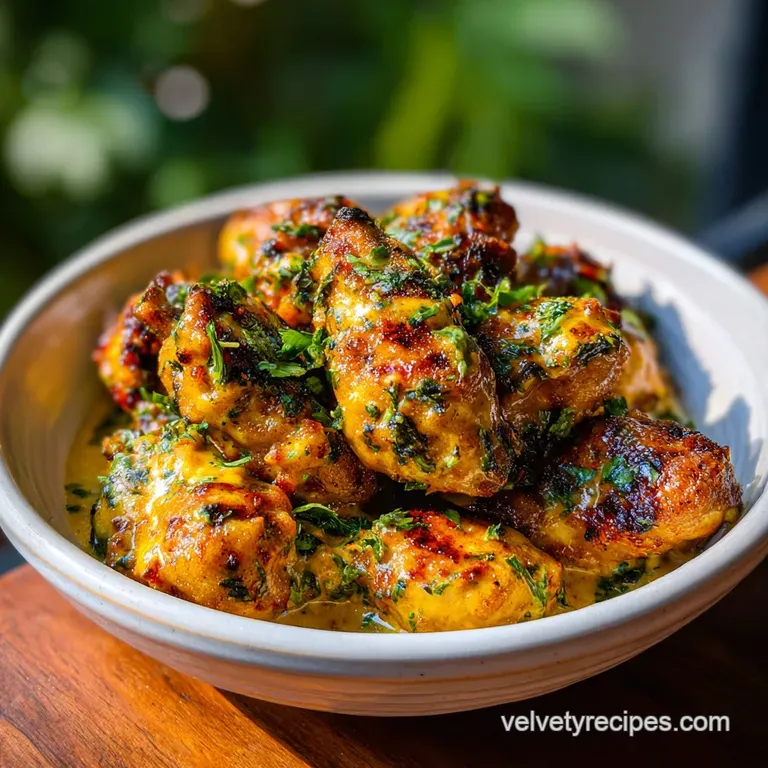
- Time: Active 10 minutes, Passive 10 minutes, Total 20 minutes
- Flavor/Texture Hook: Zesty, garlicky, and velvety with a spicy Cajun kick
- Perfect for: Busy weeknight dinners or a high protein meal prep
- The Culinary Logic Behind This Cowboy Butter Chicken
- Essential Metrics for Your Cowboy Butter Chicken Prep
- A Close Look at Our Star Flavor Components
- Ingredients & Substitutes
- Tools Required for a Flawless Kitchen Experience
- How to Execute the Perfect Cowboy Butter Chicken
- Avoiding Common Stumbles with Your Butter Glaze
- Creative Ways to Spin Your Chicken Bites
- Storing and Reviving Your Flavorful Chicken Leftovers
- Serving Your Chicken with True Cowboy Flair
- Debunking Common Kitchen Myths
- Recipe FAQs
- 📝 Recipe Card
The Culinary Logic Behind This Cowboy Butter Chicken
The first time I made this Cowboy Butter Chicken, the kitchen smelled so good my neighbor actually knocked on the door to ask what was happening. I remember the specific hiss of the chicken hitting the hot avocado oil, that sharp, promising sound that tells you a good crust is forming.
I had spent all day running errands and wanted something that felt like a million dollars but took less time than a commercial break.
We have all been there, staring at a pack of chicken breasts and feeling completely uninspired. This dish changed that for me. It is not just about the heat, it is about how the cold butter hits the warm pan and creates this glossy, emulsified coating that clings to the meat.
You get the brightness of the lemon, the earthy punch of the Dijon, and that lingering warmth from the red pepper flakes.
It is a hearty meal that feels intentional rather than rushed. When you bite into a piece, you get that initial snap from the sear, followed by the richness of the butter sauce. It is the kind of cooking that reminds you why you fell in love with making food at home in the first place.
No fancy equipment is needed, just a good heavy pan and the willingness to let things sizzle.
The Physics of the Emulsified Glaze
Surface Tension Control: The Dijon mustard acts as a natural emulsifier, binding the fat from the butter with the acidity of the lemon juice. This prevents the sauce from breaking into a greasy mess and ensures a velvety coating on every piece of chicken.
| Thickness | Internal Temp | Rest Time | Visual Cue |
|---|---|---|---|
| 1 inch cubes | 165°F (74°C) | 2 minutes | Opaque center, juices run clear |
| 1.5 inch cubes | 165°F (74°C) | 3 minutes | Firm to the touch, no pink |
| Strips | 165°F (74°C) | 2 minutes | Golden edges, white throughout |
Finding the right balance between a hard sear and a juicy interior is the secret to getting this right every single time. If you cut the chicken too small, they will overcook before the butter even has a chance to melt. Keeping them at a consistent 1 inch size allows the outside to brown while the inside stays tender.
Essential Metrics for Your Cowboy Butter Chicken Prep
When we talk about preparation, it is really about the flow of the kitchen. You want everything chopped and ready before the heat even touches the pan. This is especially true for Cowboy Butter Chicken because once that butter starts to foam, things move fast.
I usually set out my "mise en place" in little bowls, which makes me feel like a professional chef even if I am just in my pajamas.
The timing is critical here. You are looking for a total cook time of about 10 minutes. If you go much longer, the chicken breast starts to lose its moisture and becomes cardboard like. We want to avoid that at all costs.
The goal is a golden brown exterior and a succulent, soft interior that carries the flavor of the garlic and herbs.
A Close Look at Our Star Flavor Components
The ingredients in this dish are doing a lot of heavy lifting. We are using avocado oil for the sear because it has a high smoke point, meaning it won't burn and turn bitter while we are trying to get that color on the chicken.
Then we transition to butter for the flavor, which is a classic French technique brought to the ranch.
| Ingredient | Science Role | Pro Secret |
|---|---|---|
| Unsalted Butter | Fat & Flavor | Use cold cubes to slow down the melting process for a thicker sauce |
| Dijon Mustard | Emulsifier | Choose stone ground for a rustic texture and deeper tang |
| Lemon Juice | Acid Catalyst | Brightens the fats and tenderizes the protein fibers |
| Smoked Paprika | Color & Depth | Provides an "outdoor grill" flavor without using a flame |
The interaction between the stone ground Dijon and the butter is what makes this Cowboy Butter Chicken stand out. The mustard adds a tiny bit of grit and a whole lot of personality, cutting through the richness of the dairy. It is much more complex than using plain yellow mustard, so try not to skip that specific type.
Ingredients & Substitutes
For this recipe, we are using 1.5 lbs chicken breast, cubed into 1 inch pieces. This is our foundation, providing a lean protein that acts as a canvas for the bold butter. If you are looking for a more decadent version, you could swap this for chicken thighs, though they will require an extra 2 to 3 minutes of cook time to render the fat properly.
- 1.5 lbs chicken breast: Cubed into 1 inch pieces. Why this? Lean protein that sears quickly while remaining tender. (Substitute: Boneless chicken thighs)
- 1 tbsp avocado oil: For over high heat searing. Why this? High smoke point prevents the oil from breaking down. (Substitute: Grapeseed oil)
- 1 tsp smoked paprika: For color and smokiness. Why this? Adds depth without needing a barbecue. (Substitute: Liquid smoke - use sparingly)
- 1 tsp kosher salt: For seasoning. Why this? Larger crystals make it harder to over salt. (Substitute: Sea salt)
- 4 tbsp unsalted butter: The base of the sauce. Why this? Allows you to control the total saltiness. (Substitute: Ghee)
- 1 tbsp stone ground Dijon mustard: For emulsification and tang. Why this? Keeps the sauce from separating. (Substitute: Spicy brown mustard)
- 2 cloves garlic: Minced into a paste. Why this? Paste melts into the butter for better distribution. (Substitute: Garlic powder - 0.5 tsp)
- 1 tbsp fresh lemon juice: For acidity. Why this? Cuts through the heavy butter flavor. (Substitute: Apple cider vinegar)
- 0.5 tsp lemon zest: For aromatic oils. Why this? Provides a more intense citrus scent than juice alone. (Substitute: Lime zest)
- 2 tbsp fresh parsley and chives: Finely minced. Why this? Adds freshness and a pop of green color. (Substitute: Dried herbs - use 1 tsp)
- 0.5 tsp red pepper flakes: For heat. Why this? Provides a controllable, localized spice. (Substitute: Cayenne pepper)
- 1 tsp low sodium Cajun seasoning: Optional flavor boost. Why this? Adds complexity with celery salt and onion powder notes. (Substitute: Creole seasoning)
If you love a good buttery sauce, this technique is quite similar to the one used in my Creamy Garlic Butter recipe. The main difference here is the "Cowboy" element, which brings in the mustard and the extra punch of spice that you wouldn't find in a traditional garlic butter sauce.
| Original Ingredient | Substitute | Why It Works |
|---|---|---|
| Avocado Oil | Ghee | Both have high smoke points and won't burn at high temperatures |
| Lemon Juice | White Wine | Adds acidity and a sophisticated floral note to the butter |
| Fresh Chives | Green Onion Tops | Similar mild onion flavor with a bright green visual |
Tools Required for a Flawless Kitchen Experience
You do not need a kitchen full of gadgets for this, but a few specific tools make the job much easier. A cast iron skillet is my top choice here because it holds heat like nothing else. When you drop that chicken in, the pan temperature doesn't plummet, which means you get a better sear and less "steaming."
If you don't have cast iron, a heavy bottomed stainless steel pan works too. Just avoid thin non stick pans if you can, as they often don't get hot enough to create that mahogany crust we are looking for. You will also want a microplane or a very fine grater for the garlic.
Turning the garlic into a paste is a tiny trick that makes a massive difference - it disappears into the sauce so you don't get any harsh, crunchy bits of raw garlic.
How to Execute the Perfect Cowboy Butter Chicken
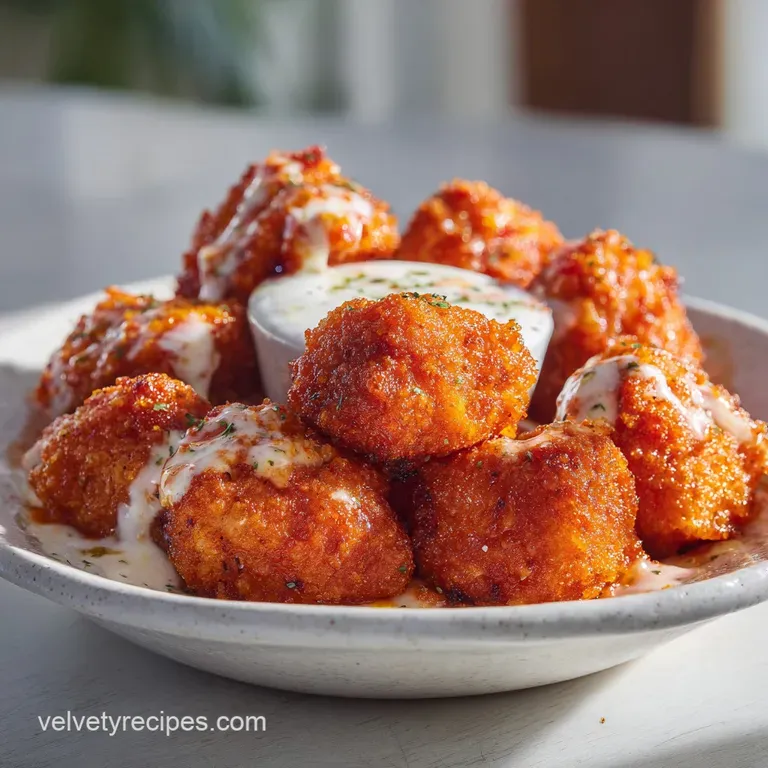
- Prep the chicken. Pat the 1.5 lbs chicken breast completely dry with paper towels. Note: Excess moisture causes steaming instead of searing.
- Season well. Toss the cubes with 1 tsp smoked paprika and 1 tsp kosher salt until evenly coated.
- Heat the pan. Add 1 tbsp avocado oil to a large skillet over medium high heat until the oil shimmers and barely wisps smoke.
- Sear the protein. Add the chicken in a single layer and cook for 3 to 4 minutes until a deep golden crust forms on the bottom.
- Flip and finish. Turn the pieces and cook for another 3 minutes until the chicken is firm and opaque.
- Lower the heat. Reduce the flame to medium low and push the chicken to the sides of the pan.
- Build the base. Add the 4 tbsp unsalted butter and 2 cloves of garlic paste to the center. Note: This prevents the garlic from burning in the residual high heat.
- Incorporate the flavors. Stir in 1 tbsp Dijon mustard, 1 tbsp lemon juice, 0.5 tsp red pepper flakes, and the optional 1 tsp Cajun seasoning.
- Glaze the chicken. Toss the chicken back into the center and coat thoroughly until the sauce is glossy and thick.
- Final touch. Remove from heat and stir in 2 tbsp fresh parsley, chives, and 0.5 tsp lemon zest until the aroma fills the room.
Chef's Tip: If the sauce looks like it is separating or looks "broken," add a teaspoon of water and whisk vigorously. The water helps re bind the fats and proteins for a silky finish.
Avoiding Common Stumbles with Your Butter Glaze
The most common mistake people make with Cowboy Butter Chicken is burning the garlic or the butter. Butter has a low smoke point because of the milk solids. This is why we sear the chicken in avocado oil first, then bring the butter in at the end once the pan has cooled slightly.
It is a layering process that protects the flavor.
Another thing to watch for is overcrowding. If you put too much chicken in the pan at once, the temperature drops and the chicken starts to boil in its own juices. You want space between the pieces so the moisture can evaporate, allowing the Maillard reaction to work its magic.
Why Your Chicken is Tough
If your chicken feels rubbery or dry, it is almost always a result of overcooking. Chicken breast is very unforgiving. Once it hits that 165°F (74°C) mark, it loses moisture rapidly.
I always pull mine off the heat at 162°F (72°C) because the carryover heat will finish the job while I am adding the butter and herbs.
| Problem | Root Cause | Solution |
|---|---|---|
| Broken Sauce | Heat too high or not enough mustard | Add 1 tsp warm water and whisk off the heat |
| Gray Chicken | Overcrowded pan | Cook in two batches to maintain high surface heat |
| Bitter Garlic | Burned during the butter melt | Add garlic only after the butter has finished foaming |
Common Mistakes Checklist
- ✓ Skipping the paper towel step (wet chicken won't brown).
- ✓ Adding the lemon juice too early (it can toughen the meat if cooked too long).
- ✓ Using "old" dried herbs instead of fresh (fresh herbs are vital for the finish).
- ✓ Not scraping the "fond" (the brown bits) off the bottom of the pan while melting the butter.
- ✓ Cutting the chicken into uneven sizes, leading to some pieces being dry and others raw.
Creative Ways to Spin Your Chicken Bites
While the standard version is fantastic, I often tweak this based on what is in my pantry. If I am in the mood for something with a bit more of a kick, I will double the Cajun seasoning and add a splash of hot sauce. It gives it a "Buffalo" vibe without the heavy vinegar of traditional wing sauce.
For a more Mediterranean twist, you can swap the Cajun seasoning for dried oregano and add some chopped sun dried tomatoes during the butter melting phase. This version pairs perfectly with a side of pasta or a crusty piece of bread to soak up the leftover sauce. If you want to keep the theme going for side dishes, this pairs beautifully with my Buttery Biscuits Recipe.
For a Quick Weeknight Shortcut
- Use pre minced garlic from a jar if you are in a massive rush, though fresh is always better.
- Swap the individual spices for a pre mixed "Steak Seasoning" for a different but equally hearty profile.
- Use a bag of frozen "seasoning blend" (onions and peppers) to add more bulk to the dish without extra chopping.
| Premium | Budget | Flavor Impact | Savings |
|---|---|---|---|
| Fresh Chives | Dried Chives | Less "bite" but still provides the herbal note | Save $2-3 |
| Avocado Oil | Canola Oil | Neutral flavor but loses the healthy fats | Save $5 |
| Stone Ground Dijon | Yellow Mustard | Sharper, less complex tang | Save $1 |
Storing and Reviving Your Flavorful Chicken Leftovers
If you happen to have leftovers, they store quite well, though the butter will solidify in the fridge. This actually helps protect the chicken from drying out. I recommend keeping it in an airtight glass container for up to 3 days.
When you go to reheat it, do not use the microwave on high power; it will turn the chicken into rubber.
Instead, reheat it in a small skillet over low heat. Add a tiny splash of water or chicken broth to help loosen the butter and create a fresh sauce. This gentle approach keeps the chicken tender. You can also freeze this for up to 2 months.
To reheat from frozen, let it thaw in the fridge overnight before following the skillet method.
For a zero waste tip, don't throw away those lemon rinds after you have zested and juiced them. Put them in a jar with some white vinegar for two weeks to make a natural, citrus scented kitchen cleaner. Also, if you have herb stems left over from the parsley and chives, throw them into a freezer bag. When the bag is full, you can use them to make a really aromatic chicken stock for your next Ground Beef Gravy recipe.
Serving Your Chicken with True Cowboy Flair
Presentation is about making the dish look as good as it tastes. Since this is a rustic, hearty meal, I like to serve it straight out of the cast iron skillet. There is something very satisfying about the "sizzle" continuing as the pan hits the table.
Top it with an extra sprinkle of fresh chives right before serving to give it that bright, professional finish.
If you are plating it individually, I suggest serving the chicken over a bed of mashed potatoes or rice. The starch will catch all that extra Cowboy Butter, ensuring not a single drop of that liquid gold goes to waste.
A few lemon wedges on the side add a nice visual pop and allow people to add more acidity if they want to brighten up their portion.
Debunking Common Kitchen Myths
One big myth is that you must marinate chicken for hours to get flavor. With a sauce as potent as Cowboy Butter, you don't need a marinade. The butter glaze is so high in fat and seasoning that it coats the meat and provides an immediate flavor punch. This makes it the ultimate last minute meal.
Another misconception is that searing "seals in the juices." Science shows that moisture loss happens regardless of searing. However, searing creates the Maillard reaction, which develops hundreds of new flavor compounds. So, while you aren't "sealing" anything, you are definitely making it taste significantly better.
Finally, don't believe that you can't use butter for over high heat cooking. You can, as long as you use it as a finishing fat rather than the primary cooking medium. This allows you to get the flavor of the butter without the bitterness of burnt milk solids.
Recipe FAQs
Can I substitute chicken thighs for breasts in this recipe?
Yes, but adjust your timing. Chicken thighs are fattier and require an extra two to three minutes on the heat to render the fat properly.
How do I prevent the garlic from burning when I add it to the butter?
Reduce the heat significantly before adding the aromatics. Sear the chicken first, push it to the sides of the pan, and then melt the butter in the cooler center before tossing everything together.
Is it true that searing the chicken locks in all the internal juices?
No, this is a common misconception. Searing develops flavor through the Maillard reaction; moisture loss occurs regardless, but the flavor compounds created make the dish taste much better.
What is the purpose of the Dijon mustard in the Cowboy Butter sauce?
The Dijon acts as an emulsifier to stabilize the sauce. It binds the lemon juice (acid) and the butter (fat) together, preventing the sauce from separating into greasy layers.
How long must the chicken be cooked to reach safe temperature?
Cook until the internal temperature reaches 165°F (74°C). I recommend pulling it off the heat around 162°F, as the carryover heat will complete the cooking process while the sauce finishes.
How should I store leftovers to maintain tenderness?
Store leftovers airtight and reheat gently on the stovetop. Add a splash of broth when reheating over low heat; this gentle method prevents the rapid moisture loss associated with microwaving chicken.
What should I serve with this rich, zesty chicken?
Serve it over a neutral starch to absorb the sauce. This pairs wonderfully with creamy mashed potatoes or simple white rice, allowing the buttery flavor to shine; if you enjoy rich sides, consider pairing it with our Noodles Romanoff Baked recipe.
Cowboy Butter Chicken Bites
Ingredients:
Instructions:
Nutrition Facts:
| Calories | 344 calories |
|---|---|
| Protein | 39.2 g |
| Fat | 19.5 g |
| Carbs | 1.3 g |
| Fiber | 0.5 g |
| Sugar | 0.2 g |
| Sodium | 675 mg |
