Creamy Garlic Butter Chicken: Pan-Seared Perfection
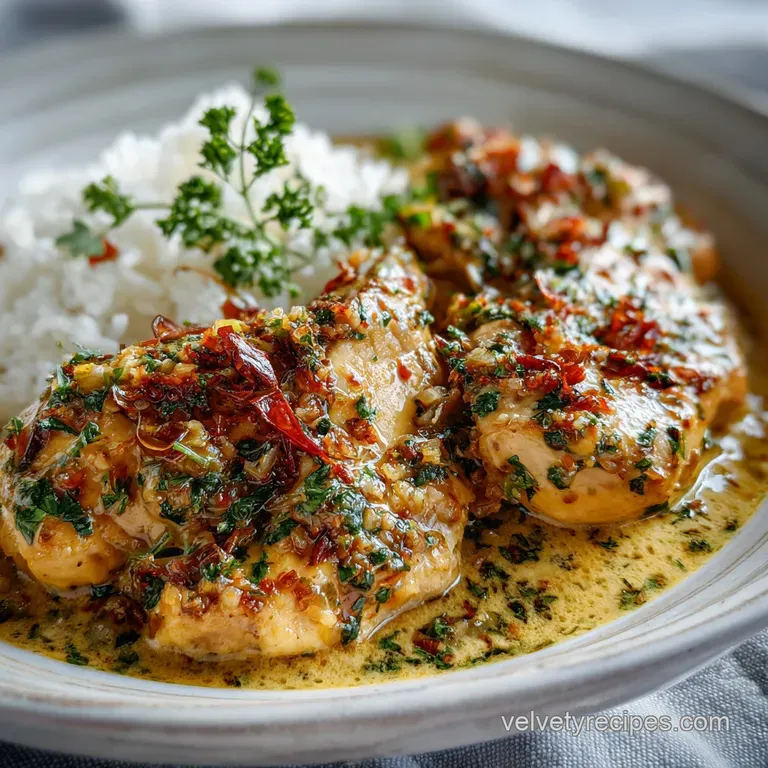
- Time: Active 10 minutes, Passive 20 minutes, Total 30 minutes
- Flavor/Texture Hook: Velvety garlic cream with a golden brown sear
- Perfect for: Busy weeknight dinners or a quick date night meal
- The Secret to This Creamy Garlic Butter Chicken
- Quick Cooking Specs and Efficiency Stats
- Gathering the Fresh Ingredients for Success
- Tools You Actually Need to Start
- Step-By-Step Guide to Pan Searing Success
- Troubleshooting Your Pan Sauce and Chicken
- Customizing Your Garlic Butter Chicken Flavors
- Storing Leftovers and Using Every Scrap
- Side Dish Inspiration for Chicken Dinners
- Recipe FAQs
- 📝 Recipe Card
The Secret to This Creamy Garlic Butter Chicken
The moment those six cloves of minced garlic hit the shimmering butter in the pan, my entire kitchen transforms. I remember the first time I attempted this; I was a nervous home cook trying to impress my family, and I nearly burnt the garlic.
But when I finally got it right - that golden sizzle followed by the velvety swirl of heavy cream - it felt like I’d stumbled onto a million dollars.
There is something deeply comforting about the way the sauce clings to the chicken. It’s not just a meal; it's the kind of hearty dish that makes you want to scrape the pan clean with a piece of crusty bread.
We aren't just making dinner here, we're building a layer of flavor that feels sophisticated but takes less than 30 minutes to pull together.
You'll love how the light flour coating on the chicken acts like a sponge for the sauce. It creates this subtle, soft "shatter" when you first bite in, followed immediately by the punch of fresh garlic and the bright zing of lemon.
It’s simple, reliable, and honestly, better than most takeout you'll find on a Tuesday night.
The Physics of the Emulsified Pan Sauce
The secret lies in the cold butter added at the very end, which creates a stable emulsion with the chicken broth and cream. This prevents the sauce from becoming greasy and ensures a glossy, thick consistency that coats the back of a spoon.
- Maillard Reaction: Searing the chicken at a high temp creates complex sugars that deepen the savory profile.
- Starch Suspension: The 2 tbsp of flour creates a roux like effect when mixed with the fats, thickening the liquid naturally.
- Acid Balance: Lemon juice breaks through the heavy fats of the cream and butter, brightening the entire flavor profile.
- Fat Stabilization: Using cold butter cubes at the finish slows down the melting process, helping the fat disperse evenly into the sauce.
| Thickness | Internal Temp | Rest Time | Visual Cue |
|---|---|---|---|
| 1/2 inch | 165°F | 3 mins | Juices run clear, no pink center |
| 3/4 inch | 165°F | 5 mins | Firm to the touch, golden crust |
| 1 inch | 165°F | 6 mins | Opaque throughout, deep mahogany sear |
Getting the temperature right is the difference between juicy poultry and something that feels like cardboard. I always pull my chicken just a few degrees early because the carryover heat finishes the job while the meat rests.
Quick Cooking Specs and Efficiency Stats
When you're a busy home cook, every minute counts. This recipe is designed to be lean on tools but heavy on results. We’re using a single large skillet to keep the cleanup minimal, which is a total win in my book.
The chicken breasts are sliced thin, which is my favorite shortcut because it cuts the cooking time in half and ensures the meat stays tender.
Component Analysis
| Ingredient | Science Role | Pro Secret |
|---|---|---|
| Flour | Surface Area | Use a fine mesh sieve for an even, light dusting |
| Garlic | Aromatics | Mince by hand for oils that stand up to high heat |
| Bone Broth | Umami Base | Use low sodium to control the seasoning precisely |
| Lemon Juice | Surfactant | Add it last to keep the citrus notes sharp and fresh |
By understanding how these pieces fit together, you can troubleshoot on the fly. For example, if the sauce looks too thin, the starch in the flour hasn't had enough time to hydrate and swell. Give it an extra minute of simmering, and you'll see the magic happen.
Gathering the Fresh Ingredients for Success
You don't need a massive pantry to make this happen. Just a few high-quality staples and you're ready to go. I always suggest using fresh garlic over the jarred stuff because the flavor is night and day.
- 1.5 lbs chicken breast: Sliced into thin cutlets Why this? Ensures fast, even cooking without drying out the edges.
- Substitute: Chicken thighs (boneless) for a richer, juicier bite.
- 1 tsp sea salt: Fine grain Why this? Dissolves quickly into the meat fibers for better seasoning.
- Substitute: Kosher salt (use 1.5 tsp for same saltiness).
- 0.5 tsp cracked black pepper: Freshly ground Why this? Provides a sharp, floral heat that pre ground pepper lacks.
- Substitute: White pepper for a more subtle, earthy heat.
- 1 tbsp olive oil: Standard grade Why this? Has a high enough smoke point for a solid sear.
- Substitute: Avocado oil or Grapeseed oil.
- 2 tbsp all purpose flour: Plain Why this? Creates the foundation for the sauce's thick, velvety texture.
- Substitute: Cornstarch (use 1 tbsp) for a gluten-free option.
- 6 cloves garlic: Minced Why this? The aromatic heart of the dish; don't skimp here!
- Substitute: 1.5 tsp garlic powder in a pinch (but fresh is king).
- 0.5 cup low sodium chicken bone broth: Why this? Adds depth and protein without excess saltiness.
- Substitute: Dry white wine (like Pinot Grigio) for a French twist.
- 0.5 cup light cream: Or half and half Why this? Provides richness without the heavy calorie load of heavy cream.
- Substitute: Full fat coconut milk for a dairy-free alternative.
- 2 tbsp cold unsalted butter: Cubed Why this? Mounts the sauce at the end for a glossy finish.
- Substitute: Ghee or a high-quality vegan butter stick.
- 1 tsp fresh lemon juice: Why this? Cuts through the fat and wakes up the garlic.
- Substitute: Apple cider vinegar for a similar acidic punch.
- 1 tbsp fresh Italian parsley: Chopped Why this? Adds a pop of color and a grassy freshness.
- Substitute: Fresh basil or chives for a different herbal note.
Tools You Actually Need to Start
You really don't need much to get this on the table. A heavy bottomed skillet is your best friend here. I personally love using a 12 inch cast iron or a high-quality stainless steel pan. These materials hold heat exceptionally well, which is vital for getting that golden crust on the chicken.
Beyond the pan, a good pair of tongs and a sharp knife are all you need. If you're feeling fancy, a microplane is great for the garlic, but a standard knife works just as well. This is low fuss cooking at its finest. If you're looking for something to serve alongside this, it pairs beautifully with the Noodles Romanoff Baked recipe for a full, comforting spread.
step-by-step Guide to Pan Searing Success
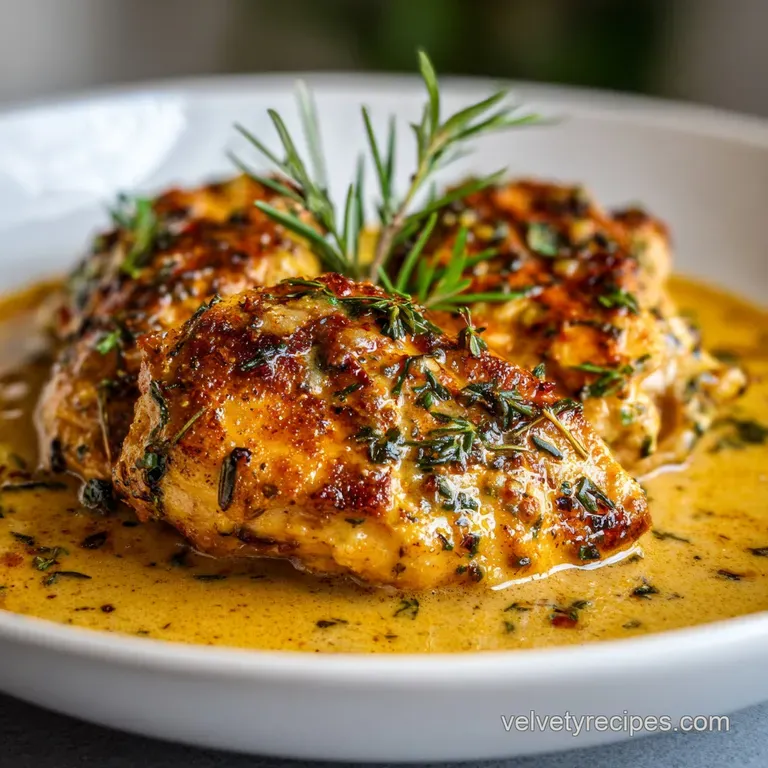
- Prep the chicken. Pat the 1.5 lbs of chicken breasts dry with paper towels. Note: Moisture is the enemy of a good sear; it causes steaming instead of browning.
- Season and coat. Sprinkle the sea salt and cracked black pepper over the chicken, then dredge lightly in the 2 tbsp of all purpose flour.
- Heat the pan. Add 1 tbsp olive oil to your skillet over medium high heat. Cook until the oil shimmers and a pinch of flour sizzles instantly.
- Sear the poultry. Place the chicken in the pan. Cook for 4-5 minutes per side until golden and the edges start to crisp.
- Rest the meat. Remove the chicken from the pan and set it aside on a plate. Note: This allows the juices to redistribute so they don't run out when you cut it.
- Sauté the aromatics. Lower the heat to medium and add the 6 cloves of minced garlic. Sauté for 1 minute until fragrant and pale gold.
- Deglaze. Pour in the 0.5 cup chicken bone broth. Scrape the bottom of the pan with a wooden spoon to release the brown bits.
- Whisk the cream. Stir in the 0.5 cup light cream and let it simmer for 2-3 minutes. Wait until the sauce begins to thicken and bubble gently.
- Finish the sauce. Whisk in the 2 tbsp cold cubed butter and 1 tsp lemon juice. Whisk until the butter is fully melted and the sauce looks glossy.
- Combine and garnish. Return the chicken to the pan, spooning the sauce over it. Sprinkle with 1 tbsp fresh Italian parsley.
Chef's Tip: Freeze your butter for 10 minutes before cubing it. Adding ice cold butter to a hot sauce creates a much more stable emulsion, giving you that professional, velvety finish every time.
Troubleshooting Your Pan Sauce and Chicken
Why Your Sauce Separated
Sometimes the fat in the cream or butter can break away from the liquid, leaving you with an oily mess. This usually happens if the heat is too high when you add the dairy.
| Problem | Root Cause | Solution |
|---|---|---|
| Broken Sauce | Heat was too high during the butter addition | Remove from heat and whisk in a splash of cold cream |
| Bitter Garlic | Garlic was sautéed for too long or at too high a temp | Start over or add a pinch of sugar to mask bitterness |
| Tough Chicken | Overcooked or heat was too low (steaming) | Use a meat thermometer and ensure the pan is hot before adding meat |
Maintaining control over your burner is the most important skill for this dish. If things start looking too frantic in the pan, don't be afraid to slide it off the heat for thirty seconds to let everything calm down.
Common Mistakes Checklist
- ✓ Pat the chicken completely dry before dredging (prevents a gummy coating).
- ✓ Don't overcrowd the pan; sear in two batches if your skillet is small.
- ✓ Use cold butter for the finish; it makes the sauce much thicker and shinier.
- ✓ Don't skip the deglazing step; those brown bits are where all the flavor lives.
- ✓ Add the lemon juice at the very end to keep the acidity bright.
How Do I Prevent the Sauce from Breaking?
The key is temperature management. Never let the sauce come to a rolling boil once the cream and butter are in. You want a gentle simmer. If you see large, aggressive bubbles, your heat is too high. A slow, rhythmic bubble is the sweet spot for a stable, creamy texture.
Customizing Your Garlic Butter Chicken Flavors
Smart Scaling for Any Crowds
If you're cooking for a larger group, don't just double everything blindly. When doubling the recipe (8 servings), use 1.5x the salt and spices first, then adjust at the end. For the liquids, you might only need about 1.8x the amount, as evaporation rates change in larger pans.
When scaling down for two people, you can still use a whole egg to bind the flour if you like a thicker crust, but just using the flour dredge as written works perfectly for half portions. Reduce the simmering time by about 20% since smaller volumes of liquid reduce faster.
| Original Ingredient | Substitute | Why It Works |
|---|---|---|
| Light Cream | Full fat Coconut Milk | Similar fat content. Note: Adds a slight tropical note to the dish. |
| All purpose Flour | Almond Flour | High fat content creates a rich crust. Note: Denser and won't thicken the sauce as much. |
| Chicken Broth | Dry White Wine | High acidity. Note: Brightens the sauce significantly but lacks the protein depth. |
Debunking Common Searing and Butter Myths
Many people think that searing the chicken "seals in the juices." In reality, searing is all about the Maillard reaction the chemical reaction between amino acids and reducing sugars that gives browned food its distinctive flavor.
Moisture loss happens regardless of the sear, so don't rely on it to keep the meat juicy; rely on your thermometer!
Another myth is that you can't use salted butter. While unsalted gives you total control, you can absolutely use salted butter. Just pull back on the sea salt when seasoning the chicken to keep the balance right.
Storing Leftovers and Using Every Scrap
Storage Guidelines This Creamy Garlic Butter Chicken stays delicious in the fridge for up to 3 days. Store it in an airtight container with plenty of the sauce to keep the chicken from drying out. When reheating, I recommend doing it on the stove over low heat.
Add a splash of broth or water to loosen the sauce back up, as the starch will cause it to thicken significantly in the fridge.
Freezing Instructions You can freeze this for up to 2 months, but be warned: cream based sauces can sometimes change texture once thawed. If you plan to freeze it, I suggest freezing the seared chicken separately and making the sauce fresh when you're ready to eat.
Zero Waste Tips Don't throw away those parsley stems! Finely chop them and add them into the pan with the garlic for extra flavor. If you have leftover sauce but no chicken, it makes an incredible base for a quick pasta dish the next day.
Even the lemon rinds can be tossed into a jar of vinegar to make a natural kitchen cleaner.
Side Dish Inspiration for Chicken Dinners
This dish is a bit of a chameleon when it comes to pairings. Since the sauce is so rich and garlicky, I love serving it over something that can catch all that liquid gold. A bed of mashed potatoes or fluffy rice is the classic choice. If you're looking for something a bit more hearty on the side, a warm batch of Buttery Biscuits Recipe is perfect for mopping up every last drop of the garlic cream.
For a lighter option, try serving the chicken alongside roasted asparagus or a crisp green salad with a simple vinaigrette. The acidity in a salad helps balance the richness of the butter and cream.
If you're a pasta lover, tossing some fettuccine or linguine directly into the pan at the end turns this into an instant "creamy garlic butter chicken pasta" that feels like it came straight from an Italian bistro.
Decision Shortcut
- If you want a low carb meal, serve over zoodles or cauliflower rice.
- If you want a family feast, serve over a big bowl of buttered egg noodles.
- If you want a fancy dinner, serve with a side of sautéed mushrooms and a glass of chilled Chardonnay.
Whether you're making this for the first time or the fiftieth, the results are always the same: a satisfied family and a very clean skillet. Trust the process, keep your butter cold, and don't be afraid to get a little extra garlic on your hands!

Recipe FAQs
Can I substitute heavy cream for the light cream?
Yes, but reduce the simmering time. Heavy cream has a higher fat content, which means the sauce will thicken faster and might require less time to reduce properly.
What is the ideal internal temperature for the chicken?
165°F (74°C) is the target temperature. Pull the chicken from the heat when it reads 162°F, as carryover cooking will bring it to a safe 165°F while resting.
How do I ensure the garlic doesn't burn in the butter?
Lower the heat immediately after searing the chicken. Add the garlic only after the pan has cooled slightly from the searing temperature and sauté just until fragrant, about one minute.
Is it true that searing the chicken seals in all the juices?
No, this is a common misconception. Searing primarily develops flavor through the Maillard reaction; juiciness is determined by not overcooking the meat past 165°F.
How to achieve a glossy, non-greasy sauce finish?
Whisk in the cold butter cubes off the heat at the very end. This technique, called mounting the butter, creates a stable emulsion that prevents the fat from separating.
What should I do if my sauce looks too thin after adding the cream?
Simmer gently for a few more minutes until it reduces. The light flour coating on the chicken acts as a thickener, but it needs time to hydrate and swell fully to achieve the desired consistency.
How to quickly prepare chicken breast for this recipe?
Slice the chicken breasts horizontally into thin cutlets. This ensures they cook quickly and evenly in the hot pan, staying tender without needing a long rest period.
Creamy Garlic Butter Chicken
Ingredients:
Instructions:
Nutrition Facts:
| Calories | 424 kcal |
|---|---|
| Protein | 54 g |
| Fat | 19 g |
| Carbs | 6 g |
| Fiber | 0.5 g |
| Sugar | 1.5 g |
| Sodium | 620 mg |
