Dominican Yellow Rice Recipe
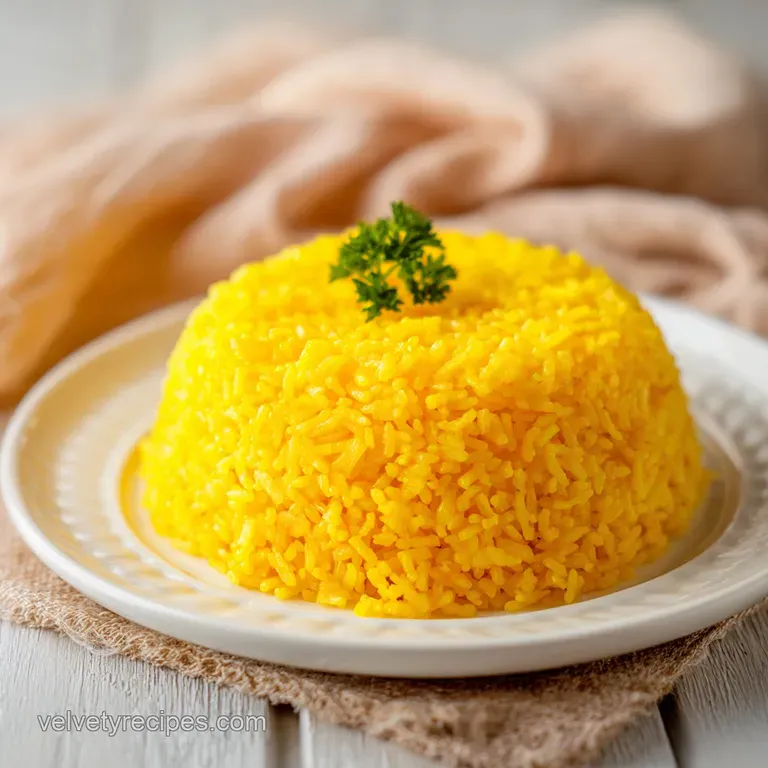
- Time: Active 10 minutes, Passive 25 minutes, Total 35 minutes
- Flavor/Texture Hook: Fluffy, savory grains with a hint of earthy oregano and a vibrant golden hue
- Perfect for: Weeknight family dinners or a hearty Caribbean style Sunday feast
- Master the Vibrant Flavors of Authentic Dominican Yellow Rice
- Essential Performance Metrics for Your Dominican Yellow Rice
- The Flavor Foundation for Every Arroz Amarillo Recipe
- Necessary Tools for a Seamless Kitchen Cooking Experience
- Step-by-Step Guide to Crafting the Ultimate Dominican Side
- Pro Techniques for Ensuring Every Single Grain Stays Fluffy
- Simple Ingredient Variations to Fit Your Kitchen Pantry Needs
- Preservation Methods for Keeping Leftovers Fresh and Tasty
- Finishing Touches to Complete Your Hearty Caribbean Family Meal
- Recipe FAQs
- 📝 Recipe Card
Master the Vibrant Flavors of Authentic Dominican Yellow Rice
There is a specific sound that defines my childhood Saturday afternoons the rhythmic clack clack clack of a wooden spoon hitting the side of a heavy aluminum caldero.
My aunt would stand over the stove, the kitchen windows fogging up from the steam, while the air filled with the scent of toasted oregano and sizzling garlic. I remember watching her drop a dollop of tomato paste into the shimmering oil, laughing as it hissed and sputtered, turning the oil a deep, sunset orange before the water even touched the pan.
That smell is home to me. It is the scent of anticipation. For a long time, I thought there was some mystical secret to getting that specific shade of gold and that perfectly fluffy texture without the grains clumping together into a sad, mushy mess.
I made plenty of mistakes too much water, not enough salt, or moving the rice around while it was trying to steam. But once I understood the logic of the sofrito, everything changed.
This Dominican Yellow Rice isn't just a side dish; it is the heartbeat of the meal, and I'm going to show you exactly how to nail it every single time.
We are going for a result that looks like a million dollars but costs pennies to make. You don't need fancy equipment, just a bit of patience and a heavy bottomed pot. By the time we’re done, you’ll have a pot of rice where every grain stands proud, coated in seasoned oil, and bursting with the flavors of the Caribbean.
It’s hearty, it’s comforting, and honestly, once you smell that garlic and sazón hitting the pan, you’ll never go back to the boxed stuff again.
Essential Performance Metrics for Your Dominican Yellow Rice
Cooking rice is often seen as a guessing game, but it’s actually a matter of thermodynamics and precise ratios. When we talk about this specific style of rice, we are looking for a "grananeado" finish meaning the grains are separate and distinct.
The Chemistry of the Crimson Sizzle
Lipid Infusion: Sautéing the aromatics in oil first allows the fat soluble compounds in the sazón and oregano to distribute evenly, coating every grain of rice to prevent sticking. This oil barrier ensures the starch doesn't turn the pot into a gummy paste during the simmering phase.
| Method | Cook Time | Texture Result | Best Application |
|---|---|---|---|
| Stovetop (Traditional) | 25 minutes | Fluffy with potential for "concón" (crispy bottom) | Traditional family meals where texture is priority |
| Oven Baked | 35 minutes | Uniformly tender but lacks the toasted bottom crust | Large batches for parties or meal prep |
| Rice Cooker | 20 minutes | Soft and consistent, though flavors can be more muted | Quick weeknight convenience without monitoring |
The stovetop method remains the gold standard for a hearty home cook because it allows you to control the "sizzle" at the beginning and the "steam" at the end. While the oven is great for hands off cooking, you lose that beautiful toasted aroma that comes from frying the rice grains in the seasoned oil before adding the liquid.
Trust me on this the extra five minutes of standing at the stove is worth the flavor payoff.
The Flavor Foundation for Every Arroz Amarillo Recipe
Every ingredient in this pot has a job to do. We aren't just tossing things in for the sake of it; we are building a structure of flavor. The red onion provides a sharp sweetness, the bell pepper adds a grassy brightness, and the garlic well, the garlic is the soul of the dish.
| Ingredient | Science Role | Pro Secret |
|---|---|---|
| Long grain Rice | Structural base with low amylopectin | Rinse until water is clear to remove surface starch for maximum fluffiness |
| Vegetable Oil | Heat conductor and anti stick agent | Use enough to fully coat the bottom; it creates the "concón" crust |
| Tomato Paste | Umami booster and natural thickener | Fry it in the oil for 60 seconds to remove the raw, metallic tinned taste |
| Sazón (Achiote) | Natural dye and savory seasoning | The achiote (annatto) provides the signature yellow orange color without staining |
Between choosing your ingredients and starting the heat, remember that the quality of your water matters too. If your tap water tastes heavily of chlorine, your rice will too. I always use filtered water to ensure the delicate notes of the Dominican oregano aren't overshadowed.
Necessary Tools for a Seamless Kitchen Cooking Experience
You don't need a pantry full of gadgets, but a couple of specific items will make your life much easier. First, if you can get your hands on a "caldero" (a traditional cast aluminum pot), do it.
It distributes heat evenly and is the secret to getting that crispy rice layer at the bottom that everyone fights over at the dinner table.
- Heavy bottomed Pot: A 3 quart Dutch oven or caldero is best for 5 servings.
- Pilón (Mortar and Pestle): For mashing the garlic into a paste with a pinch of salt.
- Fine mesh Strainer: Essential for rinsing the rice thoroughly.
- Wooden Spoon: Sturdy enough to scrape the bottom without scratching.
If you don't have a pilón, don't sweat it. You can use the side of a chef's knife to smash the garlic cloves into a paste on your cutting board. The goal is to break the cell walls of the garlic to release all those pungent oils, which flavors the oil much more effectively than just slicing it would.
step-by-step Guide to Crafting the Ultimate Dominican Side
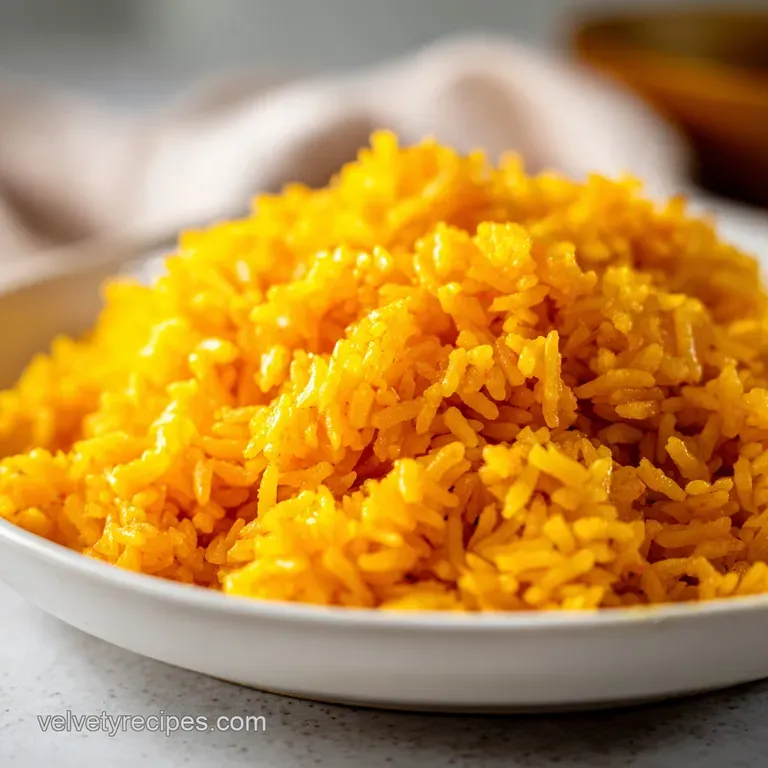
Now, let's get into the actual cooking. This is where the magic happens. We are going to follow the Schema approved measurements: 2 cups of rice and 3 cups of water. This 1:1.5 ratio is the "sweet spot" for long grain rice in this specific preparation.
- Prep the aromatics. Dice the 1/2 red onion and 1/2 green bell pepper finely. Mash the 3 cloves of garlic with a pinch of salt in your pilón until it forms a smooth paste.
- Heat the oil. Add 2 tbsp vegetable oil to your pot over medium heat. Wait until the oil shimmers before adding anything else.
- Build the sofrito. Toss in the diced onion and pepper. Sauté for 3 minutes until the onions are translucent and fragrant.
- Blooming spices. Add the garlic paste, 1 tsp dried oregano, 1 packet Sazón, and 1 tbsp tomato paste. Stir constantly for 1 minute until the tomato paste turns a darker brick red.
- Add the broth base. Stir in 1 tsp chicken bouillon powder and the chopped cilantro. Pour in the 3 cups of water and 1 tsp apple cider vinegar.
- Seasoning check. Taste the water. It should taste slightly saltier than you want the finished rice to be, as the rice will absorb the salt.
- Rice integration. Add the 2 cups of rinsed rice. Stir once to distribute.
- The first boil. Bring the mixture to a boil. Let it cook uncovered until the water level drops below the rice and small steam holes appear.
- The steam seal. Reduce heat to the lowest setting. Give the rice one gentle turn (bottom to top), then cover with a tight fitting lid.
- Final rest. Cook for 20 minutes undisturbed. Turn off the heat and let it sit for 5 minutes before fluffing with a fork until the grains separate effortlessly.
Chef's Note: The teaspoon of apple cider vinegar is a classic trick. It doesn't make the rice sour; instead, the acidity helps strengthen the rice's structure so the grains stay distinct and don't break during the fluffing stage.
Pro Techniques for Ensuring Every Single Grain Stays Fluffy
Even the best cooks run into trouble with rice. It’s a temperamental grain that reacts wildly to small changes in heat or moisture. If you’ve ever ended up with a pot of "asopao" (soupy rice) when you wanted dry grains, you know the frustration.
Resolving Texture Issues Like Mushy Grains
The most common culprit for mushy rice is excess starch. If you skip the rinsing step, that powdery starch on the outside of the grain turns into a glue like substance the moment it hits hot water. Always rinse until the water runs clear.
| Problem | Root Cause | Solution |
|---|---|---|
| Gummy/Sticky Texture | Excess surface starch or too much stirring | Rinse rice 3-4 times; never stir rice after the lid goes on |
| Grains are Crunchy | Not enough liquid or lid isn't tight | Add 2 tbsp hot water, seal tightly with foil under the lid, steam 5 more mins |
| Rice is Scorched | Heat was too high during the steaming phase | Transfer unburnt rice to a new pot; place a piece of white bread on top to absorb burnt smell |
Common Mistakes Checklist
- ✓ Never skip the "toasting" phase let the rice sit in the oil for 30 seconds before adding water.
- ✓ Ensure the lid is truly airtight; if steam escapes, the rice won't cook through.
- ✓ Avoid "peeking" every time you lift the lid, you lose the precise temperature needed for steaming.
- ✓ Use a fork, not a spoon, to fluff the finished rice to avoid crushing the grains.
- ✓ Use long grain white rice; short grain or jasmine rice requires different water ratios.
Simple Ingredient Variations to Fit Your Kitchen Pantry Needs
We all have those days where we start a recipe only to realize the pantry is looking a bit bare. Don't worry Dominican cooking is about being resourceful. This Dominican Yellow Rice is forgiving as long as you keep the ratios in check.
| Original Ingredient | Substitute | Why It Works |
|---|---|---|
| Sazón with Achiote | 1/2 tsp Turmeric + 1/2 tsp Cumin | Provides similar golden color and earthy undertones. Note: Lacks the specific MSG savory punch. |
| Chicken Bouillon | Vegetable Broth (replace water) | Maintains the savory depth while keeping the dish vegetarian friendly. |
| Red Onion | Yellow Onion or Shallots | Similar sweetness; shallots offer a more refined, garlicky finish. |
If you are looking for a change of pace, you might enjoy trying this technique with different flavor profiles. For instance, the way we toast the grains is very similar to how I handle my Fried Rice in recipe, which also relies on high heat and oil to keep the grains separate.
Customizing Your Pot
- The Garden Variation: Stir in a half cup of frozen peas and carrots during the last 5 minutes of steaming for extra color and nutrition.
- The Smoky Twist: Add a small piece of smoked ham hock or diced "salchichón" (Dominican salami) to the oil at the beginning to infuse the whole pot with a meaty richness.
- Low Sodium Version: Swap the bouillon powder for a low sodium chicken stock and use fresh turmeric instead of the sazón packet to control the salt intake.
Preservation Methods for Keeping Leftovers Fresh and Tasty
Rice is one of the best things to have in the fridge for a quick lunch, but it can dry out quickly if not handled correctly. Because of the oil we used in this recipe, it actually holds up better than plain steamed rice.
- Fridge: Store in an airtight container for up to 4 days.
- Freezer: You can freeze this rice! Place cooled rice in a freezer bag, flatten it out, and it will stay good for up to 3 months.
- Reheating: To prevent "dry rice syndrome," add a teaspoon of water per cup of rice before microwaving. Cover it with a damp paper towel to create a mini steam chamber.
- Zero Waste Tip: If you have leftovers that are a bit too dry, they make the perfect base for a Caribbean style "Chofán" (Dominican fried rice). Just toss them in a wok with some soy sauce and scrambled eggs.
When scaling this recipe up for a big family gathering, remember the "1.5 rule." If you double the rice to 4 cups, you'll use 6 cups of water. However, keep the oil and spices at about 1.5 times the original amount so the flavors don't become overwhelming.
Cooking larger batches often requires a slightly longer steaming time usually an extra 5 to 7 minutes.
Finishing Touches to Complete Your Hearty Caribbean Family Meal
In a traditional Dominican household, this rice is part of "La Bandera" (The Flag), consisting of rice, red beans, and meat. It’s a balanced, filling plate that feels like a warm hug.
The golden grains look beautiful next to a glossy, dark bean stew. If you're looking for something to pour over the top for an extra layer of comfort, it pairs incredibly well with a Ground Beef Gravy recipe which adds a velvety richness to the fluffy rice.
One of the best things about this dish is the "concón." If you let the rice cook on low for an extra few minutes at the very end, a crispy, golden crust forms at the bottom of the pot. In my house, we don't throw that away we scrape it out and share it.
It’s crunchy, salty, and packed with all the concentrated flavors of the sofrito.
Debunking Rice Misconceptions
A common myth is that adding oil to the water prevents the pot from boiling over. In reality, oil is there to coat the grains and add flavor. If your pot is boiling over, it’s because it’s too small or the heat is too high! Another misconception is that you must "wash the flavor away" by rinsing rice.
Rinsing only removes surface starch; the flavor of the grain itself remains intact, and your texture will be ten times better for it.
Honestly, don't even bother with the "easy cook" or parboiled rice for this. Stick to regular long grain white rice. It absorbs the sofrito much better, giving you that authentic taste that makes people ask for your "secret" recipe. Right then, let's get that caldero on the stove and start cooking!
Recipe FAQs
Do Dominicans eat yellow rice?
Yes, absolutely. Yellow rice (Arroz Amarillo) is a fundamental staple, often served as the base for the national dish, La Bandera.
What kind of rice is that yellow rice?
Use long grain white rice. This variety maintains its structure best when absorbing the seasoned liquid, ensuring a fluffy, separate grain texture.
What is different about Dominican yellow rice versus Spanish yellow rice?
The key difference is the seasoning base. Dominican style relies heavily on a slow sizzled sofrito base including oregano, tomato paste, and Sazón for color, whereas Spanish paella styles often use saffron for color and flavor.
What rice do Dominicans use to achieve the fluffiest result?
Long grain white rice is mandatory for this texture. You must thoroughly rinse the grains until the water runs clear to remove excess surface starch, which prevents gumminess.
How do I get the deep yellow color without using saffron?
Use Sazón seasoning packets containing achiote (annatto). This is the traditional, inexpensive way to impart the signature vibrant golden hue and savory flavor.
How do I ensure the rice doesn't stick to the bottom of the pot?
Ensure the oil coats the bottom completely before adding aromatics. This fat barrier protects the grains, and if you want the crispy bottom layer, control the final low heat precisely.
If you master texture control here, you can apply the same principle when learning our [Crispy Bang Bang recipe] technique for surface crisping.
How do I properly calculate water when doubling the recipe?
Maintain the 1:1.5 ratio of rice to water, but slightly increase the seasonings. For 4 cups of rice, use 6 cups of water, and increase the Sazón and bouillon by about 50% to ensure the flavor permeates the larger volume.
Dominican Yellow Rice Recipe
Ingredients:
Instructions:
Nutrition Facts:
| Calories | 353 kcal |
|---|---|
| Protein | 5.9 g |
| Fat | 6.1 g |
| Carbs | 66 g |
| Fiber | 1.4 g |
| Sugar | 1.2 g |
| Sodium | 495 mg |
