Sauteed Vegetables: Crispy and Vibrant
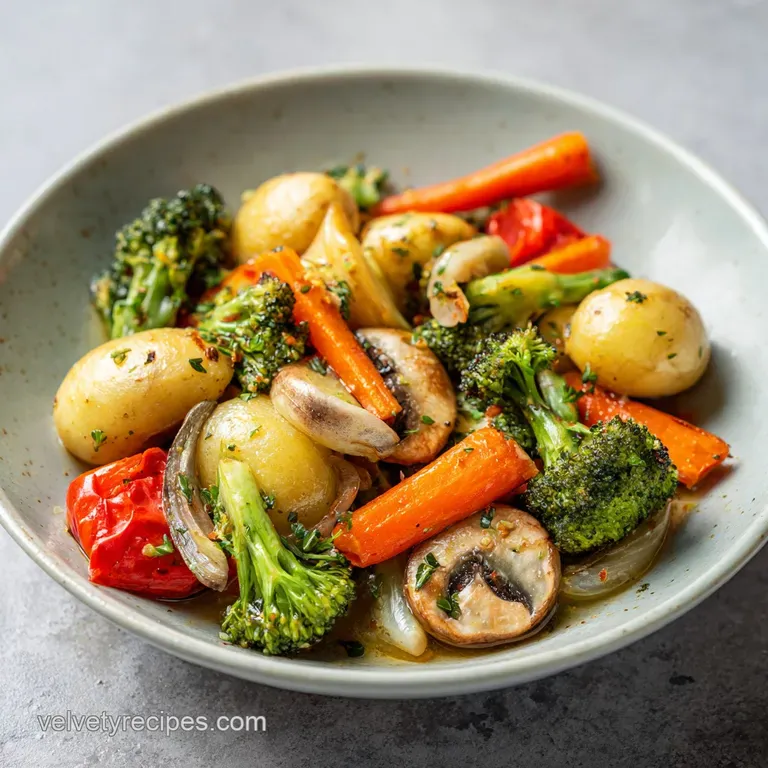
- Time: Active 10 minutes, Passive 0 minutes, Total 17 minutes
- Flavor/Texture Hook: Charred, crisp tender, and vibrant
- Perfect for: Busy weeknights, healthy meal prep, or a hearty family side dish
- Why Temperature and Surface Area Matter
- Essential Measurements for Consistent Results
- Selecting the Best Fresh Produce
- Essential Tools for Minimalist Cooking
- Mastering the Searing Process
- Solving Common Cooking Frustrations
- Easy Flavor Profile Adjustments
- Smart Storage for Leftovers
- Serving Your Dish with Style
- Recipe FAQs
- 📝 Recipe Card
Why Temperature and Surface Area Matter
Getting the best results from your stovetop comes down to a few simple physical interactions that happen in the pan. As a home cook, I used to think that "cooking is cooking," but there is a reason we use specific oils and specific heats.
- The Maillard Reaction: High heat triggers a reaction between amino acids and reducing sugars, which creates that brown, charred exterior and deep savory flavor.
- Evaporative Cooling: If the vegetables are wet, the heat of the pan goes into boiling the water on the surface instead of browning the vegetable, which leads to steaming.
- Staggered Thermal Loads: Dense vegetables like carrots take longer for heat to penetrate the center than porous ones like zucchini, so adding them in stages prevents overcooking the delicate pieces.
- Cellular Integrity: Quick cooking at high heat softens the pectin in the cell walls just enough to make them biteable while keeping the interior structure intact and snappy.
| Method | Time | Texture | Best For |
|---|---|---|---|
| over High heat Sauté | 7 minutes | Crispy edges, snappy centers | Quick weeknights and vibrant colors |
| over Low heat Sweat | 15 minutes | Soft, translucent, and sweet | Soups, stews, or omelet fillings |
| Classic Roasting | 25 minutes | Fully tender and caramelized | Meal prep or hands off weekend dinners |
The difference between a "good" dish and one that tastes like it cost twenty dollars at a bistro is often just a matter of how you manage the surface area. By slicing the carrots into thin coins and breaking the broccoli into small, even florets, you increase the amount of vegetable that actually touches the hot metal.
More contact means more browning, and more browning means more of that "million dollars" flavor we are after.
Essential Measurements for Consistent Results
When we talk about being a practical home cook, consistency is king. You want this dish to turn out exactly the same every single time you make it. I have found that if I just "eyeball" it, I sometimes end up with too much zucchini and not enough crunch.
Following these specs ensures the pan doesn't get overcrowded, which is the fastest way to ruin a good sauté.
| Component | Science Role | Pro Secret |
|---|---|---|
| Avocado Oil | High smoke point carrier | Provides a medium for heat transfer without burning or smoking out the kitchen |
| Sliced Garlic | Aromatic infusion | Adding these later in the process prevents the bitter "burnt garlic" aftertaste |
| Lemon Juice | Acidic brightness | Breaks through the fat and "wakes up" the earthy flavors of the vegetables |
Working with these specific amounts helps maintain the right ratio of veg to pan space. If you double the recipe, you absolutely must work in batches. If you try to cram two pounds of vegetables into one skillet, the temperature will drop instantly, the veggies will release their juices, and you will be back in "steam land." Trust me, I have tried to skip this rule many times when I was hungry, and I regretted it every single time.
For a well rounded meal, I often serve these alongside my Mediterranean Chicken Patties because the bright lemon finish on the vegetables complements the savory herbs in the chicken perfectly.
Selecting the Best Fresh Produce
You do not need to spend a fortune at a boutique organic market, but you do need to look for specific cues when you are at the grocery store. For this dish, freshness translates directly to texture.
- Broccoli florets (1 cup): Look for tight, dark green heads. If they are starting to turn yellow or feel soft, they will become bitter and mushy in the pan. Why this? The "trees" trap the oil and salt for maximum flavor delivery.
- Substitute: Cauliflower. It has a similar density but adds a nuttier, earthier tone.
- Large carrot (1, peeled and sliced): Choose firm carrots that don't bend. Why this? Carrots provide the essential structural "crunch" and a hint of natural sweetness.
- Substitute: Parsnips. These are sweeter and slightly more fibrous but delicious when charred.
- Red bell pepper (1, sliced): Seek out peppers with smooth, shiny skin. Wrinkles mean they have lost moisture. Why this? Adds a pop of color and a juicy, sweet contrast to the earthy greens.
- Substitute: Yellow or orange bell peppers. They offer the same sweetness and texture.
- Medium zucchini (1, halved and sliced): Smaller zucchinis are better as they have fewer seeds and less water content. Why this? Zucchini acts as the "velvety" component that softens the overall texture of the dish.
- Substitute: Yellow summer squash. It is virtually identical in cooking behavior.
- Snap peas (1 cup): These should literally "snap" when you bend them. Why this? They provide a unique, refreshing green sweetness and a distinct architectural shape.
- Substitute: Green beans (trimmed). Note: These take about 1 minute longer to cook than snap peas.
- Garlic cloves (3, sliced): Use fresh cloves, not the pre minced jarred stuff. Why this? Sliced garlic browns into "chips" rather than burning like minced garlic does.
- Substitute: 1 teaspoon garlic powder (added at the very end). It lacks the fresh bite but adds savory depth.
Using high-quality fats is also non negotiable for a over high heat sauté. Avocado oil is my go to because it can handle the heat without breaking down. If you prefer a different profile, you can use Ghee or refined coconut oil.
Avoid extra virgin olive oil for this specific over high heat method, as its smoke point is too low and it will start to smell "off" before the vegetables are even charred.
Essential Tools for Minimalist Cooking
One of the things I love most about this recipe is that it doesn't require a kitchen full of gadgets. You really only need two or three quality items to get the job done. I am a big believer in the "less is more" philosophy when it comes to kitchen gear.
First, you need a heavy bottomed skillet. A cast iron pan is a fantastic choice here because it holds heat like a champion. When you add cold vegetables to a thin, cheap pan, the temperature drops, and you lose that sizzle. A heavy stainless steel pan also works wonders.
Second, a sharp chef's knife is your best friend. Clean, precise cuts mean even cooking. If your carrot coins are all different thicknesses, some will be raw while others are burnt.
Chef's Tip: If you are using a stainless steel pan and are worried about sticking, try the "Leidenfrost" test. Drop a bead of water on the dry, hot pan. If it sizzles and evaporates, it's not ready. If it rolls around like a marble of mercury, it's perfectly primed for the oil and veggies.
Finally,, a sturdy pair of tongs or a wide wooden spatula is essential for "tossing" the vegetables. You want to move them frequently enough that they don't burn, but not so much that they never get a chance to brown. It’s a rhythmic balance that you’ll get the hang of after the first two minutes.
Mastering the Searing Process
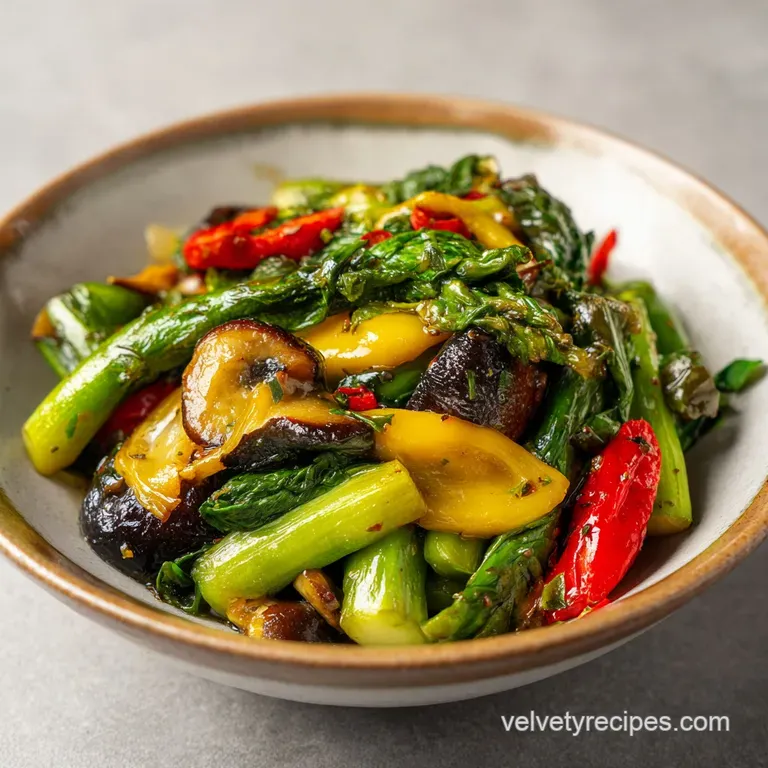
This is where we bring everything together. Remember, the goal is high heat and quick movement. Keep your focus on the pan this is not the time to check your phone or start another task.
- Prep all vegetables for maximum surface area: slice carrots into thin rounds and break broccoli into small, even florets. Thoroughly dry all vegetables with a paper towel to prevent steaming. Note: Dry vegetables are the secret to that restaurant style char.
- Heat a large heavy bottomed skillet over high heat for at least 3 minutes.
- Add the 2 tbsp avocado oil and wait until it is shimmering but not smoking.
- Add the 'hard' vegetables (carrots and broccoli) to the pan first.
- Sauté for 2-3 minutes, allowing them to develop a slight char from the Maillard reaction. Listen for a consistent, loud sizzle.
- Add the 'soft' vegetables (bell peppers, zucchini, and snap peas) along with the 3 cloves of sliced garlic.
- Continue to sauté for an additional 3-4 minutes, tossing frequently to ensure even heat distribution.
- Season with 0.5 tsp kosher salt and 0.25 tsp cracked black pepper. The vegetables should look vibrant and slightly browned on the edges.
- Remove from heat immediately.
- Stir in the 1 tsp fresh lemon juice to create a light flavor enhancing glaze.
The lemon juice at the end is a "chef's trick" that transforms the dish. The acid reacts with the residual oil and the juices from the vegetables to create a velvety coating that makes the whole thing feel much more sophisticated.
It cuts through the richness of the oil and brings out the natural sugars in the carrots and peppers.
Solving Common Cooking Frustrations
Even the most seasoned home cook can run into trouble. The most common issue with Sauteed Vegetables is the dreaded "liquid pool" at the bottom of the pan. This happens when you have too much moisture or not enough heat.
Why is there liquid pooling in my pan?
This usually happens because the pan was either overcrowded or the vegetables were still wet from being washed. When too many cold vegetables hit the oil, the temperature drops. Instead of searing, the vegetables start to release their internal moisture, which then collects in the pan and begins to boil.
| Problem | Root Cause | Solution |
|---|---|---|
| Mushy vegetables | Too much moisture or low heat | Dry veggies thoroughly and ensure the pan is shimmering hot before starting |
| Burnt garlic | Added garlic too early | Only add sliced garlic during the last 3-4 minutes of cooking |
| Dull, grey colors | Overcooking | Stick to the 7 minute total cook time; remove from heat while still vibrant |
If you find yourself in a situation where liquid is pooling, the best fix is to actually remove some of the vegetables immediately and turn the heat up to the max. Let the liquid evaporate, then add the veggies back in smaller batches. It’s a bit more work, but it’s the only way to save the texture.
Why did my vegetables turn dull and olive colored?
This is a classic case of overcooking or adding acid too early. Chlorophyll, the pigment that makes vegetables green, is very sensitive to heat and acid. If you cook broccoli for too long, the cell structure collapses and the color fades.
To keep them bright, we add the lemon juice after the pan is off the heat.
Common Mistakes Checklist:
- ✓ Skipping the pre heating phase (the pan must be hot!)
- ✓ Washing vegetables and not drying them (moisture = steam)
- ✓ Crowding the pan (work in batches if needed)
- ✓ Cutting vegetables into uneven sizes (leads to uneven doneness)
- ✓ Walking away from the stove (this is a fast, active process)
If you find yourself with leftovers that have lost their snap, don't toss them! They are perfect for topping my Stuffed Spaghetti Squash Lasagna Boats the next day. The softer texture of the day old veggies blends perfectly into the cheesy, baked dish.
Easy Flavor Profile Adjustments
While the garlic and lemon version is a classic for a reason, you can easily pivot this dish to match whatever else you are serving. The technique remains exactly the same; only the seasonings change.
How can I make this an Asian inspired stir fry?
To give this a "million dollar" takeout feel, swap the avocado oil for peanut oil and the lemon juice for a splash of soy sauce and toasted sesame oil. You can also add a teaspoon of grated ginger at the same time you add the garlic.
This version is fantastic if you are looking for a quick vegetable stir fry recipe to serve over rice.
Can I make this a Mediterranean side dish?
Absolutely. Keep the lemon and garlic, but add a teaspoon of dried oregano and a sprinkle of red pepper flakes during the last minute of cooking. Finish the dish with a handful of crumbled feta cheese once it’s off the heat. This version pairs beautifully with roasted lamb or grilled fish.
If you want a different take on earthy flavors altogether, you might want to try my Vegetables with Balsamic Glaze recipe. Roasting offers a different kind of sweetness than sautéing, and that balsamic finish is a total crowd pleaser.
- If you want more umami
- Add a teaspoon of nutritional yeast or a dash of Worcestershire sauce at the end.
- If you want a spicy kick
- Toss in half a teaspoon of red chili flakes with the garlic.
- If you want a richer mouthfeel
- Stir in a small knob of cold butter along with the lemon juice.
Smart Storage for Leftovers
Sautéed vegetables are best eaten fresh, but they can definitely be saved if you have extras. The key is cooling them down quickly so they don't continue to "carry over" cook in their own steam. Spread them out on a plate or a baking sheet for five minutes before putting them in a container.
Storage: Store in an airtight container in the fridge for up to 3 days. I don't recommend freezing these, as the cellular structure of the zucchini and peppers will break down, resulting in a very mushy texture upon thawing.
Zero Waste Tip: If you have vegetable scraps like carrot peels or broccoli stalks, don't throw them away! Throw them in a freezer bag. Once the bag is full, you can simmer them with some water and peppercorns to make a hearty, homemade vegetable scrap stock.
Even the ends of the snap peas can add sweetness to a broth.
What is the best way to reheat?
Avoid the microwave if you can. It will turn your crisp tender veggies into a rubbery mess. Instead, heat a small skillet over medium high heat with a tiny drop of oil. Toss the vegetables in for 1-2 minutes just until they are warmed through.
This helps to re crisp the edges and maintain that hearty texture we worked so hard to achieve.
Serving Your Dish with Style
Presentation isn't just about being "fancy"; it's about making the meal feel special for your family. A big, colorful bowl of vegetables in the center of the table looks like a celebration of health and flavor.
Why pay $18 at a bistro when you can plate like a pro?
To get that professional look, use a wide, shallow bowl rather than a deep one. This prevents the vegetables from piling up and steaming each other further. Garnish with a few fresh herbs if you have them parsley or chives work beautifully and perhaps a final tiny sprinkle of flaky sea salt (like Maldon).
The contrast between the bright green snap peas and the deep orange carrots is naturally beautiful, so you don't need to do much to make it look stunning.
- Grains
- Serve over a bed of fluffy quinoa or brown rice to soak up the lemon garlic glaze.
- Proteins
- These are the ultimate companion for a simple grilled steak or a roasted chicken.
- Breakfast
- Believe it or not, these make an incredible addition to a morning hash. Just top with a fried egg and let the yolk act as an extra sauce.
- Myth
- You need to use a lot of oil. Truth: You only need enough to lightly coat the bottom of the pan. The goal is to sear, not shallow fry.
- Myth
- Salt should be added at the beginning. Truth: Adding salt too early draws moisture out of the vegetables, which can lead to steaming. Adding it at the end keeps the veggies plump and juicy.
- Myth
- You must peel everything. Truth: For carrots, peeling is great for aesthetics, but for zucchini, the skin provides essential structure and fiber. Keep it on!
Cooking for your family should feel like a gift, not a chore. By mastering these simple "Sauteed Vegetables," you are building a foundation for hundreds of other meals. It is a reliable, fast, and healthy way to get dinner on the table without the stress of complicated techniques.
Just remember: keep it hot, keep it dry, and keep it simple. Your kitchen will smell like a million dollars, and your family will thank you for the hearty, vibrant meal. Happy cooking!
Recipe FAQs
What vegetables are best to sauté?
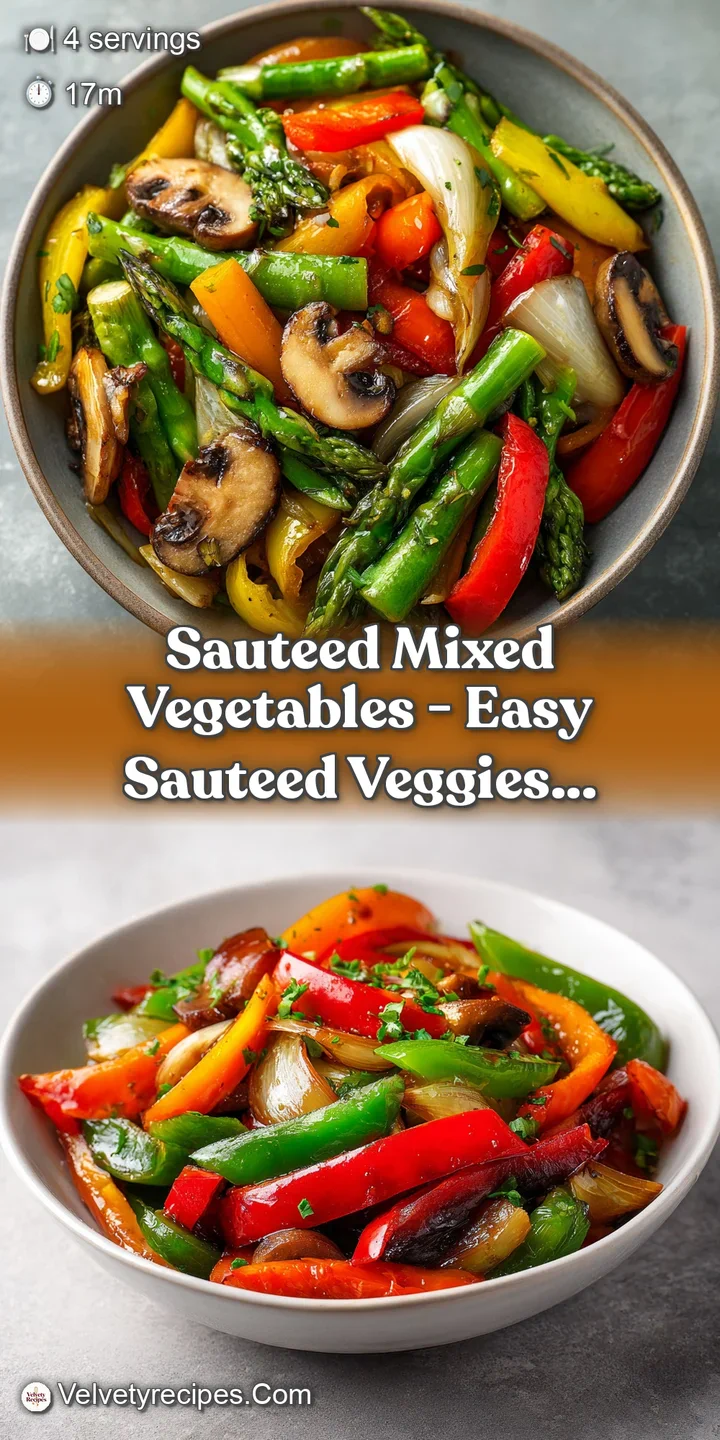
Use a mix of dense and quick cooking produce. Our recipe calls for broccoli florets, carrot coins, red bell pepper strips, sliced zucchini, and snap peas, which provide the best balance of crunch and flavor.
What is the secret to perfectly sautéed veggies?
Managing moisture and surface area is critical. You must pat all vegetables completely dry with a paper towel before they hit the pan, as any excess surface water will lead to steaming instead of a crisp sear. If you enjoyed mastering this high heat searing technique, see how the same principle of moisture control creates a perfect crust on our savory meatloaf.
Is it better to sauté vegetables in oil or butter?
Stick with avocado oil. Because this method requires high heat to achieve a proper Maillard reaction, a high smoke-point oil like avocado oil is necessary to prevent the fats from burning and turning bitter.
How to make sauté vegetables tasty?
Finish the dish with a splash of fresh lemon juice. Adding the acidity right at the end brightens the natural flavors and cuts through the richness, acting as a final flavor enhancing glaze.
Is it true I must cook all vegetables at the same time?
No, this is a common misconception. Dense vegetables like carrots and broccoli take longer to soften than zucchini or bell peppers, so you should add them in stages to ensure everything is done at the exact same moment.
How to prevent vegetables from becoming mushy?
Keep the skillet on high heat and toss frequently. This ensures the heat is distributed evenly and keeps the veggies in constant contact with the hot surface, which softens the cell walls just enough while maintaining an interior crunch.
How to ensure even cooking for different vegetable types?
Slice all items into uniform, bite sized pieces before starting. Consistent sizing allows the heat to penetrate each vegetable at the same rate, preventing smaller pieces from burning while larger ones remain raw.
Easy Sauteed Vegetables
Ingredients:
Instructions:
Nutrition Facts:
| Calories | 118 kcal |
|---|---|
| Protein | 2.9 g |
| Fat | 7.5 g |
| Carbs | 11.3 g |
| Fiber | 3.6 g |
| Sugar | 5.1 g |
| Sodium | 312 mg |
