Fried Cheese Bites: Shatteringly Crispy
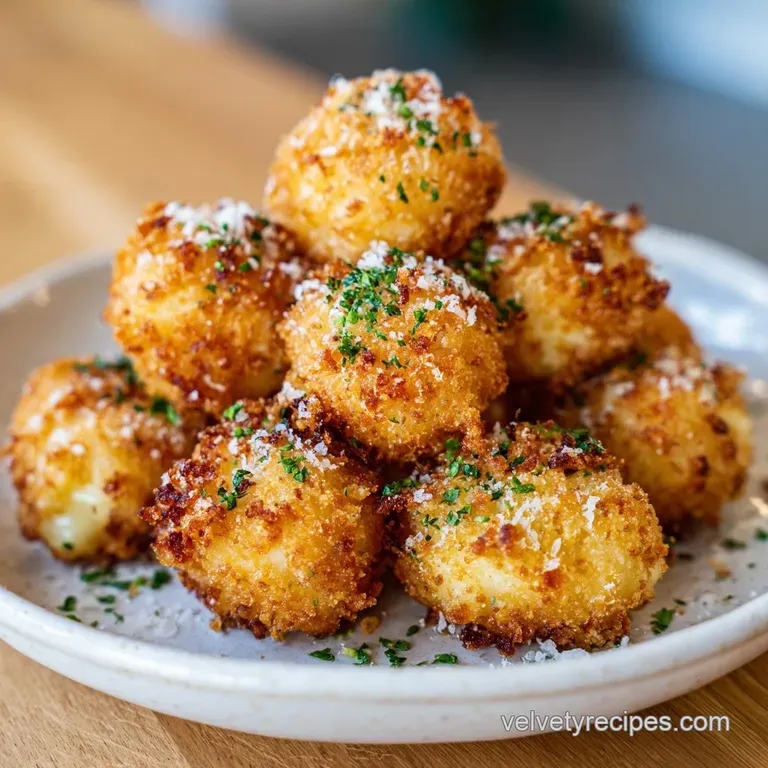
- Time: Active 15 minutes, Passive 30 minutes, Total 45 minutes
- Flavor/Texture Hook: Shatteringly crispy panko shell with a silky mozzarella heart
- Perfect for: Game day snacks, kid friendly appetizers, or late night cravings
- Creating Golden and Gooey Fried Cheese Bites for Your Next Crowd
- Understanding the Secret Science Behind This Shatteringly Crispy Crust
- Analyzing the Science Behind Your Essential Component Analysis
- Shopping List for Your Homemade Crunchy Snack Selection
- Minimal Tools Needed for Professional Frying Results
- Step by Step Guide to Frying Perfect Cubes
- Solving Common Issues and Avoiding Cheese Blowouts
- Adjusting for More or Fewer Guests
- Debunking Classic Frying Misconceptions
- Keeping Your Leftover Bites Crispy and Fresh
- Presentation Tips and Dipping Sauce Pairings
- Recipe FAQs
- 📝 Recipe Card
Creating Golden and Gooey Fried Cheese Bites for Your Next Crowd
Picture this: you're sitting on the sofa, the game is on, and the aroma of toasted garlic and sizzling oil drifts from the kitchen. I remember my first attempt at this. It was a total disaster because I thought I could just toss cheese in flour and hope for the best.
Instead of those beautiful golden nuggets you see in restaurants, I ended up with a pan full of burnt crumbs and a sad, empty shell of cheese that had completely oozed out. It was a mess, but it taught me everything I needed to know about the "thermal buffer."
Now, I make these Fried Cheese Bites whenever we have friends over, and they disappear faster than I can salt them. There is something so satisfying about that first bite where the crust gives way to a velvety, stretching interior. It feels like a million dollars but costs pennies to make compared to ordering out.
We aren't just frying cheese here; we are building a structural masterpiece that holds up to the heat of the oil while keeping the center perfectly melted.
Right then, let's talk about why this specific method works. You don't need fancy gadgets or a degree in culinary arts. You just need a bit of patience and some pantry staples. We’re going to use low moisture mozzarella because it behaves itself under pressure, and a double coating of panko to ensure that no cheese escapes its crispy prison.
Trust me on this: once you master the freeze and fry rhythm, you’ll never settle for the soggy, frozen bags from the grocery store again.
Understanding the Secret Science Behind This Shatteringly Crispy Crust
Double Dredge Insulation: Applying a second layer of flour and panko creates a reinforced barrier that prevents the melting cheese from escaping.
Thermal Buffer Strategy: Freezing the cheese cubes before frying ensures the exterior reaches a high temp while the interior barely hits its melting point.
Starch Gelatinization: The flour layer interacts with the egg wash to form a glue like bond, ensuring the breadcrumbs stick through the violent bubbling of the oil.
Panko Geometry: Unlike fine breadcrumbs, panko's jagged edges create more surface area, leading to a lighter, airier crunch that doesn't soak up excess grease.
| Servings | Mozzarella Cubes | Oil Volume | Cook Time |
|---|---|---|---|
| 2 people | 1/3 lb | 1.5 cups | 3 mins |
| 6 people | 1 lb | 2 cups | 5 mins |
| 12 people | 2 lbs | 4 cups | 10 mins |
This serving size calculator is your best friend when you're hosting a larger group. I've found that people usually eat about five or six of these in one sitting, so plan accordingly! If you are scaling up, just remember to work in batches. If you dump all the cheese in at once, the oil temperature will plummet, and you'll end up with greasy, soggy bites instead of that shatter crisp finish we’re after. It's much like the logic we use for my Loaded Bacon Cheese Fries recipe, where temperature control is everything for the best crunch.
Analyzing the Science Behind Your Essential Component Analysis
| Ingredient | Science Role | Pro Secret |
|---|---|---|
| Low Moisture Mozzarella | Structural Integrity | Always use block cheese and cut it yourself for the most consistent melt. |
| Panko Breadcrumbs | Textural Contrast | Crush them slightly in your hand for a tighter, more uniform crust. |
| Large Eggs | Protein Binder | Whisk until no streaks of white remain to ensure even coating. |
| Smoked Paprika | Flavor Depth | Adds a subtle "fired" aroma that mimics a wood fired snack. |
Shopping List for Your Homemade Crunchy Snack Selection
- 1 lb low moisture mozzarella cheese: Cut this into 1 inch cubes. Why this? High moisture cheese will steam and explode in the hot oil.
- 1 cup all purpose flour: Used for the initial dredge. Why this? It dries the cheese surface so the egg can actually stick.
- 2 large eggs: The primary glue for our breading.
- 1 tbsp water: Thins the egg wash. Why this? Prevents the coating from becoming too thick and "cakey."
- 2 cups panko breadcrumbs: The source of our crunch.
- 1 tsp garlic powder: Essential for that savory, nostalgic flavor.
- 1 tsp dried oregano: Gives it that classic Italian American pizzeria vibe.
- 0.5 tsp smoked paprika: For color and a hint of earthiness.
- 0.5 tsp sea salt: To season the crust from within.
- 0.5 tsp black pepper: A little bite to cut through the rich fat.
- 2 cups neutral oil: Such as canola or vegetable oil.
If you don't have panko on hand, you can use traditional breadcrumbs, but the texture will be much denser. I've also swapped the mozzarella for Pepper Jack when I wanted a bit more of a kick, which is a trick I also use in my Hanky Panky Bites recipe to keep things interesting.
| Original Ingredient | Substitute | Why It Works |
|---|---|---|
| Mozzarella | Provolone (firm) | Similar melting point but offers a sharper, more tangy flavor profile. |
| Panko | Crushed Saltines | High starch content creates a very salty, crispy, and nostalgic crust. |
| All purpose Flour | Cornstarch | Creates an even thinner, crispier shell that is naturally gluten-free. |
Minimal Tools Needed for Professional Frying Results
You don't need a heavy duty deep fryer taking up space on your counter. Honestly, a high sided skillet or a small Dutch oven is better because you can control the heat more precisely. You'll definitely want a thermometer it's the only way to be sure you aren't about to burn your breading.
A slotted spoon or a "spider" strainer is also a must have for retrieving the bites quickly.
I also suggest using three wide, shallow bowls for your dredging station. It makes the process much less messy. I once tried doing this in tall glasses, and let me tell you, trying to fish a slippery cheese cube out of the bottom of a pint glass with a fork is a special kind of frustration you don't need in your life.
step-by-step Guide to Frying Perfect Cubes
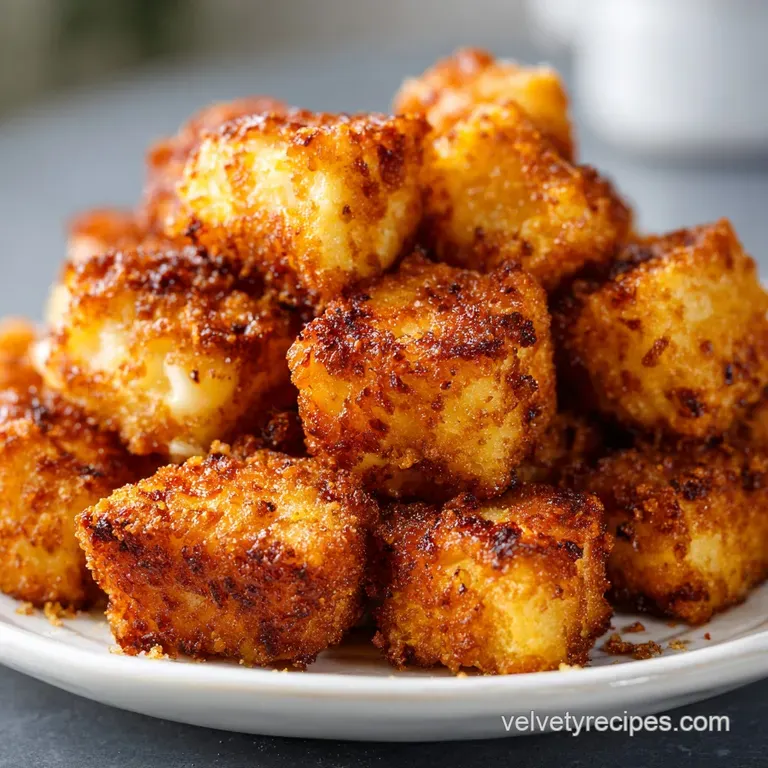
- Prep the cheese. Cut your 1 lb of mozzarella into 1 inch cubes, ensuring they are all roughly the same size. Note: Uniformity ensures they all melt at the exact same rate.
- Set up the station. Arrange three bowls: one with 1 cup flour, one with 2 eggs whisked with 1 tbsp water, and one with 2 cups panko mixed with garlic powder, oregano, paprika, salt, and pepper.
- Perform the first dredge. Roll each cheese cube in the flour, shaking off the excess until the surface looks matte.
- Do the first dip. Submerge the floured cube into the egg wash, ensuring every single corner is wet.
- Apply the first coat. Drop the cube into the panko mixture and press the crumbs firmly onto the cheese.
- Execute the double dredge. Dip the breaded cube back into the egg wash, then back into the panko for a second layer. Note: This second layer is your insurance policy against leaks.
- Chill the bites. Place the breaded cubes on a parchment lined tray and freeze for 30 minutes. Wait until they feel firm to the touch.
- Heat the oil. Pour 2 cups of oil into your pan and heat to 350°F.
- Fry in batches. Carefully lower 4-6 cubes into the oil and cook for 45 to 60 seconds until the panko is golden brown.
- Drain and rest. Remove with a slotted spoon and place on a wire rack for 2 minutes until the oil stops sizzling.
Chef's Tip: Use the "one hand dry, one hand wet" rule when breading. Use your left hand for the flour and panko, and your right hand for the egg wash. This prevents your fingers from becoming breaded clubs halfway through the process!
Solving Common Issues and Avoiding Cheese Blowouts
Why the cheese is leaking
If you see white streaks emerging from the golden crust, it's usually because there was a tiny gap in the breading or the oil wasn't hot enough. When the oil is too cold, the cheese melts before the crust can set. This is why that 350°F checkpoint is non negotiable.
Why the breading is falling off
This usually happens if the cheese was too wet before the flour stage, or if you didn't press the panko firmly enough. The flour's job is to absorb surface moisture, creating a dry "primer" for the egg "paint" to stick to.
| Problem | Root Cause | Solution |
|---|---|---|
| Greasy texture | Oil temp too low | Ensure oil reaches 350°F before adding the next batch of cheese. |
| Burnt exterior | Oil temp too high | Drop heat and wait for oil to cool; panko burns quickly above 375°F. |
| Cold center | Cube size too large | Stick to 1 inch cubes; larger cubes won't melt through before the crust burns. |
Common Mistakes Checklist
- ✓ Never skip the 30 minute freeze; it’s the most important step for structural integrity.
- ✓ Don't overcrowd the pan; frying too many at once drops the oil temp and leads to sogginess.
- ✓ Use a wire rack for cooling instead of paper towels to keep the bottom from steaming.
- ✓ Always pat the cheese block dry with a paper towel before you start cutting it.
- ✓ Check your oil temperature between every single batch to maintain consistency.
Adjusting for More or Fewer Guests
When you're scaling down to a half batch, you can usually get away with just one egg, but I still recommend using the full amount of spices so the flavor doesn't get diluted. For a half batch, you can use a smaller 8 inch skillet to save on oil.
If you are scaling up for a big party, don't just double the salt. Start with 1.5x the salt and taste a test piece first. You can always sprinkle more sea salt on top after frying, but you can't take it out once it's in the crust.
Also, if you're making 50+ of these, keep the breaded (unfried) cubes in the freezer and only take out what you are about to fry. This keeps the "thermal buffer" active for the very last batch.
| Method | Time | Texture | Best For |
|---|---|---|---|
| Deep Fry | 45 seconds | Shatter crisp | Authentic restaurant quality |
| Air Fry | 8 minutes | Crunchy but dry | Lower calorie, less mess |
| Oven Bake | 12 minutes | Soft crunch | Large batches, hands off |
The air fryer is a popular choice, but let's be real: it won't give you that same translucent, bubbly crispness that oil provides. If you do go the air fryer route, spray the bites heavily with oil mist to help the panko brown, otherwise, they can look a bit pale and dusty.
Debunking Classic Frying Misconceptions
One thing I hear all the time is that you need a gallon of oil to fry things. That’s just not true. You only need enough to submerge the bites. In a small pan, 2 cups is plenty. Another myth is that the oil is "ruined" after one use.
As long as you didn't burn it, you can cool it, strain it through a coffee filter, and use it again for your next batch of Fried Cheese Bites.
Some people also think that using fresh mozzarella is "better." Honestly, for frying, fresh mozzarella is your enemy. It has way too much water. It will steam from the inside out, causing the breading to slough off in a soggy mess.
Save the fancy buffalo mozzarella for your caprese salad and stick to the sturdy, low moisture blocks for this recipe.
Keeping Your Leftover Bites Crispy and Fresh
If you somehow have leftovers (which never happens in my house), keep them in an airtight container in the fridge for up to 3 days. To reheat, avoid the microwave at all costs! It will turn the crust into a soggy sponge.
Instead, pop them into a 400°F oven or an air fryer for 3-4 minutes. This will re crisp the panko and get that cheese pull back in action.
For zero waste, if you have leftover breading and egg wash, don't throw them out. I like to slice up an onion or a zucchini, run them through the same dredge, and make a quick side of fried veggies. It’s a great way to use up every bit of that seasoned panko.
You can even use the leftover seasoned flour to kickstart a gravy for another meal.
Presentation Tips and Dipping Sauce Pairings
When it comes to serving, I love a good wooden board or a parchment lined basket. It feels hearty and communal. Sprinkle a little extra fresh parsley or even some grated Parmesan over the top right as they come out of the oil. The heat will melt the Parm just enough to make it stick to the panko.
As for dipping, a classic warm marinara is the gold standard, but don't sleep on a spicy ranch or a honey chipotle glaze. The sweetness of the honey against the salty cheese is a match made in heaven. If you're feeling fancy, a balsamic reduction drizzle can make these feel like a high end bistro appetizer. If you want to lean into the comfort food vibe, serve these alongside a batch of my Amish Onion Cake recipe for a full on feast of savory textures. Whatever you choose, serve them hot. The window for the perfect cheese pull is small, so gather everyone around the kitchen island and let them grab the bites as they come off the rack!
Recipe FAQs
How to make crispy cheese bites?
Freeze the breaded cheese for 30 minutes before frying. This thermal buffer prevents the cheese from leaking before the panko crust has time to fully set and crisp.
How to get breading to stick to cheese?
Use a double dredging technique with flour first. Thoroughly coat the cheese in flour, then egg, then panko, then dip back into egg and panko again, pressing firmly.
How to make battered cheese bites?
Skip traditional wet batter entirely in favor of a double panko dredge. A thick, wet batter often separates from the cheese when it melts; panko provides superior structural adhesion.
What is the best way to fry cheese?
Deep fry in oil heated precisely to 350°F. Maintain this temperature by frying only 4 6 bites at a time to avoid dropping the oil temperature, which leads to grease absorption.
Can I use pre-shredded mozzarella for fried cheese bites?
No, use low-moisture block mozzarella cheese. Pre-shredded cheese is coated with starches to prevent clumping, which inhibits the breading from sticking properly and causes premature melting.
How long should the cheese be frozen before frying?
Freeze them for a minimum of 30 minutes until firm. This step is crucial; the exterior needs to be partially frozen so the breading sets before the interior cheese reaches its full melting point.
What oil temperature is required for the best results?
Heat your neutral oil to exactly 350°F. Frying them quickly, typically for only 45 to 60 seconds, ensures the crust browns beautifully before the cheese inside has a chance to fully ooze out.
Fried Cheese Bites Recipe
Ingredients:
Instructions:
Nutrition Facts:
| Calories | 538 kcal |
|---|---|
| Protein | 24.8 g |
| Fat | 33.5 g |
| Carbs | 32.8 g |
| Fiber | 1.8 g |
| Sugar | 1.2 g |
| Sodium | 758 mg |
