The Ultimate Homemade Gyro Meat
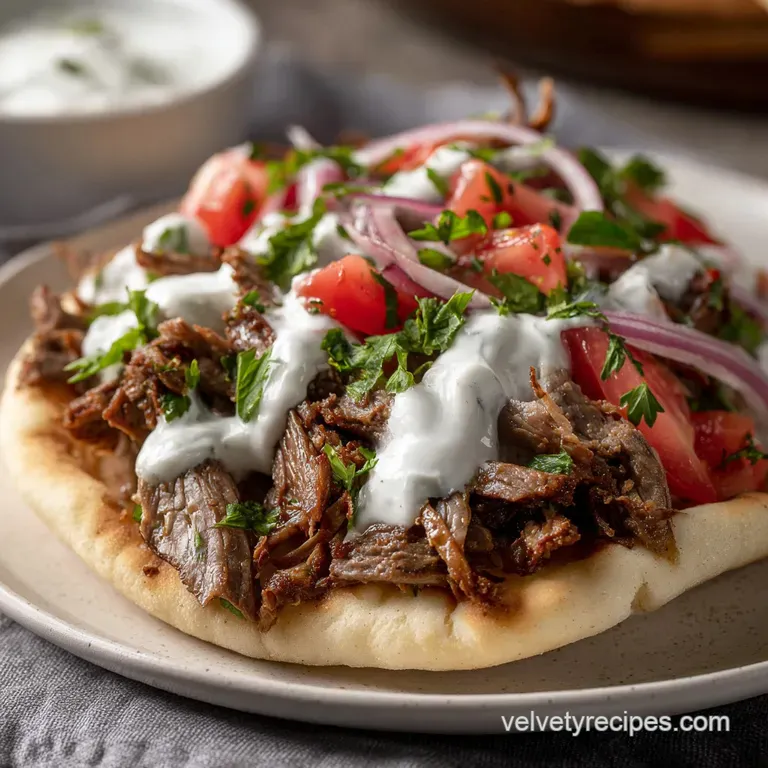
- Time: Active 20 minutes, Passive 60 minutes, Total 80 minutes
- Flavor/Texture Hook: Dense, bouncy, and herb forward with a velvety finish
- Perfect for: Weekend meal prep, family pita nights, or impressive dinner parties
- Essential Specs for Recipe Success
- Why the Meat Stays Dense
- Selecting Your Essential Ingredients
- Tools for a Professional Texture
- Step by Step Cooking Process
- Troubleshooting Your Meat Texture
- Healthy and Dietary Modifications
- Storage and Reheating Guidelines
- Serving and Pairing Suggestions
- Recipe FAQs
- 📝 Recipe Card
Essential Specs for Recipe Success
Getting the logistics right is the difference between a successful dinner and a scramble for takeout. This recipe is designed to feed a family of six to eight, depending on how many pitas everyone stacks up.
Since we are using a mix of beef and lamb, the fat content is naturally high, which is exactly what we want for that rich mouthfeel.
Protein Binding: The salt needs time to work. When you mix the spices into the meat, let it sit in the fridge for 30 minutes. This isn't just for flavor; it’s about the salt breaking down the proteins so they can bond together into a solid mass later.
Temperature Control: We are aiming for an internal temperature of 165°F (74°C). Because we are using ground meats, this is the magic number for safety, but it’s also the point where the fats have rendered enough to keep the loaf moist without becoming a greasy mess.
| Metric | Measurement |
|---|---|
| Oven Temp | 325°F (165°C) |
| Final Internal Temp | 165°F (74°C) |
| Rest/Press Time | 30 minutes |
| Visual Cue | Opaque, pale, and firm to the touch |
Why the Meat Stays Dense
Protein Emulsification: Processing the meat into a paste creates a tight network of proteins that traps fat and moisture. Without this step, the meat remains crumbly like a burger rather than bouncy like a gyro.
Compression Force: Placing a weight on the cooked meat forces the air pockets out and tightens the structure. This is what allows for those signature thin slices that don't fall apart in the pita.
Moisture Management: Grating the onion and squeezing it dry prevents excess steam from forming inside the loaf. Too much water would create a spongy, loose texture instead of a dense one.
Cold Processing: Keeping the meat cold before it hits the food processor ensures the fat doesn't melt too early. If the fat smears before cooking, the final result will feel greasy and heavy on the tongue.
| Method | Time | Texture | Best For |
|---|---|---|---|
| Classic Weighted | 80 minutes | Dense, bouncy, authentic | Traditional pitas and platters |
| Fast Loaf | 60 minutes | Softer, more like meatloaf | Quick weeknight sandwiches |
| Individual Patties | 15 minutes | Crispy, loose, burger like | Ultra fast lunch option |
If you have ever made a Mushroom Swiss Meatloaf, you know that the goal there is a tender, almost loose crumb that melts in your mouth. This gyro recipe is the exact opposite. While a meatloaf celebrates the individual grains of meat, this homemade gyro meat recipe is all about creating one singular, unified protein structure. The process is more similar to making a sausage or a terrine than a standard meatloaf.
Selecting Your Essential Ingredients
The quality of your ingredients directly dictates the "wow" factor of the final dish. I always recommend using 80/20 ground beef because the fat is necessary for the emulsification process. If you go too lean, the meat will be dry and tough rather than velvety.
- 1 lb ground lamb: This provides the iconic, gamey depth that defines a gyro.
- 1 lb 80/20 ground beef: Adds bulk and the necessary fat for a moist result.
- 2 tsp kosher salt: Essential for the protein binding process. Why this? Salt dissolves myosin, the protein that helps the meat stick together.
- 1 tsp freshly ground black pepper: Provides a consistent, subtle heat.
- 2 tbsp dried oregano: The primary herb that screams Greek cuisine.
- 1 tbsp dried marjoram: A slightly sweeter, more floral cousin to oregano. Why this? It adds a complex layer that oregano alone can't provide.
- 1 tsp ground cumin: Gives the meat an earthy, warm undertone.
- 1 tsp dried rosemary, crushed: Adds a piney, fresh aroma.
- 5 cloves garlic, minced into a paste: Use a microplane or the side of your knife to get it very fine.
- 1 small white onion, grated and squeezed dry: Provides flavor without adding unwanted moisture.
| Ingredient | Science Role | Pro Secret |
|---|---|---|
| Kosher Salt | Denatures proteins for binding | Let it sit for 30 mins before processing |
| White Onion | Provides enzymatic sweetness | Squeeze it in a kitchen towel until bone dry |
| Lamb Fat | Carries fat soluble flavor | Don't drain it until the loaf is fully cooked |
Tools for a Professional Texture
You don't need a professional kitchen, but there are two things you absolutely cannot skip if you want this to work. First, a food processor is mandatory. You cannot get the meat fine enough by hand or with a mixer. If you try to use a stand mixer, you'll end up with a very tough meatloaf, but not an emulsified paste.
Second, you need two loaf pans of the same size. One holds the meat, and the other sits on top to hold the weights. For the weights, I usually just grab a couple of heavy cans of beans or a clean brick wrapped in foil. It sounds primitive, but it’s the most effective way to mimic the pressure of a vertical spit.
Chef's Tip: If your food processor is small, work in two batches. Trying to overfill it will result in uneven chunks of meat, and your motor might start to smell like it's giving up on life.
step-by-step Cooking Process
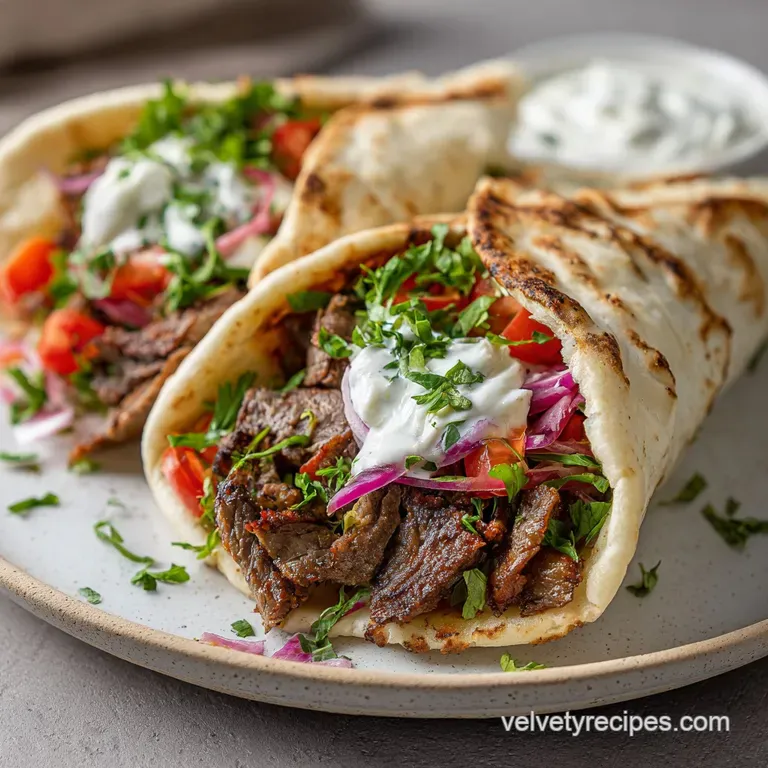
- Season the meat. Combine the ground lamb, ground beef, salt, pepper, oregano, marjoram, cumin, rosemary, garlic, and the squeezed dry onion in a large bowl.
- Bind the proteins. Mix everything thoroughly by hand for about 2 to 3 minutes until it starts to feel slightly tacky. Note: This initial mix starts the seasoning distribution.
- Chill the mixture. Refrigerate the bowl for 30 minutes. Note: This allows the salt to begin breaking down the meat fibers.
- Emulsify the paste. Transfer the chilled meat to a food processor and pulse a few times to break it up, then process on high for 60 to 90 seconds. Note: It should look like a pale, fine paste.
- Prep the oven. Preheat your oven to 325°F (165°C).
- Pack the pan. Press the meat paste firmly into a 9x5 inch loaf pan, ensuring you push it into the corners to remove air pockets.
- Bake the loaf. Place the pan in the oven and bake for approximately 60 minutes. Note: Use a meat thermometer to ensure the internal temp hits exactly 165°F (74°C).
- Drain and cover. Remove from the oven and carefully pour off the liquid fat. Cover the top of the meat tightly with aluminum foil.
- Apply the pressure. Place a second loaf pan directly on the foil and weigh it down with heavy cans.
- Rest and compress. Let the meat sit undisturbed for 30 minutes. Note: This sets the shape and finishes the texture.
- Slice and sear. Remove the meat from the pan and slice as thinly as possible against the grain. Note: For the best flavor, sear the slices in a hot skillet for 1 minute per side until they sizzle.
Troubleshooting Your Meat Texture
If this is your first time making how to make gyro meat at home, you might run into a couple of hiccups. Most issues come down to either the moisture level or the processing time. The meat should be a very fine paste before it goes into the oven.
If you can still see distinct grains of ground beef, it hasn't been processed long enough.
Why the meat crumbles
If your slices are falling apart, it usually means the protein bond wasn't strong enough. This happens if the meat wasn't cold when processed or if the weighting step was skipped. The weights are not optional! They literally fuse the meat fibers together while the proteins are still warm and pliable.
| Problem | Root Cause | Solution |
|---|---|---|
| Spongy Texture | Too much onion juice | Squeeze the grated onion in a towel first |
| Dry Meat | Overbaked or too lean | Pull at exactly 165°F and use 80/20 beef |
| Greasy Finish | Didn't drain fat | Pour off rendered fat before weighting |
Common Mistakes Checklist
- ✓ Never skip the 30 minute fridge rest; the salt needs that time to work its magic.
- ✓ Ensure the onion is as dry as possible to prevent a "steamed" internal texture.
- ✓ Don't overcrowd the food processor; process in batches if your machine is small.
- ✓ Use a thermometer; even 5 degrees over can make the lamb feel grainy.
- ✓ Always sear the slices before serving to get that "shatter" crunch on the edges.
Healthy and Dietary Modifications
This authentic lamb gyro meat recipe is naturally keto friendly and low carb since it contains no breadcrumbs or fillers. However, if you want to lighten things up, you can play with the protein ratios. Just keep in mind that leaner meats will result in a firmer, slightly less velvety texture.
For a beef free version, you can go 100% lamb, but it will be very rich and "lamby." Conversely, an easy ground beef gyro meat version using only beef is possible, but you’ll miss that signature Mediterranean funk.
If you’re watching your salt, be careful about reducing it too much, as the salt is structural in this recipe, not just for flavor.
| Original Ingredient | Substitute | Why It Works |
|---|---|---|
| Ground Lamb | Ground Turkey (dark) | Lower fat, but dark meat keeps it moist |
| Dried Marjoram | Extra Oregano + Thyme | Similar earthy and floral profile |
| White Onion | Onion Powder (2 tsp) | Good for flavor if you hate grating onions |
Reducing the fat content by using turkey is a valid move if you're meal prepping for a specific diet. Just be sure to add a teaspoon of olive oil to the mix to help the emulsification along, or the turkey might end up feeling a bit like rubber.
Storage and Reheating Guidelines
Storing your homemade greek gyro meat is incredibly easy because it’s so dense. It actually slices better after it has been fully chilled in the fridge overnight. If you're planning for a big party, make the loaf a day ahead, keep it whole in the fridge, and slice it cold right before you're ready to hit the skillet.
- Fridge
- Wrap the whole loaf or individual slices tightly in foil or plastic wrap. It will stay fresh for up to 4 days.
- Freezer
- This meat freezes beautifully. I like to slice it first, then freeze the slices with pieces of parchment paper in between. It lasts for 2 to 3 months.
- Reheating
- Avoid the microwave if you can. The best way to reheat is in a hot cast iron skillet with a tiny drop of oil. You want to hear that sizzle immediately. It only takes about 60 seconds per side to get it hot and crispy.
Zero Waste Tip: Don't toss those tiny scraps that break off while slicing! Toss them into an omelet the next morning with some feta cheese and spinach. The rendered lamb fat you drained off can also be used to roast potatoes for an incredible side dish.
Serving and Pairing Suggestions
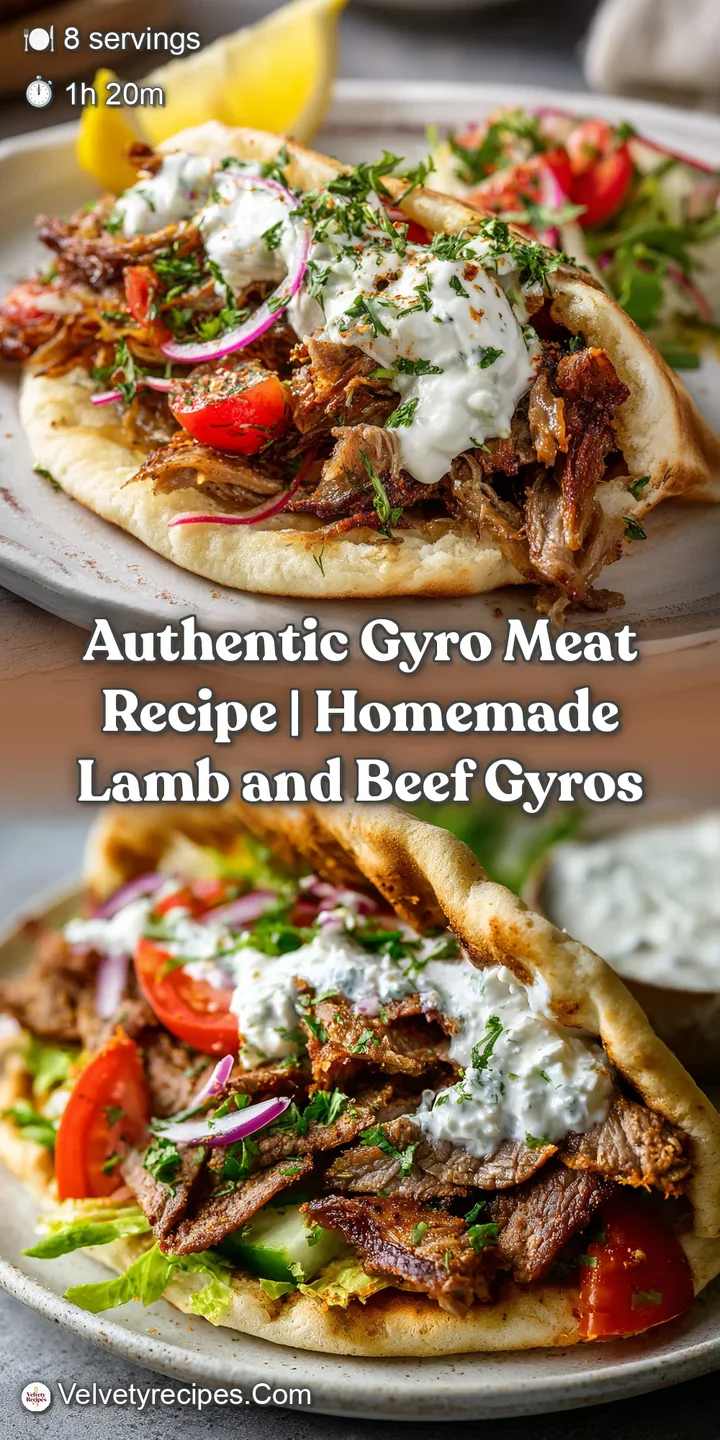
The best gyro meat recipe deserves the best accompaniments. Traditionalists will tell you that a gyro is nothing without a thick, garlicky tzatziki sauce and a few slices of fresh red onion. I personally love adding a few fries inside the pita, which is how they often serve them in Greece.
It adds a starchy crunch that is just heavenly.
If you’re looking for a lower carb way to eat this, skip the pita and make a "Gyro Bowl." Start with a base of cauliflower rice or a simple Greek salad with cucumbers, tomatoes, and kalamata olives. Top it with the seared meat and a big dollop of hummus.
The combination of the hot, salty meat and the cold, crisp vegetables is the ultimate comfort food balance.
For a complete feast, serve this alongside some lemon oregano roasted potatoes. The acidity of the lemon cuts through the richness of the lamb perfectly. And honestly, don't forget the feta.
A good, salty sheep’s milk feta crumbled over the meat while it’s still hot from the pan is a literal game changer for your taste buds. Trust me, once you see how easy it is to get this texture at home, you'll never settle for the frozen pre sliced stuff again.
It’s hearty, authentic, and makes your kitchen smell like a Mediterranean paradise. Enjoy the sizzle!
Recipe FAQs
What is gyro meat made of?
It is a structured mixture of ground lamb and ground beef. These proteins are seasoned with kosher salt, black pepper, oregano, marjoram, cumin, rosemary, garlic, and onion before being processed into a fine paste.
Is it true that gyro meat is 100% lamb?
No, this is a common misconception. Authentic gyro meat relies on a blend of ground lamb and 80/20 ground beef to achieve the correct flavor profile and structural fat content.
Can a diabetic eat gyros?
It depends on your dietary plan. While this recipe contains only meat and spices with no added sugars or carbohydrates, you should consult with your healthcare provider regarding your specific portion limits and the accompanying sides.
What is the most popular sandwich in Greece?
The gyro is arguably the most iconic street food sandwich in Greece. It typically consists of these slow cooked meat slices served inside warm pita bread with various traditional accompaniments.
How to ensure the gyro meat has the right texture?
Pulse and process the chilled mixture on high for 60-90 seconds. You must continue until the meat transforms into a pale, tacky, and very fine paste rather than looking like standard ground meat.
How to cook the gyro loaf to the correct doneness?
Preheat your oven to 325°F and bake the loaf for approximately 60 minutes. You must use a meat thermometer to ensure the internal temperature reaches exactly 165°F before removing it from the oven.
How to get clean slices from the finished loaf?
Weight the loaf down with heavy cans or a brick after baking to compress the fibers. Let it rest for 30 minutes under this weight, then slice thinly against the grain for the best results.
Homemade Beef And Lamb Gyro
Ingredients:
Instructions:
Nutrition Facts:
| Calories | 307 kcal |
|---|---|
| Protein | 19.4 g |
| Fat | 18.2 g |
| Carbs | 1.8 g |
| Fiber | 0.6 g |
| Sugar | 0.4 g |
| Sodium | 612 mg |
