Chicken Piccata: Tangy Lemon Sauce
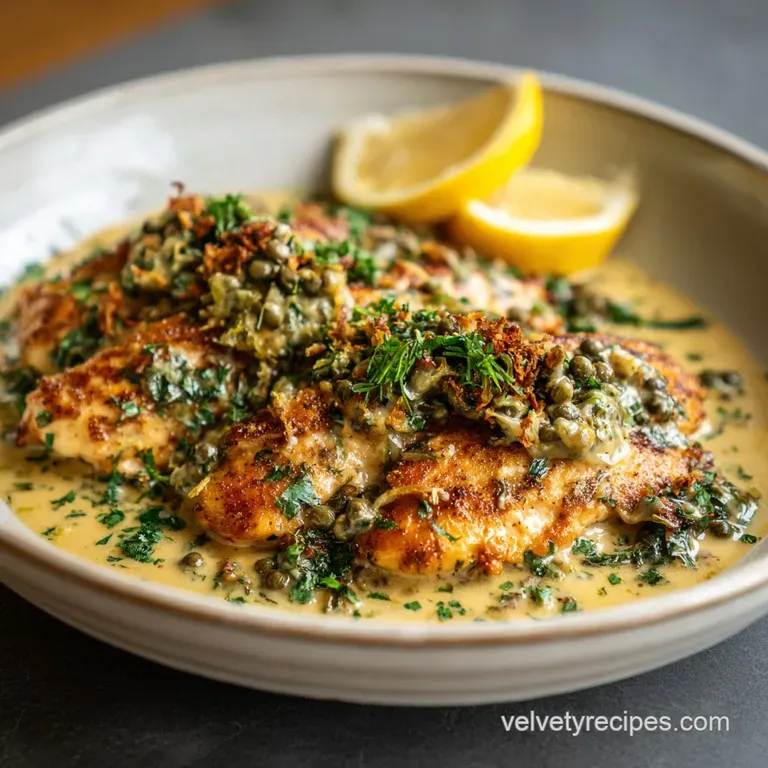
- Time: Active 10 minutes, Passive 10 minutes, Total 20 minutes
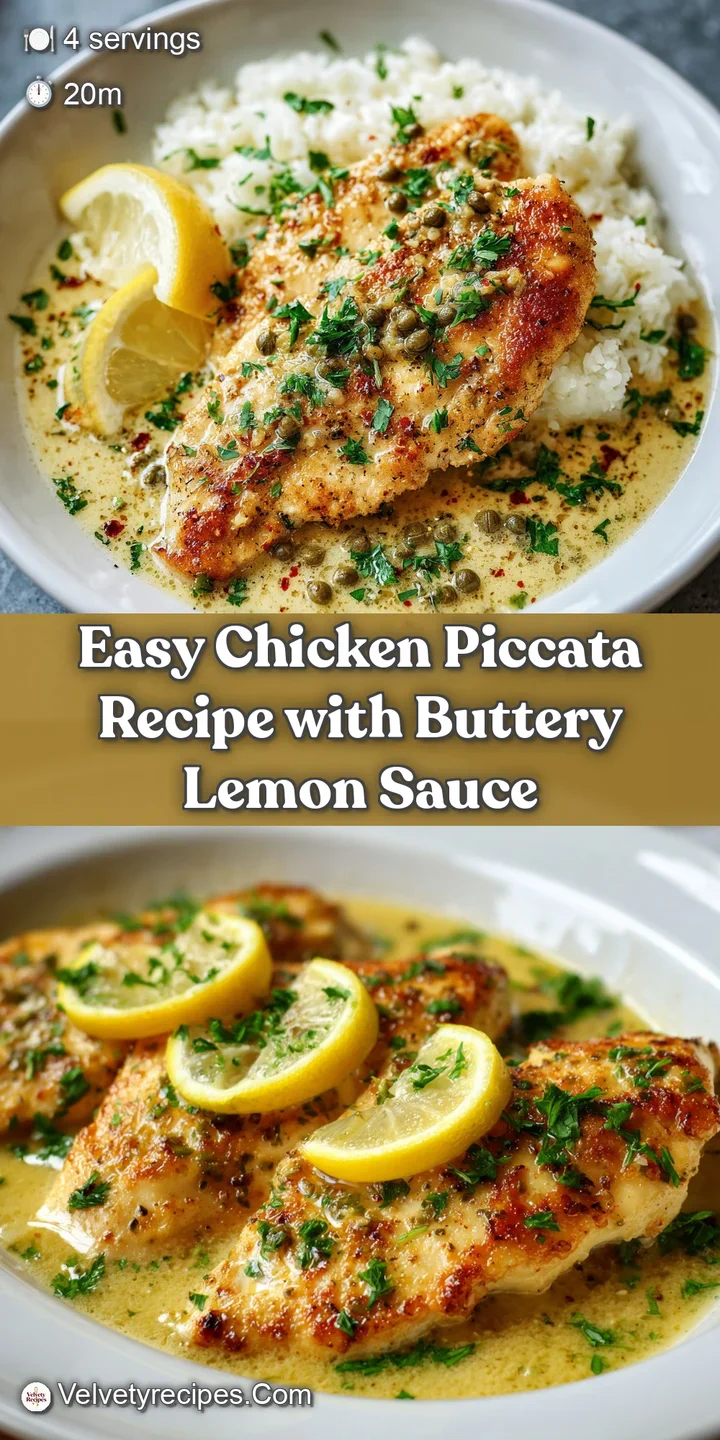
- Flavor/Texture Hook: Tangy, velvety sauce with crispy edges
- Perfect for: Quick weeknight dinners or impressive date nights
- Master This Zesty Chicken Piccata Recipe
- The Secret to Tangy Pan Sauce
- Component Analysis and Ingredient Science
- Budget Ingredients and Smart Subs
- Essential Tools for Golden Searing
- Step by Step Searing Guide
- Fixing Common Sauce Mistakes
- Flavor Variations and Dietary Needs
- Storage and Zero Waste Tips
- Best Chicken Piccata Side Dishes
- High in Sodium
- Recipe FAQs
- 📝 Recipe Card
Master This Zesty Chicken Piccata Recipe
The first time I tried making this, I basically turned my kitchen into a lemon scented smoke zone because I didn't pound the chicken thin enough. I was rushing, the pan was screaming hot, and I ended up with charred outsides and raw middles.
But even then, that aroma of browning butter hitting the salty capers was enough to make me keep trying. It's one of those dishes that feels incredibly fancy but actually relies on a few cheap pantry staples.
We've all been there, staring at a pack of chicken breasts wondering how to make them not boring. This is the answer. It’s all about that sizzle when the floured meat hits the oil and the way the sauce comes together in the same pan, scraping up all those golden bits of flavor.
You’ll get a result that feels like a splurge but fits right into a budget friendly weekly rotation.
Trust me, once you see how easy it is to get that glossy, restaurant style finish at home, you'll never order it out again. We’re going to focus on getting that perfect golden crust and a sauce that’s bright enough to wake up your taste buds without being too sharp.
Let’s get into the kitchen and make some magic happen.
The Secret to Tangy Pan Sauce
- Surface Area Optimization: Pounding the meat to 1/4 inch thickness ensures it cooks in under three minutes, keeping it juicy while maximizing the crispy flour coating.
- Deglazing Chemistry: Using white wine to lift the "fond" (brown bits) off the pan integrates concentrated chicken flavors directly into the liquid base.
- Cold Butter Emulsification: Adding chilled butter at the very end creates a velvety, stable sauce that coats the back of a spoon instead of separating into oil.
- Acid Balance: The combination of lemon juice and briney capers cuts through the rich butter, providing a balanced profile that isn't too heavy.
| Thickness | Internal Temp | Rest Time | Visual Cue |
|---|---|---|---|
| 1/4 inch | 165°F (74°C) | 3 minutes | Opaque white throughout |
| 1/2 inch | 165°F (74°C) | 5 minutes | Golden brown exterior |
| 1 inch | 165°F (74°C) | 7 minutes | Firm to the touch |
Getting the thickness right is the most important part of the whole process. If the pieces are uneven, some will be dry while others are underdone. I usually put the chicken between two sheets of plastic wrap and use the bottom of a heavy skillet to even them out.
It’s a great way to get out some frustration after a long day at work too!
Component Analysis and Ingredient Science
| Ingredient | Science Role | Pro Secret |
|---|---|---|
| All Purpose Flour | Maillard Reaction | Sift the flour first to avoid clumps on the chicken. |
| Unsalted Butter | Emulsifier | Keep it in the fridge until the moment you need it. |
| Dry White Wine | Solvent | Use a Pinot Grigio for its high acidity and clean finish. |
While we're talking about getting that flavor just right, it’s worth mentioning that this technique of pan searing and deglazing is a staple in my kitchen. If you love this bright citrus profile, you should definitely check out my Baked Lemon Pecorino recipe for a different take on crispy chicken. It uses a similar logic but moves the party to the oven for a hands off finish.
Budget Ingredients and Smart Subs
- 1 lb boneless skinless chicken breasts: Halved and pounded to 1/4 inch thickness. Why this? Pounding makes a small amount of meat look like a huge portion.
- 1/2 cup all purpose flour: For dredging. Why this? Creates the necessary "fond" for the sauce to cling to later.
- 1 tsp kosher salt: For seasoning.
- 1/2 tsp freshly cracked black pepper: For a bit of bite.
- 2 tbsp extra virgin olive oil: For over high heat searing.
- 4 tbsp unsalted butter, divided: Two for searing, two for the sauce finish.
- 1/3 cup dry white wine: Pinot Grigio or Sauvignon Blanc work best.
- 1/2 cup low sodium chicken stock: Provides the savory base for the liquid.
- 3 tbsp fresh lemon juice: The star of the show for brightness.
- 3 tbsp capers, drained and rinsed: Adds pops of salt and texture.
- 1/4 cup fresh parsley, finely chopped: For a fresh, earthy finish.
| Original Ingredient | Substitute | Why It Works |
|---|---|---|
| Dry White Wine | Extra Chicken Stock + 1 tsp Vinegar | Maintains the volume and acidity without the cost of a bottle. |
| Capers | Chopped Green Olives | Provides a similar salty, briny punch for a lower price point. |
| Chicken Breast | Thawed Frozen Chicken Thighs | Thighs stay juicier and are often cheaper per pound. Note: Texture is softer. |
If you're looking for another way to use up chicken breasts that feels totally different but just as satisfying, my Cowboy Butter Chicken recipe is a fantastic choice. It swaps the lemon and capers for a garlic heavy, herb infused butter that is basically addictive. It’s also a great way to practice your pan searing skills before tackling the delicate sauce of a piccata.
Essential Tools for Golden Searing
You don't need a bunch of fancy gear, but a large stainless steel or cast iron skillet is your best friend here. Non stick pans are okay in a pinch, but they don't develop those lovely brown bits on the bottom that make the sauce taste so rich.
You also want a good set of tongs to flip the chicken without tearing that delicate flour coating.
A meat mallet or even a heavy rolling pin is necessary for pounding the chicken thin. If you don't have one, just use the bottom of a heavy pot. The goal is even thickness, not total destruction! Finally,, a fine mesh strainer is helpful for rinsing your capers so they don't bring too much extra salt into the party.
step-by-step Searing Guide
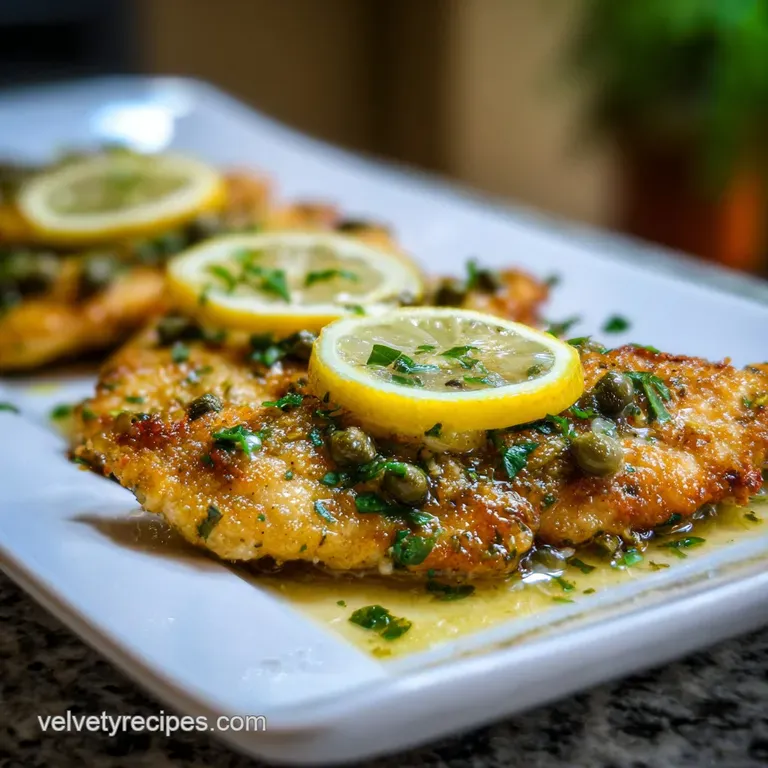
Prep the Poultry
Slice the 1 lb chicken breasts in half lengthwise to create thinner cutlets. Place them between plastic wrap and pound them to 1/4 inch thickness. Note: This ensures the chicken cooks at the same speed as the sauce reduces.
The Flour Dredge
Mix 1/2 cup flour with 1 tsp salt and 1/2 tsp pepper in a shallow dish. Dredge each piece of chicken in the flour, shaking off the excess. Note: Only dredge right before cooking or the flour will turn gummy.
The Golden Sear
Heat 2 tbsp oil and 2 tbsp butter in a large skillet over medium high heat. Add chicken pieces until they are golden brown, about 3 minutes per side. Note: Do not overcrowd the pan; work in batches if needed.
Build Pan Sauce
Remove chicken to a plate and pour 1/3 cup white wine into the skillet. Scrape the bottom of the pan with a wooden spoon until the brown bits dissolve.
Reduce the Liquids
Add 1/2 cup chicken stock, 3 tbsp lemon juice, and 3 tbsp capers to the pan. Simmer for 3 to 5 minutes until the liquid reduces by half.
The Finishing Touch
Whisk in the remaining 2 tbsp of cold butter. Stir constantly until the sauce becomes glossy and thick.
Return and Coat
Place the chicken back into the skillet. Spoon the sauce over the meat until every piece is thoroughly coated.
Final Garnish
Sprinkle 1/4 cup fresh parsley over the top. Serve immediately while the sauce is at its peak silkiness.
Fixing Common Sauce Mistakes
My Sauce is Thin
If your sauce looks more like soup than a glaze, you probably didn't let the liquids reduce enough before adding the butter. The stock and wine need to concentrate their flavors and volume first.
If it's already finished, you can whisk in a tiny bit of flour mixed with water, but it’s better to just let it simmer longer next time.
Crust is Falling Off
This usually happens if the pan wasn't hot enough or if you moved the chicken too early. The flour needs to "set" in the hot fat to create a bond with the meat. If you try to flip it before it’s naturally released from the pan, you’ll leave the best part of the crust behind.
Sauce Tastes Bitter
Using bottled lemon juice or accidentally getting lemon pith (the white part) into the pan can cause a bitter aftertaste. Stick to fresh lemons and only use the juice and the very top layer of zest if you want extra punch. Over reducing the wine can also concentrate some bitter notes, so keep an eye on that heat.
| Problem | Root Cause | Solution |
|---|---|---|
| Gray, soggy chicken | Pan was too cold | Wait for the oil to shimmer before adding meat. |
| Greasy sauce | Butter was too warm | Use butter straight from the fridge for the final step. |
| Salt overload | Capers weren't rinsed | Always rinse capers to remove excess packing brine. |
Common Mistakes Checklist
- ✓ Pat chicken completely dry with paper towels before dredging in flour.
- ✓ Ensure the butter used for the final emulsion is ice cold from the fridge.
- ✓ Don't use a non stick pan if you want the best flavor from the brown bits.
- ✓ Only dredge the chicken in flour seconds before it hits the hot oil.
- ✓ Avoid crowding the pan so the chicken sears rather than steams.
Flavor Variations and Dietary Needs
If you're cooking for a crowd, scaling this recipe is pretty straightforward. For doubling the recipe, use a second pan or work in batches so you don't drop the pan temperature too much.
When scaling down for one or two people, just halve the ingredients, but keep an eye on the sauce reduction time as it will happen much faster in a large pan.
| Feature | Fast Method (20 mins) | Classic Method (45 mins) |
|---|---|---|
| Preparation | Pounded thin for speed | Thick cutlets, slow braise |
| Sauce Base | Quick wine reduction | Homemade stock reduction |
| Finish | Fresh parsley only | Infused herb oils |
Chicken Piccata Pasta Recipe
If you want a heartier meal, toss some al dente linguine or angel hair pasta directly into the pan at the very end. You might want to double the sauce ingredients (wine, stock, lemon, and butter) to make sure there’s enough liquid to coat the noodles properly without drying out the chicken.
The Creamy Twist
For a richer version, stir in 2 tablespoons of heavy cream right before adding the cold butter at the end. This mellows the lemon's sharpness and creates a "velvety" texture that's reminiscent of a lemon butter pasta sauce. It’s not traditional, but it is incredibly comforting on a cold night.
gluten-free Substitution
You can easily swap the all purpose flour for a 1 to-1 gluten-free flour blend or even cornstarch. Cornstarch will produce an even crispier, "shatter" like crust, though it won't create as much "fond" for the sauce. If using cornstarch, use about half the amount called for in the recipe.
Alcohol Free Version
If you prefer not to cook with wine, just replace the 1/3 cup of wine with an equal amount of chicken stock and an extra teaspoon of white wine vinegar or lemon juice. This provides the necessary acidity to balance the fats without the alcohol content.
Storage and Zero Waste Tips
Chicken Piccata is definitely best served immediately because the crispy coating will eventually soften as it sits in the sauce. However, you can store leftovers in an airtight container in the fridge for up to 3 days.
To reheat, I recommend using a skillet over medium low heat with a splash of water or stock to loosen up the sauce. Avoid the microwave if you can, as it tends to make the chicken "chewy" and separates the butter sauce.
For a zero waste approach, don't throw away those lemon halves after squeezing them! Throw them into a jar of white vinegar for a week to make a natural, citrus scented kitchen cleaner. If you have extra parsley stems, tuck them into a freezer bag for the next time you make homemade chicken stock.
Even the leftover flour dredge can be used to thicken a soup later in the week if you cook it out properly.
Best Chicken Piccata Side Dishes
The Classic Pairing
You honestly can't beat a pile of buttery noodles or a scoop of creamy polenta to soak up every last drop of that lemon caper sauce. It's the standard for a reason. The starch acts as a neutral canvas that lets the bright, acidic notes of the piccata really sing.
I also love serving this with a simple piece of crusty bread to wipe the plate clean.
The Low Carb Option
If you're keeping things light, try serving the chicken over a bed of sautéed spinach or zoodles. The heat from the chicken will slightly wilt the greens, and the sauce acts as an instant dressing.
Roasted asparagus or steamed broccoli are also fantastic choices that provide a nice crunch to contrast the tender meat.
Searing meat does not actually "seal in juices" as the old kitchen myth suggests. The reason we sear is for the Maillard reaction, which creates hundreds of new flavor compounds on the surface of the meat.
Moisture loss actually increases at higher temperatures, which is why we pound the chicken thin to ensure it cooks through before the interior has a chance to dry out completely.
Another common myth is that you must use expensive wine. In reality, the subtle nuances of a high end bottle are lost once you boil it down and add lemon and capers. A decent, crisp dry white that you would actually enjoy a glass of is all you need.
Save the "million dollar" bottle for the table and use the budget friendly stuff for the pan.
High in Sodium
890 mg mg of sodium per serving (39% % of daily value)
The American Heart Association recommends limiting sodium intake to no more than 2,300mg per day for most adults.
Tips to Reduce Sodium in Chicken Piccata
-
Broth Swap-30%
Use no-sodium chicken broth instead of low-sodium broth. This can significantly reduce the overall sodium content of the dish.
-
Salt Control-25%
Eliminate the 1 tsp of kosher salt from the flour mixture. You can always add a pinch of salt at the end, to taste, if needed.
-
Rinse Capers Thoroughly-20%
Even though you're already rinsing the capers, rinse them under cold water for at least a minute to remove even more sodium.
-
Boost Lemon Flavor-10%
Increase the amount of fresh lemon juice by 1-2 tablespoons to enhance the acidity and flavor, potentially reducing the need for salt.
-
Herb Power
Experiment with other fresh herbs like oregano, thyme, or chives to add complexity and flavor without increasing sodium. Use generously!
Recipe FAQs
What is chicken piccata made of?
Thinly pounded chicken cutlets, flour, butter, lemon juice, and capers. The sauce relies on deglazing the pan with dry white wine and chicken stock before emulsifying with chilled butter.
What does piccata mean?
It refers to the style of preparation, not a specific ingredient. In cooking, "piccata" generally means thinly sliced meat or fish that is dredged in flour, lightly sautéed, and served with a sauce often made from lemon juice, butter, and capers.
What is the secret to a good chicken piccata?
Pounding the chicken to a uniform 1/4 inch thickness is critical. This ensures the quick sear develops a perfect crust without drying out the interior, which is essential for maximizing the Maillard reaction flavor.
What is the difference between chicken marsala and piccata?
The defining liquids and flavor profiles are different. Marsala uses sweet Marsala wine and mushrooms for an earthy, savory sauce, whereas piccata uses dry white wine, lemon, and capers for a bright, tangy sauce.
How to prevent the sauce from breaking or looking greasy?
Add the final butter off the heat using cold, cubed butter. Whisk vigorously to create a stable emulsion; if you add warm butter or keep the heat high, the sauce will separate into oil and liquid.
Can I use bottled lemon juice instead of fresh?
No, always use fresh lemon juice for the best flavor. Bottled juice often contains preservatives that impart a dull, sometimes metallic taste that ruins the necessary brightness of the piccata sauce.
How to make a non-alcoholic version of chicken piccata?
Replace the dry white wine with equal parts good quality chicken stock plus one teaspoon of white wine vinegar. This substitution provides the necessary acidity to balance the richness, much like the acid balance we control when making our Chick fil-A Lemonade recipe.
Quick Chicken Piccata Recipe
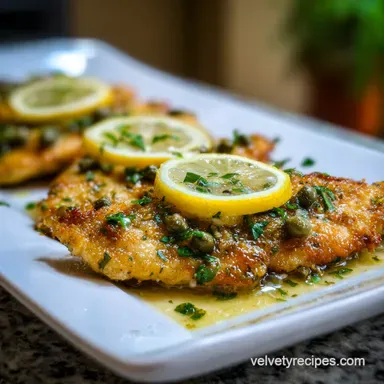
Ingredients:
Instructions:
Nutrition Facts:
| Calories | 402 kcal |
|---|---|
| Protein | 35.8 g |
| Fat | 22.3 g |
| Carbs | 7.5 g |
| Fiber | 0.6 g |
| Sugar | 0.4 g |
| Sodium | 890 mg |
