Sauteed Eggplant: Silky and Golden
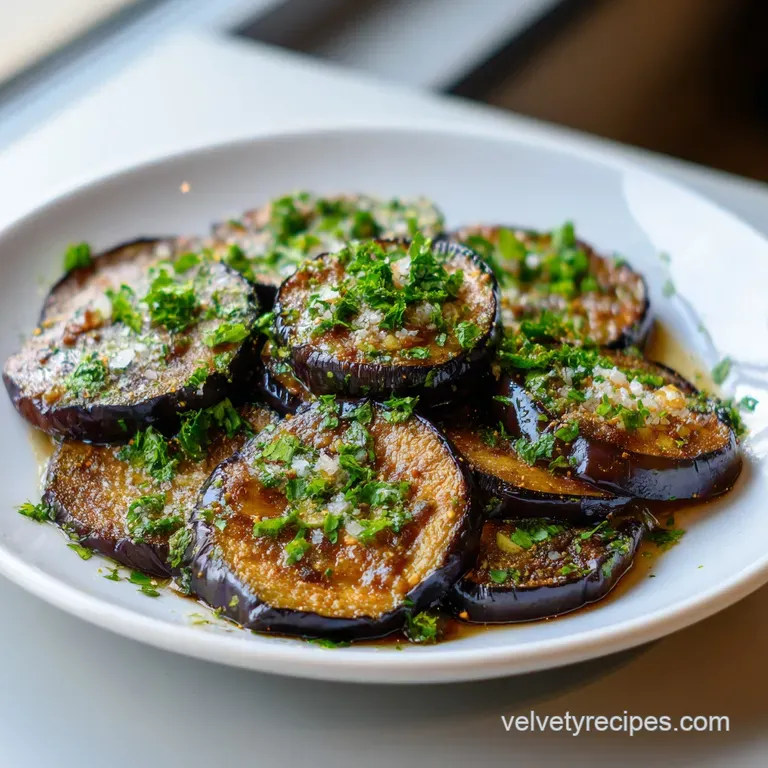
- Time: Active 10 minutes, Passive 15 minutes, Total 25 minutes
- Flavor/Texture Hook: Silky, tender centers with a golden brown exterior and a tangy balsamic kick.
- Perfect for: Quick weeknight side dish or a hearty plant based topping for grain bowls.
- Mastering the Art of Perfect Sauteed Eggplant Every Time
- Essential Techniques for Achieving the Best Possible Texture
- Component Analysis and Selection
- What You Will Need for This Dish
- Essential Tools for the Home Cook
- Step by Step Cooking Instructions
- Common Mistakes & Troubleshooting
- Adjusting the Recipe for Large Crowds
- Debunking Kitchen Myths
- Storage and Zero Waste Tips
- Presentation and Finishing Touches
- Recipe FAQs
- 📝 Recipe Card
Mastering the Art of Perfect Sauteed Eggplant Every Time
Whenever I smell garlic hitting hot oil alongside the earthy scent of browning eggplant, I am immediately transported back to a tiny kitchen in Sicily. Eggplant is the undisputed king of Mediterranean "cucina povera" or peasant cooking.
It was the "poor man's meat" because it has this incredible ability to soak up flavors and provide a satisfying, hearty texture that rivals any protein. I remember watching an old nonna slice globe eggplants with such speed, her hands weathered but precise, and she told me that the secret wasn't in the spice, but in how you treated the vegetable before it ever touched the flame.
In my early days as a home cook, I made every mistake in the book with this dish. I ended up with eggplant that was either a soggy, gray sponge or a grease laden brick that felt like eating a spoonful of oil.
It took me a dozen tries to realize that Sauteed Eggplant isn't just about tossing things in a pan, it's about managing the unique cellular structure of the vegetable itself. We are dealing with a biological sponge, and once you understand how to collapse those air pockets, you unlock a texture that is truly like a million dollars.
Today, I want to share the method that actually works in a real home kitchen. We aren't going to spend hours hovering over the stove. We are going to use 15 minutes of passive time to prep the eggplant so that the actual cooking only takes 10 mins.
This is the version I make when I want something that feels fancy but fits into a busy Tuesday night. It’s hearty, accessible, and honestly, once you try the balsamic finish, you’ll never go back to plain salt and pepper again.
Essential Techniques for Achieving the Best Possible Texture
Collapsing the Spongy Cell Structure
Eggplant is famously porous, filled with tiny air pockets that act like a vacuum for oil. If you skip the salting step, the eggplant will drink up every drop of fat in the pan, leaving the vegetable dry and the dish feeling heavy. When we apply salt, we are using osmosis to draw out the moisture from these cells.
This causes the internal structure to collapse. Once the "sponge" is flattened, the eggplant can no longer absorb excessive oil, allowing it to sear and become velvety rather than greasy.
Managing Moisture for Success
After the salting process, the exterior of the eggplant is covered in a brine of extracted water and bitter juices. If you put that directly into the pan, the eggplant will steam instead of sear. Rinsing off the salt is vital, but the real trick is the drying process. You have to pat those cubes bone dry.
I usually use two or three layers of paper towels and give them a firm squeeze. This ensures that the moment the vegetable hits the avocado oil, you get a shatter crisp edge instead of a mushy gray skin.
Exploiting the Maillard Reaction
To get that deep, golden brown crust, we need heat and patience. Eggplant needs a single layer in the pan to breathe. If you overcrowd the skillet, the temperature drops and the moisture released from one cube will steam its neighbor.
By letting the cubes sit undisturbed for the first 3-4 minutes, we allow the natural sugars in the vegetable to caramelize. This creates a complex, savory flavor profile that balances the natural sweetness of the globe eggplant.
| Cooking Method | Time | Texture Result | Best For |
|---|---|---|---|
| Traditional Saute | 10 minutes | Silky and golden | Quick weeknight sides |
| Air Fryer | 12 minutes | Crispy and firm | Oil free snacking |
| oven-roasted | 20 minutes | Soft and jammy | Large batch meal prep |
Choosing the right method depends on your goals for the evening. While roasting is great for hands off cooking, the sauté method we are using today provides the most control over the aromatics. You get that direct contact with the garlic and onion, which infuses the oil and, subsequently, the eggplant itself. For a different take on quick vegetables, you might enjoy this Sauteed Vegetables recipe which uses a similar over high heat technique for a crisp finish.
Component Analysis and Selection
| Ingredient | Science Role | Pro Secret |
|---|---|---|
| Globe Eggplant | Bulk & Texture | Choose one that feels heavy for its size and has shiny, taut skin. |
| Avocado Oil | Heat Transfer | High smoke point allows for searing without the oil breaking down and tasting burnt. |
| Balsamic Vinegar | Acid Balance | The sugars in the vinegar caramelize at the very end, adding a glossy sheen. |
Selecting your eggplant is the first step toward success. Look for a vegetable that doesn't have soft spots or wrinkles. A fresh eggplant should have a green, vibrant stem. If the stem is brown and shriveled, the seeds inside are likely large and bitter, which can ruin the delicate balance of the dish.
What You Will Need for This Dish
- 1.5 lb globe eggplants: Cut into 1 inch cubes. Why this? Globe eggplants have a meaty texture that holds up well during a over high heat sauté.
- 1 tsp Kosher salt: Used for the sweating process. Why this? Large grains draw out moisture effectively without over salting the interior.
- 3 tbsp avocado oil: For the sear. Why this? It has a neutral flavor and a high smoke point of 520°F (270°C).
- 4 cloves garlic: Thinly sliced. Why this? Slicing instead of mincing prevents the garlic from burning during the 5-6 minute cook time.
- 0.5 medium yellow onion: Diced. Why this? Adds a foundational sweetness and aroma to the base oil.
- 1 tsp dried oregano: For herbiness. Why this? Dried oregano stands up better to heat than fresh during the sauté process.
- 1 tbsp balsamic vinegar: To finish. Why this? Provides the necessary acidity to cut through the richness of the oil.
Easy Substitutions
| Original Ingredient | Substitute | Why It Works |
|---|---|---|
| Avocado Oil | Grapeseed Oil | Neutral flavor with a high smoke point. |
| Globe Eggplant | Italian Eggplant | Smaller and sweeter, but reduces cook time by 2 minutes. |
| Balsamic Vinegar | Red Wine Vinegar | Adds acidity but lacks the sweet caramel notes of balsamic. |
Using a high-quality oil is non negotiable here. I’ve tried using butter, but it burns far too quickly at the temperatures we need to get a proper sear on the eggplant. If you want a buttery flavor, you can always toss in a tiny knob of butter in the final 30 seconds of cooking, but the heavy lifting should be done by the avocado oil.
Essential Tools for the Home Cook
To get this dish right, you don't need a kitchen full of gadgets, but a couple of items make a huge difference. First, a large heavy bottomed skillet is essential. I prefer a 12 inch cast iron or a heavy stainless steel pan.
These materials hold heat much better than thin aluminum, which means the pan won't cool down the moment the cold eggplant hits it.
You will also need a colander for the salting process. This allows the moisture to actually drip away from the eggplant rather than letting the cubes sit in a puddle of their own bitter juices.
Finally, a good supply of paper towels or a very clean, lint free kitchen towel is required for the drying phase. Don't underestimate the power of a dry vegetable it is the difference between a golden crust and a soggy mess.
step-by-step Cooking Instructions
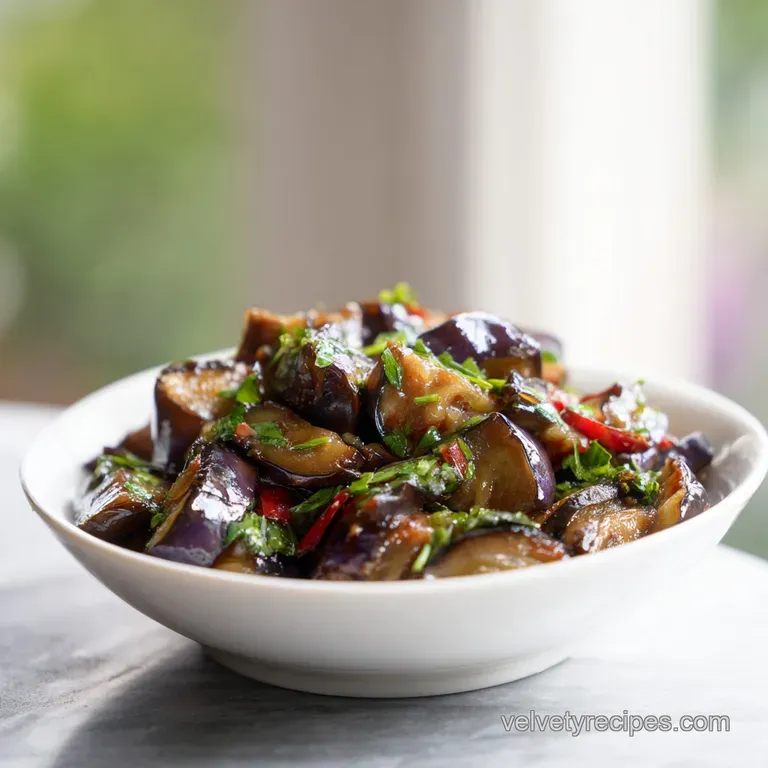
- Place the 1.5 lb of cubed eggplant in a colander and sprinkle with 1 teaspoon of Kosher salt. Let it sit for 15 minutes until beads of moisture appear on the surface. Note: This is the osmosis phase where the cells collapse.
- Rinse the eggplant cubes quickly under cold water to remove the excess surface salt.
- Pat the cubes bone dry using paper towels, squeezing gently to ensure no moisture remains.
- Heat your large heavy bottomed skillet over medium high heat for 2-3 minutes.
- Add the 3 tablespoons of avocado oil to the hot pan, swirling to coat the surface.
- Add the eggplant in a single layer. Let the pieces sit undisturbed for 3-4 minutes until the bottoms are deeply golden brown. Note: Resist the urge to shake the pan too early!
- Add the 0.5 diced yellow onion and 4 cloves of thinly sliced garlic to the skillet.
- Toss the mixture and continue to sauté for another 5-6 minutes until the eggplant is tender and the onions are translucent.
- Stir in the 1 tsp of dried oregano and drizzle the 1 tbsp of balsamic vinegar over everything.
- Toss one last time to coat and serve immediately while the edges are still crisp and the aroma is sharp.
Chef's Tip: If you find the eggplant is sticking too much, don't just add more oil. Add a splash of water (about 1 tablespoon) and cover the pan for 30 seconds. The steam will release the bits from the bottom without making the dish greasy.
Common Mistakes & Troubleshooting
Why Your Eggplant Is Spongy
If your eggplant feels like a piece of foam even after cooking, you likely skipped the salting or drying step. Without drawing out the moisture and collapsing the cells, the eggplant retains its airy structure. This structure prevents the heat from penetrating the center efficiently.
Always give the salt at least 15 minutes to do its work.
Fixing Excessive Oil Absorption
If the pan looks dry and the eggplant seems to have "eaten" all the oil, don't panic and pour in more. This usually happens if the pan wasn't hot enough when you added the vegetables. The eggplant starts absorbing oil before the exterior can sear shut.
To fix this, increase the heat slightly and add a tablespoon of water or broth to help the internal moisture cook the vegetable from the inside out.
Rescuing Underdone Centers
Sometimes the outside looks perfect, but the inside still has a bit of a "crunch" or raw white texture. This happens if the heat was too high, searing the outside before the inside could soften. To fix this, turn the heat down to medium low, add a lid to the pan, and let it steam for 2 minutes.
The trapped heat will finish the interior without burning the crust.
| Problem | Root Cause | Solution |
|---|---|---|
| Soggy/Greasy | Pan was too crowded or not hot enough | Cook in batches and ensure the oil is shimmering before adding veg. |
| Bitter Taste | Old eggplant or skipped the rinse | Use fresh eggplant and always rinse salt/bitter juice away. |
| Burnt Garlic | Added garlic too early | Only add aromatics once the eggplant has already seared for 3-4 minutes. |
Common Mistakes Checklist
- ✓ Choose an eggplant that is firm and shiny; dull skin means it's past its prime.
- ✓ Never skip the 15 minute salting window; it's the key to the entire texture.
- ✓ Use a over high heat oil like avocado or grapeseed; olive oil can smoke and turn bitter.
- ✓ Ensure the eggplant is in a single layer; work in two batches if your pan is small.
- ✓ Pat the eggplant completely dry; water is the enemy of a golden sear.
Adjusting the Recipe for Large Crowds
Scaling Up for a Party
When you want to double this recipe for a family gathering, the biggest mistake is using a single pan. Two pounds of eggplant will never sear properly in one 12 inch skillet. You will end up with a mound of steamed vegetables. Instead, use two separate pans or work in batches.
If you double the recipe, keep the salt and balsamic at the original ratio initially, then taste and adjust. Spices like oregano don't always need to be doubled exactly; starting at 1.5x is usually safer to avoid an overpowering herbal taste.
Scaling Down for Two
If you are cooking for a smaller household, you can easily halve the recipe. Use a smaller 8 inch skillet to ensure the oil doesn't just evaporate. When scaling down, keep the garlic amount the same two cloves instead of four is fine, but garlic lovers might just stick with the original amount. The cook times will remain roughly the same because the physical size of the cubes hasn't changed. For a meal that pairs well with smaller portions, consider serving this alongside Hibachi Chicken for a balanced, protein rich dinner.
Debunking Kitchen Myths
Myth: You must peel eggplant for it to be edible. Truth: The skin of a globe eggplant is perfectly edible and actually contains a lot of the vegetable's fiber and antioxidants. As long as the eggplant is fresh, the skin will soften beautifully during the sauté.
Only peel it if you are making a puree or if the skin feels exceptionally tough and thick.
Myth: Searing "seals in" the juices. Truth: Searing does not create a waterproof barrier. In fact, most of the moisture loss happens during the sear. What searing actually does is create flavor through the development of new aromatic compounds.
The "crust" is about taste and texture, not about keeping the inside wet.
Storage and Zero Waste Tips
Storage Guidelines Sauteed Eggplant is best enjoyed immediately while the texture is at its peak. However, if you have leftovers, they will keep in an airtight container in the fridge for up to 3 days. The eggplant will lose its crispness and become much softer, but the flavors will actually deepen.
To reheat, avoid the microwave as it will make the eggplant rubbery. Instead, toss it back into a hot, dry skillet for 2-3 minutes to revive the edges.
Zero Waste Approach Don't throw away the ends or the slightly bruised parts of the eggplant! While they might not look pretty in a sauté, they are perfect for making a quick vegetable stock or being finely minced and added to a pasta sauce.
If you find yourself with leftover diced onion or garlic, store them in a small jar with a little oil to keep them fresh for your next meal.
Presentation and Finishing Touches
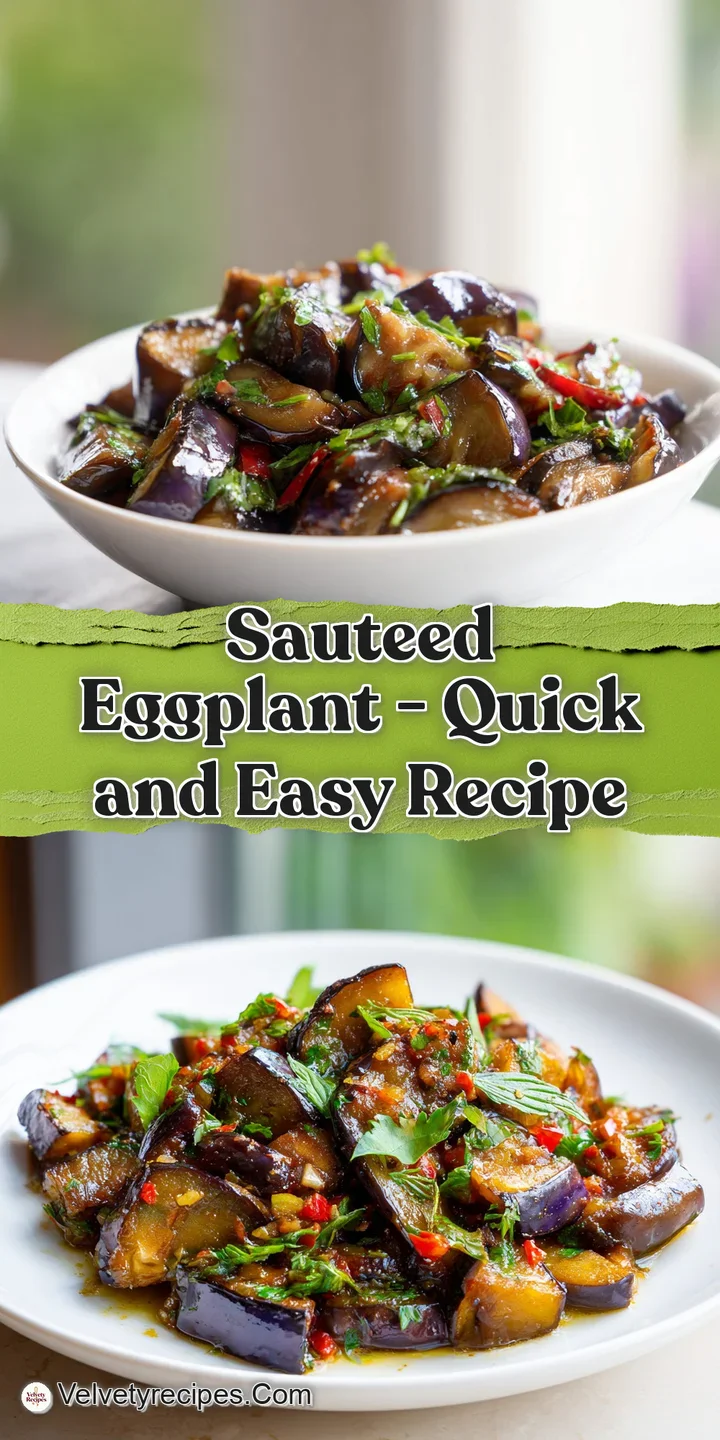
The visual appeal of Sauteed Eggplant comes from the contrast between the dark, glossy skin and the golden brown flesh. To make this look like a million dollars, serve it in a shallow bowl rather than a flat plate. This helps the cubes stay warm.
Sprinkle a little fresh parsley or even some toasted pine nuts on top for a bit of crunch. The balsamic vinegar already provides a nice shine, but a final tiny drizzle of high-quality extra virgin olive oil just before serving adds a luxurious mouthfeel.
I love serving this as a base for grilled meats or even just tossed with some feta cheese and fresh mint. It’s a versatile dish that can act as the star of the show or a supporting player. If you're looking for another comforting dish to round out your meal, this Amish Onion Cake provides a wonderful savory sweet balance that complements the earthy tones of the eggplant perfectly. Just remember, the goal is comfort and flavor don't stress the small stuff, just keep that pan hot!
Recipe FAQs
What's the secret to perfectly sauteed eggplant?
Salt the eggplant cubes for 15 minutes before cooking. This step draws out excess moisture, which prevents the vegetable from turning into a soggy sponge in the pan.
Is eggplant good for diabetes type 2?
Yes, eggplant is an excellent choice for a diabetic friendly diet. It is naturally low in calories and high in fiber, which helps stabilize blood sugar levels.
How long do you sauté eggplant for?
Cook for a total of 9 to 10 minutes. Start by letting it sear undisturbed for 3-4 minutes to build a crust, then sauté with aromatics for another 5-6 minutes until tender.
How do you cook eggplant in a skillet?
Heat 3 tablespoons of oil in a heavy bottomed skillet over medium high heat. Add the eggplant in a single layer to ensure proper browning, then finish by adding onions, garlic, oregano, and balsamic vinegar.
Is it true I must peel the skin off before sautéing?
No, this is a common misconception. The skin is edible and helps the cubes hold their shape during the high heat sauté process.
How to store leftover sautéed eggplant?
Place leftovers in an airtight container in the refrigerator for up to 3 days. To regain some texture, reheat in a hot, dry skillet for 2-3 minutes rather than using a microwave.
Can I use this sautéing technique for other vegetables?
Yes, the sear and-sauté method works for many hearty vegetables. If you enjoyed mastering the heat management technique used here, you can apply the same principle to achieve a perfect golden sear on proteins or other produce.
Silky Sauteed Eggplant
Ingredients:
Instructions:
Nutrition Facts:
| Calories | 149 kcal |
|---|---|
| Protein | 2.1 g |
| Fat | 10.9 g |
| Carbs | 13.0 g |
| Fiber | 5.1 g |
| Sugar | 6.2 g |
| Sodium | 210 mg |
