Cabbage Stir Fry: Charred and Snappy
- Time: Active 10 minutes, Passive 5 minutes, Total 15 minutes
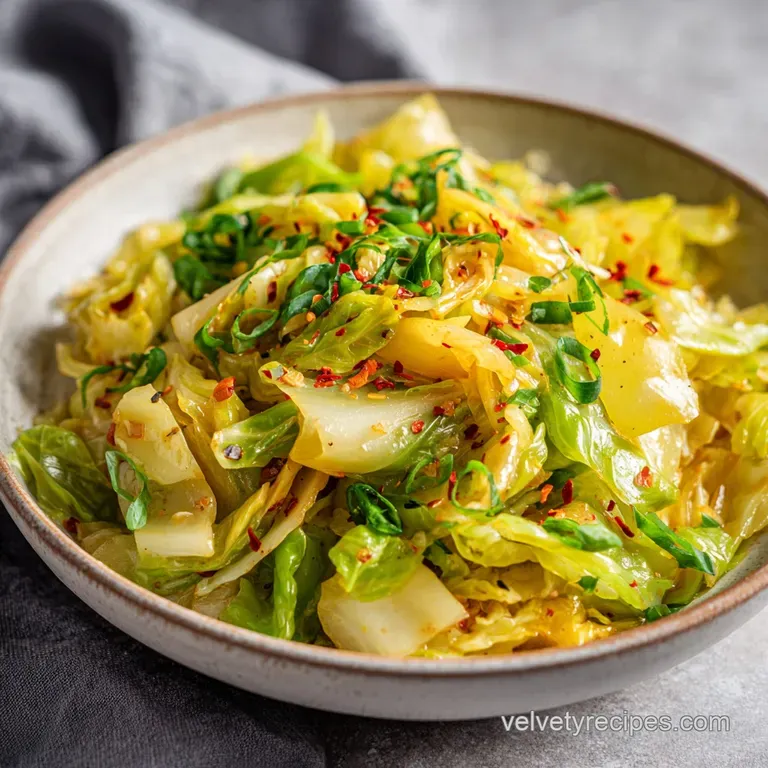
- Flavor/Texture Hook: Charred, snappy cabbage ribbons with a salty sweet umami glaze.
- Perfect for: A lightning fast weeknight side or a low carb base for your favorite protein.
- Master the Ultimate Cabbage Stir Fry
- Why the Cabbage Stays Crunchy
- Ingredient Deep Dive and Science
- Fresh Components and Easy Swaps
- Best Gear for High Heat
- Fast Stir Fry Cooking Steps
- Solving Common Texture Problems
- Scaling for Families or Crowds
- Crushing Common Stir Fry Myths
- Storage and Zero Waste Tips
- How to Serve This Meal
- Recipe FAQs
- 📝 Recipe Card
Master the Ultimate Cabbage Stir Fry
Forget everything you know about soggy, overcooked greens that look like they’ve seen better days. You don't need a high pressure jet burner or a seasoned carbon steel wok to get that restaurant quality char at home.
Most people think stir frying is just tossing things in a pan until they're hot, but that's how you end up with a watery mess. I once made the mistake of washing my cabbage and throwing it straight into the oil while it was still dripping it didn't fry; it boiled.
It was a sad, limp disaster that looked nothing like the vibrant, smoky dish I was craving.
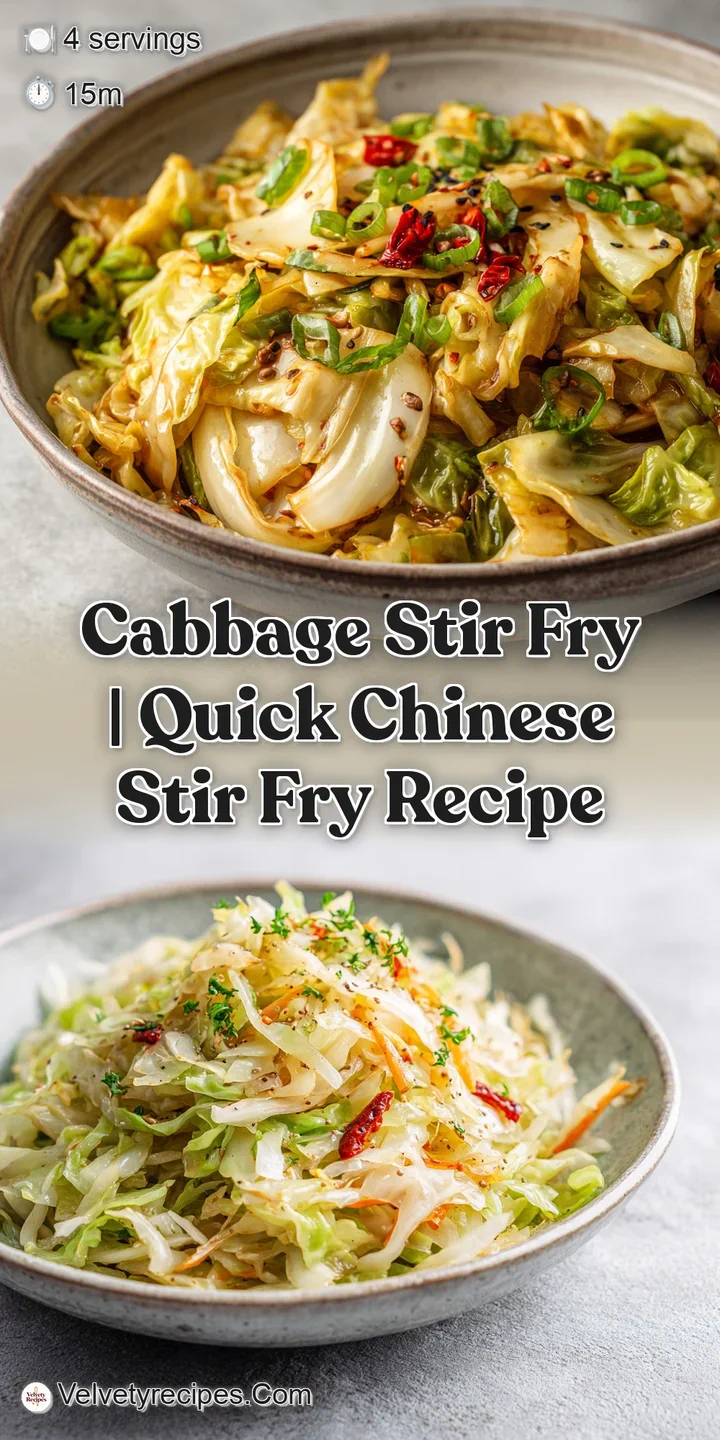
We are looking for over high heat caramelization here. We want those edges to turn dark and slightly sweet while the center of the cabbage ribbon still has a distinct "shatter" when you bite into it. This Cabbage Stir Fry is all about speed and heat management.
It’s the kind of dish that makes a simple head of cabbage taste like a million dollars, turning a humble pantry staple into the star of the show. Right then, let's get your pan screaming hot because we’re about to transform these vegetables into something truly special.
The secret isn't in some complicated technique; it’s in the preparation. If your vegetables are dry and your pan is hot, you’ve already won half the battle. We’re going to build layers of flavor starting with aromatic garlic and ginger, followed by a flash fry that keeps everything vibrant.
By the time you finish reading this, you’ll be ready to ditch the takeout menus and whip this up in less time than it takes for a delivery driver to find your house.
Why the Cabbage Stays Crunchy
Surface Dryness: Moisture is the enemy of the sear; using a salad spinner ensures the cabbage fries in the oil rather than steaming in its own juices.
over High heat Volatilization: Cranking the heat to the highest setting causes the natural sugars in the cabbage and honey to caramelize instantly upon contact with the pan.
Cell Wall Integrity: Keeping the cook time under five minutes prevents the cellulose in the cabbage from breaking down completely, maintaining a satisfying snap.
Viscosity Control: Adding the rice vinegar at the end provides a sharp acidity that cuts through the oil and prevents the dish from feeling heavy or greasy.
| Method | Time | Texture | Best For |
|---|---|---|---|
| Stovetop Wok | 5 minutes | Charred & Snappy | Maximum authentic flavor and smoky aroma. |
| Cast Iron Skillet | 7 minutes | Deeply Caramelized | Even browning if you don't have a wok. |
| Air Fryer | 8 minutes | Crispy Edges | Hands off prep, though less "saucy" finish. |
Because this Cabbage Stir Fry moves so incredibly fast, you have to be ready before the oil even hits the pan. If you're still chopping carrots while the garlic is sizzling, you're going to burn the aromatics and ruin the base of your flavor.
This is what we call "mise en place," but in my kitchen, it just means "get your act together before the fire starts."
Ingredient Deep Dive and Science
| Ingredient | Science Role | Pro Secret |
|---|---|---|
| Green Cabbage | Structural Base | Use the outer leaves for more crunch and the inner leaves for sweetness. |
| Avocado Oil | High Smoke Point | This oil stays stable at 500°F (260°C), allowing for a true sear without acrid smoke. |
| Rice Vinegar | Acidic Brightener | The acetic acid resets the palate and highlights the natural sweetness of the carrots. |
| Raw Honey | Maillard Catalyst | The glucose and fructose react quickly with heat to create a golden brown glaze. |
Selecting the right head of cabbage is the first step toward a meal that tastes like a million dollars. You want a head that feels heavy for its size and has tightly packed leaves. If it feels light or hollow, it’s likely old and will have a bitter, woody texture once cooked.
I always peel off the very first layer of leaves because they tend to be a bit tough and can harbor grit from the farm.
Fresh Components and Easy Swaps
- 1/2 head green cabbage (approx. 500g): Cored and shredded into 1/2 inch ribbons. Why this? Thick ribbons provide enough surface area for charring while staying firm.
- Substitute: Savoy cabbage (softer texture) or Napa cabbage (cooks much faster).
- 1 medium carrot: Julienne cut into thin matchsticks. Why this? Adds visual contrast and a boost of natural sugars for caramelization.
- Substitute: Red bell pepper strips for a similar sweetness.
- 3 stalks scallions: Whites and greens separated. Why this? Whites provide a sharp onion base; greens add a fresh, grassy finish.
- Substitute: Shallots for the whites and chives for the garnish.
- 3 cloves garlic: Thinly sliced. Why this? Slices are less likely to burn instantly than minced garlic at high heat.
- Substitute: 1/2 teaspoon garlic powder (add to the sauce, not the hot oil).
- 1 tablespoon fresh ginger: Grated or matchstick cut. Why this? Provides a spicy, aromatic warmth that balances the salty soy sauce.
- Substitute: 1/4 teaspoon ground ginger whisked into the glaze.
- 2-3 dried red chilies: Whole or halved. Why this? Infuses the oil with a smoky, gentle heat without overwhelming the dish.
- Substitute: 1/2 teaspoon red pepper flakes.
- 1 tablespoon avocado oil: Why this? Essential for over high heat cooking to prevent the oil from breaking down.
- Substitute: Grapeseed oil or peanut oil.
- 2 tablespoons soy sauce or tamari: Why this? The primary source of salt and deep, fermented umami flavor.
- Substitute: Coconut aminos for a soy free, slightly sweeter version.
- 1 tablespoon rice vinegar: Why this? Adds a necessary tang to cut through the richness of the sesame oil.
- Substitute: Apple cider vinegar or a squeeze of fresh lime juice.
- 1 teaspoon toasted sesame oil: Why this? Provides a nutty, velvety aroma that defines the stir fry profile.
- Substitute: Roasted peanut oil for a different nutty note.
- 1 teaspoon raw honey or monk fruit sweetener: Why this? Encourages browning and balances the saltiness of the soy sauce.
- Substitute: Brown sugar or maple syrup.
| Fresh Ingredient | Shortcut Option | Impact on Dish |
|---|---|---|
| Whole Cabbage | Pre shredded Coleslaw Mix | Saves 10 mins; slightly thinner ribbons may turn soft faster. |
| Fresh Ginger | Jarred Ginger Paste | Convenient; lacks the spicy "bite" of fresh matchsticks. |
| Fresh Garlic | Pre minced Jarred Garlic | Saves time; can sometimes have a slightly metallic aftertaste. |
When you're looking for a complete meal, this Cabbage Stir Fry pairs beautifully with easy fried rice or can be served alongside some golden hibachi chicken for a hearty dinner. Both options help soak up that extra umami glaze that pools at the bottom of the bowl.
Best Gear for High Heat
To get that authentic Cabbage Stir Fry texture, your choice of pan is actually quite important. A traditional carbon steel wok is the gold standard because its thin walls respond instantly to heat changes. If you don't have one, a heavy cast iron skillet is your next best friend.
It holds heat like a champion, which is exactly what you need when you drop a pound of cold vegetables into the pan. If you use a thin, non stick pan, the temperature will plummet the moment the cabbage hits, and you'll end up steaming the vegetables instead of searing them.
Beyond the pan, a sturdy metal spatula is a must. You need to be able to scrape the bottom of the wok with some authority to keep the garlic from sticking and to toss the cabbage rapidly. I also recommend having a large stainless steel bowl nearby for your prepped veggies.
It’s much easier to dump the whole lot into the pan at once from a wide bowl than it is to try and scrape them off a cutting board while your oil is smoking.
Fast Stir Fry Cooking Steps
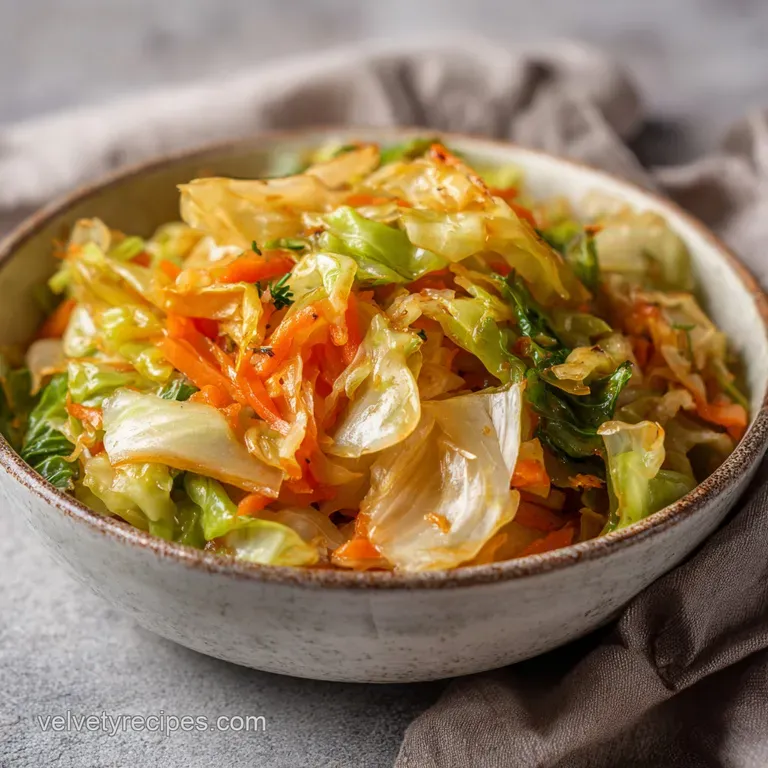
- Shred the cabbage into uniform 1/2 inch ribbons. Note: Uniformity ensures every piece finishes cooking at the exact same time.
- Ensure the cabbage is bone dry by using a salad spinner or patting with paper towels. Note: This prevents steaming and encourages charring.
- In a small bowl, whisk together the soy sauce, rice vinegar, toasted sesame oil, and honey. Note: Having the glaze ready prevents you from overcooking the vegetables while searching for ingredients.
- Heat 1 tablespoon of avocado oil in a large wok or cast iron skillet over medium high heat until shimmering and just starting to smoke.
- Add the scallion whites, sliced garlic, ginger, and dried chilies. Note: Stir fry for exactly 30 seconds to infuse the oil without browning the garlic too much.
- Crank the heat to the highest setting and immediately add the cabbage and julienned carrots.
- Flash fry the vegetables for 2-3 minutes until the edges are charred and the volume has slightly reduced.
- Pour the umami glaze over the vegetables and toss rapidly for 30-60 seconds until the sauce is bubbly and coats every ribbon.
- Remove from heat immediately until the cabbage is glossy and crisp tender.
- Garnish with the reserved scallion greens and serve while steaming hot.
Solving Common Texture Problems
Why the Cabbage Turned Soggy
The most frequent issue with Cabbage Stir Fry is a lack of heat. If your pan isn't hot enough, the cabbage will release its moisture slowly, creating a pool of liquid in the bottom of the pan. This essentially boils the vegetable from the inside out.
To fix this, always wait until the oil is shimmering and avoid overcrowding the pan. If you're doubling the recipe, cook the cabbage in two separate batches to keep the pan temperature high.
Why the Garlic Tastes Bitter
Garlic burns in the blink of an eye, especially when sliced thinly. If your garlic turned dark brown or black before you added the cabbage, it will impart a bitter, acrid flavor to the whole dish. The solution is timing.
Make sure your cabbage is ready to go the second those 30 seconds of aromatic sautéing are up. Adding the bulk of the vegetables immediately drops the temperature of the oil and stops the garlic from burning.
| Problem | Root Cause | Solution |
|---|---|---|
| Watery Sauce | Cabbage was wet before cooking | Dry cabbage thoroughly with a spinner or towels. |
| Tough Ribbons | Ribbons were cut too thick | Keep ribbons to 1/2 inch; cook for an extra 60 seconds. |
| Lack of Flavor | Pan wasn't hot enough for char | Wait for oil to shimmer; use highest heat setting possible. |
Common Mistakes Checklist
- ✓ Pat cabbage completely dry (essential for that "shatter" texture).
- ✓ Separating scallion whites from greens (whites for flavor, greens for garnish).
- ✓ Whisking the sauce beforehand (don't play chemist while the pan is smoking).
- ✓ Using a high smoke point oil (butter or extra virgin olive oil will burn).
- ✓ Working in batches if your pan is small (don't pile the cabbage more than 2 inches deep).
Scaling for Families or Crowds
When you need to feed more than four people, scaling a Cabbage Stir Fry requires a bit of strategy. You can't just throw a whole head of cabbage into one pan and expect the same results. The sheer volume of cold vegetables will kill the heat of your wok, and you'll end up with a mountain of steamed greens.
Instead, I recommend prepping everything and then cooking in two distinct batches. It only takes five minutes per batch, so the first one will still be hot by the time the second one finishes.
For the sauce, you don't always need to double everything exactly. While you should double the soy sauce and vinegar, I usually only increase the sesame oil and honey by about 1.5 times. This keeps the dish from becoming overly greasy or cloyingly sweet.
If you are scaling down for just one or two people, you can use a smaller skillet, but keep the heat high the science remains the same regardless of the portion size.
| Servings | Cabbage Amount | Pan Size | Total Cook Time |
|---|---|---|---|
| 2 People | 1/4 head (250g) | 10 inch Skillet | 4 minutes |
| 4 People | 1/2 head (500g) | 12 inch Wok | 5 minutes |
| 8 People | 1 whole head (1kg) | 14 inch Wok (2 batches) | 10 minutes |
Crushing Common Stir Fry Myths
One of the biggest myths in home cooking is that you need a specialized burner with "wok hei" (breath of the wok) to make a great Cabbage Stir Fry. While professional burners help, you can achieve a similar effect by letting your cast iron skillet preheat for a full five minutes before adding the oil.
The stored thermal energy in the heavy metal mimics the intense heat of a commercial burner, giving you those beautiful charred edges.
Another misconception is that you should salt the cabbage early to draw out moisture. In many recipes, that's a good thing, but in a stir fry, it's a disaster. Salting the cabbage while it sits on the cutting board will make it limp and rubbery before it even hits the heat.
You want the salt to come from the soy sauce at the very end of the cooking process, which seasons the exterior while keeping the interior of the cabbage crisp.
Storage and Zero Waste Tips
This Cabbage Stir Fry is best enjoyed immediately, as the cabbage will continue to soften as it sits in the residual heat. However, if you have leftovers, they can be stored in an airtight container in the fridge for up to 3 days.
When reheating, avoid the microwave if possible; it will turn the cabbage into a mushy mess. Instead, throw it back into a hot pan with a tiny splash of water or soy sauce for 2 minutes to revive the texture.
To practice zero waste, don't throw away the cabbage core! While it's too tough for this specific stir fry, you can slice it very thinly and add it to a soup base or vegetable stock. The carrot peels and scallion ends are also fantastic additions to a freezer bag for making homemade broth later.
If you find yourself with just a small amount of leftover stir fry, it makes a brilliant topping for a bowl of ramen or can be folded into an omelet the next morning for a savory, hearty breakfast.
How to Serve This Meal
This dish is incredibly versatile, but it really shines when served alongside a bowl of steaming jasmine rice. The rice acts as a sponge for the soy and sesame glaze, ensuring you don't miss a single drop of flavor.
For a low carb option, you could even serve this over a bed of cauliflower rice, though the textures are quite similar. I love to finish the plate with a sprinkle of toasted sesame seeds or a few extra ribbons of fresh scallion greens for a pop of color and crunch.
If you're looking to make this a more substantial main course, adding a protein is incredibly simple. Thinly sliced chicken breast, firm tofu cubes, or even shrimp can be seared in the pan first, removed, and then tossed back in with the sauce at the end. This keeps the protein tender and the cabbage crisp.
Trust me, once you master this basic technique, you'll find yourself reaching for a head of cabbage every time you need a fast, flavorful meal that feels like a treat. It’s a simple dish that truly delivers a high end experience with very little effort.
Recipe FAQs
Is stir fry ok for diabetics?
Yes, especially when using monk fruit sweetener as a honey alternative. Cabbage is high in fiber and low on the glycemic index, making it an excellent vegetable base for blood sugar management.
How do I make stir fry cabbage taste better?
Crank your heat to the highest setting for the flash fry step. Achieving a quick char on the edges of the cabbage ribbons creates a deep, caramelized flavor that far outweighs the taste of steamed or limp vegetables.
Is cabbage good for stir fry?
Yes, it is an ideal candidate for high heat cooking because of its sturdy structure. It retains a pleasant crunch if you follow the 2-3 minute flash fry time, providing a much better texture than softer greens.
What are some common mistakes when sauteing cabbage?
The most frequent error is starting with damp cabbage, which causes the vegetable to steam instead of sear. If you enjoyed mastering the dry-surface sear technique here, you will find it is equally essential for achieving crispy results in other high heat recipes.
How to avoid mushy cabbage leftovers?
Reheat the leftovers in a hot pan rather than the microwave. Adding a tiny splash of soy sauce or water while tossing over medium high heat for 2 minutes helps restore the original crisp tender texture.
How to ensure the sauce coats the vegetables evenly?
Whisk your soy sauce, vinegar, sesame oil, and sweetener in a small bowl before you begin cooking. Pouring this premixed glaze over the cabbage during the final 30-60 seconds of cooking allows the sauce to reduce and cling to the charred ribbons perfectly.
Is it true I must boil the cabbage before stir frying it?
No, this is a common misconception. Boiling will make the cabbage waterlogged and destroy its ability to caramelize; always add the raw, shredded ribbons directly to your shimmering hot oil for the best results.
Smoky Cabbage Stir Fry
Ingredients:
Instructions:
Nutrition Facts:
| Calories | 97 kcal |
|---|---|
| Protein | 2.9 g |
| Fat | 4.8 g |
| Carbs | 12.5 g |
| Fiber | 3.8 g |
| Sugar | 6.2 g |
| Sodium | 462 mg |
