Baked Chicken Leg Quarters: Ultra Crispy
- Time: Active 10 minutes, Passive 45 minutes, Total 55 minutes
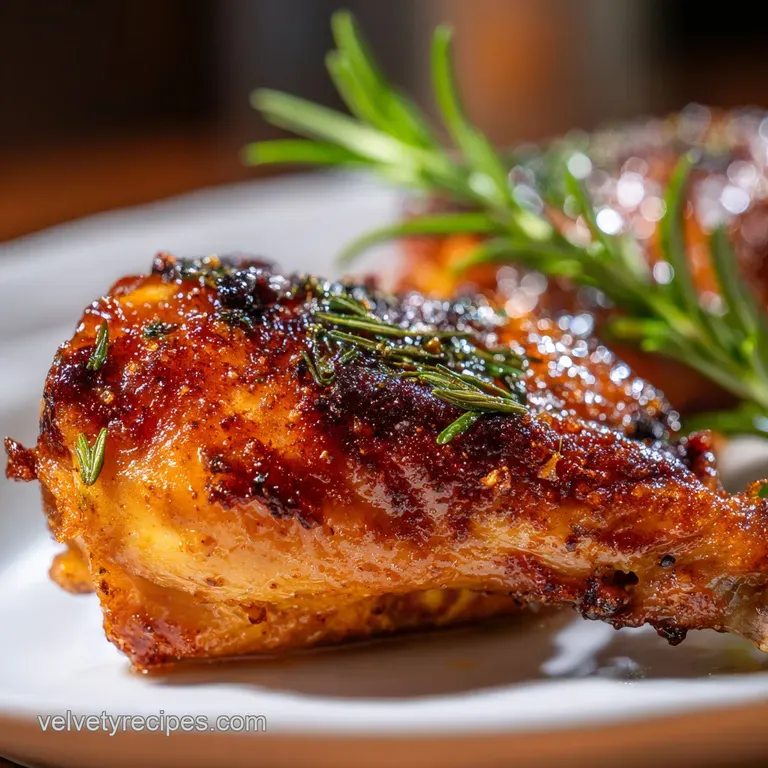
- Flavor/Texture Hook: Shatteringly crisp skin with velvety, schmaltz roasted potatoes.
- Perfect for: Stress free Sunday family dinners and beginner meal prep.
- Perfect Crispy Baked Chicken Leg Quarters
- Why High Heat Roasting Works
- Analyzing Your Core Recipe Components
- Essential Tools for Golden Chicken
- Step by Step Roasting Guide
- Fixing Common Roasting Mistakes Fast
- Simple Ways to Adjust Servings
- Creative Flavor Profile Adjustments
- Debunking Roasting Misconceptions
- Storage and Leftover Safety Tips
- Best Sides for Roasted Chicken
- CRITICAL Sodium Level
- Recipe FAQs
- 📝 Recipe Card
Perfect Crispy Baked Chicken Leg Quarters
There is nothing quite as heartbreaking for a home cook as pulling a tray out of the oven only to find "steamed" chicken. You know exactly what I mean. That pale, rubbery, flabby skin that looks more like it was boiled in a damp basement than roasted in a hot oven.
I remember one specific Tuesday night where I made the mistake of overcrowding my pan with too many wet vegetables. Instead of a golden roast, I ended up with a soggy mess that even my hungriest kids wouldn't touch.
That failure taught me that great Baked Chicken Leg Quarters aren't just about the heat; they're about the environment. If there is too much moisture or not enough airflow, you lose that satisfying crunch.
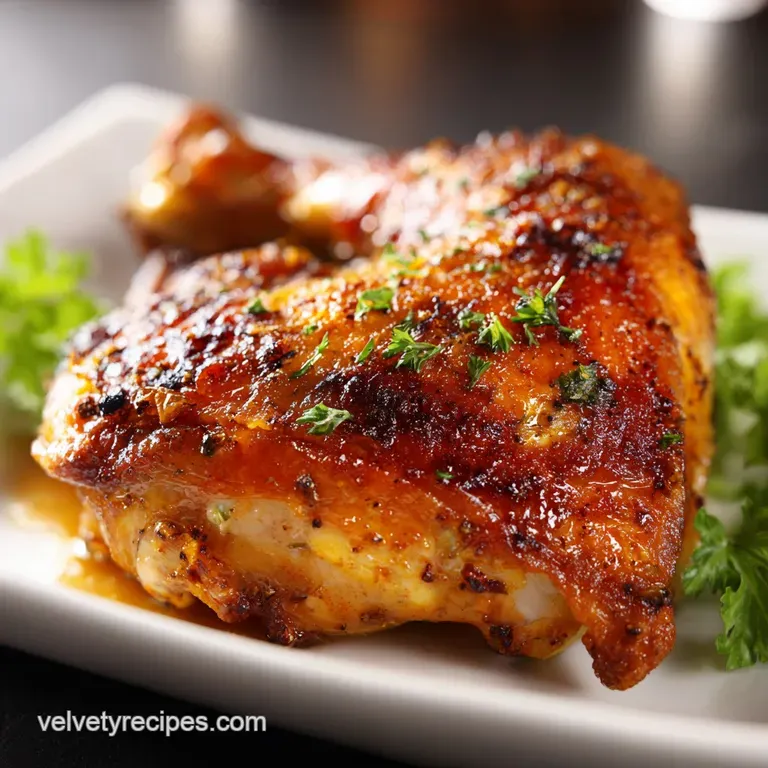
You want skin that makes a distinct "crack" when your fork hits it, hiding meat that is so tender it practically slides off the bone. It took a few tries to realize that the secret was literally lifting the bird up and letting the air do the work.
This recipe is my absolute go to because it solves every common roasting problem in one go. We’re going to use a wire rack to ensure the bottom of the chicken doesn’t sit in a puddle of juices, and we’re going to roast at a high enough temperature to render out the fat properly.
The result is a hearty, comforting plate of food that feels like a fancy rotisserie meal but requires barely any cleanup. Let’s get that oven preheated and fix the soggy skin problem forever.
Why High Heat Roasting Works
Most people are afraid to crank the heat, worrying they'll dry out the meat, but with Baked Chicken Leg Quarters, heat is your best friend. Because the leg and thigh are dark meat, they have a higher fat content and more connective tissue than chicken breasts.
This means they can handle a higher internal temperature without becoming straw like.
- Surface Dehydration: Intense heat evaporates surface moisture instantly, allowing the skin to go from damp to crisp before the meat overcooks.
- Fat Rendering: The 400°F environment melts the thick layer of fat underneath the skin, which then "fries" the skin from the inside out.
- The Maillard Effect: High temperatures trigger the browning of sugars and proteins, creating that deep mahogany color and complex savory aroma.
- Schmaltz Infusion: As the chicken sits on the rack, the rendered fat (schmaltz) drips onto the potatoes below, essentially confit roasting them in liquid gold.
If you find yourself in a rush and need a different technique for smaller pieces, my Easy Hibachi Chicken uses high heat in a pan to achieve a similar golden crust in even less time.
| Thickness | Internal Temp | Rest Time | Visual Cue |
|---|---|---|---|
| Small (8oz) | 175°F | 5 mins | Juices run clear immediately |
| Medium (12oz) | 175°F | 8 mins | Skin is dark mahogany and taut |
| Large (14oz+) | 175°F | 10 mins | Bone wiggle feels loose |
Giving the meat a proper rest is vital because it allows the muscle fibers to relax and reabsorb those velvety juices. If you cut into it too soon, all that moisture will end up on your plate instead of in your mouth.
Analyzing Your Core Recipe Components
Every single ingredient in this list serves a specific functional purpose beyond just looking good on the plate. When we talk about "The Building Blocks," we are looking at how the dry spices interact with the fat and how the vegetables provide the necessary humidity to keep the meat juicy without ruining the skin.
I’m a huge fan of Yukon Gold potatoes for this specific dish. Unlike Russets, which can get a bit mealy, Yukons hold their shape and have a naturally buttery texture that absorbs the chicken fat beautifully. The carrots add a necessary sweetness that cuts through the salt and smoke of the dry rub.
| Ingredient | Science Role | Pro Secret |
|---|---|---|
| Kosher Salt | Protein Denaturation | Use coarse salt to draw out moisture for a crunchier skin. |
| Smoked Paprika | Color & Flavor | It provides a "charred" look even in a standard home oven. |
| Yukon Gold Potatoes | Moisture Balance | They release steam slowly, keeping the oven air humid but not wet. |
| Extra Virgin Olive Oil | Heat Conductor | It bonds the spices to the skin and prevents the vegetables from sticking. |
Choosing the right chicken is also a big deal. I always look for quarters that are roughly the same size so they finish at the same time. If one is massive and the other is tiny, you'll end up with one dry piece and one undercooked piece.
Essential Tools for Golden Chicken
You don't need a kitchen full of gadgets, but two specific items are non negotiable for this recipe: a large rimmed baking sheet and a wire cooling rack. The rimmed sheet is there to catch every drop of that precious fat, while the wire rack is the "engine" of the crispiness.
By lifting the chicken up, you allow the hot air to circulate 360 degrees around the meat.
Without that rack, the bottom of the chicken quarters will sit in the vegetable juices and become soft and gummy. I also highly recommend lining your pan with heavy duty aluminum foil. It makes the cleanup process take about thirty seconds instead of ten minutes of scrubbing burnt potato starch.
A good instant read thermometer is your final essential tool; it’s the only way to know for sure that you’ve hit that 175°F sweet spot.
Chef's Tip: If you don't have a wire rack that fits your baking sheet, you can "bridge" the chicken by resting it on top of thick slices of onion or extra large potato chunks. It’s not quite as effective for airflow, but it keeps the meat out of the puddles!
step-by-step Roasting Guide
Preparation is the soul of a good roast, so don't rush the drying process. Water is the enemy of the "shatter" effect we want on the skin. If there is moisture on the surface, the oven has to spend the first ten minutes boiling that water off before it can even start browning the skin.
- Preheat the environment. Set your oven to 400°F (200°C) and line your tray with foil and the rack. Note: A hot oven is essential for the initial fat rendering blast.
- Dehydrate the skin. Use paper towels to pat the 4 large chicken leg quarters extremely dry. Note: Don't forget the underside and the crevices near the joints.
- Mix the aromatics. Whisk the kosher salt, smoked paprika, garlic powder, onion powder, black pepper, and dried thyme in a small bowl.
- Prep the base. Toss the 1 lb of Yukon Gold potato chunks and 2 sliced carrots with 1 tbsp of olive oil and a pinch of salt.
- Layer the tray. Spread the vegetables across the bottom of the foil lined sheet in a single layer.
- Elevate the chicken. Place the wire rack directly over the vegetables.
- Apply the fat. Rub the chicken quarters with the remaining 2 tbsp of olive oil.
- Season thoroughly. Coat the chicken with the spice blend, pressing it into the skin so it sticks.
- The Roasting Phase. Position the chicken skin side up and roast for 45 minutes until the skin is dark mahogany and the internal temperature reaches 175°F.
- The Rest. Move the chicken to a clean board and wait 5 to 10 minutes before serving.
While the chicken is roasting, keep an eye on the aroma. If you smell something burning, it’s usually a stray piece of carrot or a spice that fell off the rack. Don't worry about it unless you see actual smoke; the rendered fat will protect the vegetables as they cook.
Fixing Common Roasting Mistakes Fast
Even the most experienced home cook can run into a snag. The most common issue I hear about is the chicken reaching the target temperature, but the skin still looks pale and sad. Usually, this happens if your oven runs a bit cool or if the chicken wasn't dried properly.
If you hit 45 minutes and the skin isn't "shattering" yet, don't be afraid to use the broiler for 2 minutes just watch it like a hawk so the paprika doesn't burn.
Another issue is the vegetables being ready before the chicken. If your potato chunks are too small, they might turn to mush. Aim for 1 inch chunks to ensure they can survive the full 45 minutes in the oven.
| Problem | Root Cause | Solution |
|---|---|---|
| Soft, flabby skin | Excessive moisture or low heat | Pat skin bone dry and check oven temp with a thermometer. |
| Burnt spices | Rub contained too much sugar | Avoid rubs with brown sugar for over high heat (400°F+) roasting. |
| Dry meat | Overcooked (internal temp >185°F) | Pull the chicken at 170°F and let carryover heat take it to 175°F. |
Common Mistakes Checklist
- ✓ Forgot to pat the chicken dry (results in steamed skin).
- ✓ Overcrowded the vegetable layer (prevents even browning).
- ✓ Skipped the wire rack (bottom of chicken stays soggy).
- ✓ Didn't preheat the oven fully (skin won't render fat properly).
- ✓ Sliced the chicken immediately after roasting (loses all juices).
If you’re ever worried about the timing, remember that dark meat is very forgiving. Unlike a breast which becomes dry the second it hits 165°F, these quarters are actually better and more tender when they hit 175°F or 180°F because that extra heat breaks down the collagen in the joints.
Simple Ways to Adjust Servings
Cooking for a crowd or just for yourself is easy with this tray bake method. For a half batch (2 servings), use a smaller baking sheet but keep the temperature exactly the same. You might find the vegetables cook about 5 minutes faster since there's less total moisture in the oven, so start checking them at the 35 minute mark.
When scaling up for 8 people, you'll need two separate baking sheets. Do not try to cram 8 quarters onto one tray; the "crowding" will create a steam bath effect and you'll lose the crispy skin entirely.
If you're using two racks in your oven, rotate the pans halfway through the 45 minute cook time to ensure even browning.
- For 2 people: Use 2 quarters, 0.5 lb potatoes, and 1 carrot. Use a quarter sheet pan.
- For 8 people: Double everything but keep the spices to 1.5x the original amount. Use two separate trays.
- Baking Note: If your oven has a convection setting (fan), you can lower the temp to 375°F and the skin will get even crispier!
| Original Ingredient | Substitute | Why It Works |
|---|---|---|
| Yukon Gold Potatoes | Red Bliss Potatoes | Thin skin and waxy texture hold up well to 45 mins of roasting. |
| Smoked Paprika | Chipotle Powder | Adds heat and smoke. Note: Use half as much, as it's quite spicy. |
| Extra Virgin Olive Oil | Ghee or Avocado Oil | High smoke points (400°F+) ensure the fat doesn't burn or smoke. |
Creative Flavor Profile Adjustments
While the salt pepper paprika combo is a classic for a reason, you can easily pivot the flavor of this dish to match your mood. If you're feeling like something a bit more sophisticated, I often swap the dried thyme for rosemary and add a few lemon wedges directly onto the vegetable tray.
The roasted lemon juice creates a bright, acidic sauce when mixed with the chicken drippings.
For those who want a bit more of a project or a showstopper meal, you might consider my Chicken Wellington Recipe. It uses a similar focus on moisture control but wraps the chicken in a flaky pastry for a completely different texture.
- Mediterranean Style: Swap the paprika for dried oregano and lemon zest. Add some whole cloves of unpeeled garlic to the potato tray they turn into sweet, spreadable paste in 45 minutes.
- Spicy Heat: Add 1/2 tsp of cayenne pepper to the dry rub. Brush the chicken with a tiny bit of honey in the last 5 minutes of roasting for a "hot honey" finish.
- Herb Garden: Use a mix of fresh sage, rosemary, and thyme tucked under the skin before roasting for an aromatic woodsy flavor.
Debunking Roasting Misconceptions
One of the biggest myths in the kitchen is that you should wash your chicken before cooking it. Please, don't do this! Not only does it spread bacteria all over your sink, but it also makes the skin soaking wet, which is the exact opposite of what we want for a crispy roast.
Trust the 400°F oven to handle any safety concerns.
Another common misconception is that you need to baste the chicken while it roasts. Basting is great for a turkey at a lower temperature, but for over high heat quarters, pouring liquid over the skin while it's trying to crisp up is counter productive.
The fat underneath the skin will do all the "internal basting" you need.
Finally, many people think they should roast chicken at 350°F. While that works for a whole bird that needs hours, it’s too slow for quarters. 400°F is the "sweet spot" where the meat stays juicy but the skin reaches that glorious mahogany color in under an hour.
Storage and Leftover Safety Tips
Leftover Baked Chicken Leg Quarters are a gift for your future self. I actually think the flavors of the spices settle and improve after a night in the fridge. To store them, let the chicken cool completely (about 30 minutes) before placing them in an airtight container.
They will stay fresh in the fridge for up to 4 days.
For freezing, remove the meat from the bone first. Frozen cooked chicken on the bone can sometimes develop a "metallic" taste after a few months. The shredded meat, however, freezes perfectly for up to 3 months. Just make sure to label it with the date!
- Zero Waste Tip: Don't throw away those chicken bones! Toss them into a pot with your carrot peels and onion ends. Cover with water and simmer for 3 hours to make a rich, homemade stock that tastes better than anything in a box.
- Reheating: To keep the skin crispy, avoid the microwave. Instead, put the chicken in a 375°F oven for about 10-12 minutes. This will re render the fat and bring back some of that original crunch.
Best Sides for Roasted Chicken
Because this is a sheet pan meal, you already have your starch and your carrots ready to go. However, if you want to round out the meal, a bright, acidic side dish is the perfect contrast to the rich, salty chicken. A simple arugula salad with a lemon vinaigrette works wonders.
The peppery bite of the greens cuts right through the schmaltz roasted potatoes.
If you’re meal prepping, you can serve the cold shredded chicken over a bed of quinoa or farro. The smoky paprika rub acts as a built in seasoning for the grains. For another variation of a classic pan cooked bird, take a look at my Spinach Stuffed Chicken Breast which pairs beautifully with the same roasted potatoes and carrots found in this recipe.
- Vegetable Additions: If you have extra room on the tray, throw some asparagus or green beans on for the last 15 minutes of roasting.
- Sauce Pairings: A dollop of Greek yogurt mixed with garlic and lemon (tzatziki style) is incredible with the smoked paprika flavor.
- Bread: Use a piece of crusty sourdough to swipe up the extra juices on the tray it’s the best part of the meal!

CRITICAL Sodium Level
1240 mg 1240 mg of sodium (54% 54% of daily value)
To reduce your risk of heart disease and stroke, aim for less than 2,300mg of sodium per day, as recommended by the American Heart Association.
Tips to Reduce Sodium
-
Halve the Kosher Salt for Chicken-25%
Reduce the 1 tablespoon of kosher salt used for seasoning the chicken by half. Kosher salt is often used for its texture and ability to draw out moisture, but a significant amount contributes to sodium. You'll still get flavor from other seasonings.
-
Omit Salt for Potatoes-5%
Completely remove the pinch of salt intended for the potatoes. The salt used for the chicken will season the vegetables as they cook. If you find the potatoes need more flavor, you can add a touch more pepper or herbs at the end.
-
Boost Herbs and Spices
Increase the amounts of smoked paprika, garlic powder, onion powder, black pepper, and dried thyme. These ingredients provide significant flavor without adding sodium, helping to compensate for reduced salt.
-
Use Fresh Aromatics
If you have them, consider adding fresh garlic cloves and a small onion along with the chicken and vegetables. This will add more depth of flavor naturally, further reducing the reliance on salt.
Recipe FAQs
How long should you cook chicken leg quarters in the oven?
Roast for 45 minutes at 400°F. This duration ensures the skin reaches a dark mahogany color while the internal temperature hits 175°F for perfectly rendered, tender dark meat.
Is it better to bake chicken legs at 350 or 400?
Always bake at 400°F. A higher temperature is required to properly render the fat and achieve crispy skin; lower temperatures like 350°F will leave the skin rubbery and soft.
How to ensure the chicken skin gets crispy?
Pat the chicken extremely dry with paper towels before seasoning. Removing surface moisture is critical because any water present will steam the skin instead of allowing it to brown and crisp in the high heat.
Do I really need to use a wire rack for roasting?
Yes, using a wire rack is essential for even cooking. It elevates the chicken, allowing hot air to circulate underneath so the bottom does not stay soggy, while simultaneously letting the chicken fat drip down to season the vegetables below.
Is it okay if the chicken reaches 175°F instead of 165°F?
Yes, it is actually preferred. While white meat dries out quickly at higher temperatures, dark meat like leg quarters stays juicy and becomes even more tender when cooked to 175°F or 180°F. If you enjoyed mastering temperature precision here, you will find it equally important for achieving the right texture in other roasted poultry dishes.
How to store leftover chicken leg quarters?
Cool the chicken completely for 30 minutes, then place in an airtight container. It will stay fresh in your refrigerator for up to 4 days, and the spices often taste even better the next day.
Can I freeze the cooked chicken?
Remove the meat from the bone before freezing. Cooked chicken on the bone can develop a metallic taste over time, so shredding the meat allows you to store it safely for up to 3 months.
Baked Chicken Leg Quarters
Ingredients:
Instructions:
Nutrition Facts:
| Calories | 712 kcal |
|---|---|
| Protein | 53.8 g |
| Fat | 44.2 g |
| Carbs | 24.5 g |
| Fiber | 3.8 g |
| Sugar | 3.1 g |
| Sodium | 1240 mg |
