Garlic Butter Shrimp Linguine: Silky Sauce
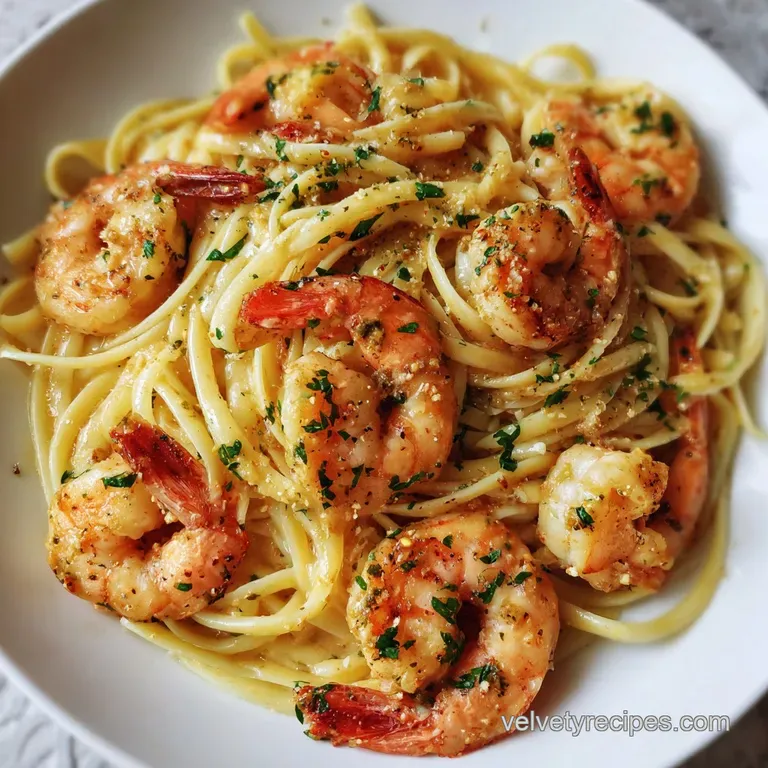
- Time: Active 10 minutes, Passive 10 minutes, Total 20 minutes
- Flavor/Texture Hook: Silky, garlicky, and vibrant with a buttery finish.
- Perfect for: Impressive date nights or a quick weeknight luxury.
- Essential Specs and Cooking Milestones
- Ingredient Science and Flavor Profiles
- Necessary Tools for Kitchen Success
- Mastering the Four Cooking Phases
- Solving Common Texture and Flavor Issues
- Creative Variations and Flavor Swaps
- Storage Tips and Zero Waste Ideas
- Finishing Touches and Serving Suggestions
- Kitchen Myths and Truths
- HIGH in Sodium
- Recipe FAQs
- 📝 Recipe Card
Essential Specs and Cooking Milestones
Before we even turn on the stove, we need to talk about the "how" behind the magic. Most people think a butter sauce is just melted fat, but it is actually a delicate balance of water and oil.
- The Emulsion Bridge: Starchy pasta water acts as the glue. The starches released by the 1 lb linguine during boiling create a bridge between the watery lemon juice/wine and the 6 tbsp unsalted butter.
- Thermal Shock: Using chilled butter is non negotiable. As the cold fat hits the hot liquid slowly, it melts gradually, allowing the proteins to wrap around the fat droplets before they can separate into a greasy mess.
- Shrimp Physics: Shrimp are mostly water and protein. If they hit the pan wet, they steam. Patting them dry ensures that immediate sizzle which creates a golden crust without overcooking the delicate interior.
- The Alcohol Lift: Dry white wine does more than add flavor. The acidity and alcohol help break down the garlic solids, releasing more aromatics into the oil while balancing the heavy fats.
| Shrimp Size | Cook Time | Internal Temp | Visual Cue |
|---|---|---|---|
| Large (16/20 count) | 2 mins per side | 145°F | Opaque and C shaped |
| Medium (31/40 count) | 1 min per side | 145°F | Pink edges, firm |
| Jumbo (11/15 count) | 3 mins per side | 145°F | Tightly curled, matte |
Getting the timing right is the difference between a meal that feels like a chore and one that feels like a treat. If you are looking for another high protein winner, you should definitely check out my Creamy Garlic Butter recipe which uses a similar flavor profile for poultry.
Ingredient Science and Flavor Profiles
Every single component in this garlic butter shrimp linguine serves a functional purpose. We aren't just tossing things in a pan; we are building layers of flavor.
Component Analysis
| Ingredient | Science Role | Pro Secret |
|---|---|---|
| 0.5 cup Starchy Water | Emulsifier | Never salt the water until it reaches a full boil. |
| 6 tbsp Chilled Butter | Fat Source | Whisk in one tablespoon at a time for a glossy finish. |
| 0.5 cup Dry White Wine | Acid/Solvent | Use a Pinot Grigio or Sauvignon Blanc for crispness. |
| 1 lb Large Shrimp | Protein | Keep the tails on for extra deep seafood flavor. |
For the Pasta Base
- 1 lb linguine: The flat surface area is superior to spaghetti for holding onto the butter sauce. Why this? More surface area means better sauce to pasta ratio in every bite.
- 2 tbsp kosher salt: This is for the pasta water. It should taste like the sea.
- 0.5 cup reserved starchy pasta water: This is your liquid gold. Do not dump it down the drain.
For the Protein & Aromatics
- 1 lb large shrimp, peeled and deveined: Look for "easy peel" if you are in a rush. Why this? Large shrimp stay juicy while the outside gets that perfect sear.
- 6 cloves fresh garlic, minced: Please, don't use the stuff from a jar; it tastes like tin.
- 1 tsp red pepper flakes: Adds a background hum of heat without being spicy.
- 2 tbsp extra virgin olive oil: This has a higher smoke point than butter, perfect for the initial sear.
For the Velvet Sauce
- 6 tbsp unsalted butter, divided and chilled: We use unsalted so we can control the seasoning ourselves.
- 0.5 cup dry white wine: This deglazes the pan, picking up all the tasty browned bits.
- 1 tbsp fresh lemon juice: Brightness is key to cutting through the richness of the butter.
- 0.25 cup Italian parsley, freshly chopped: Adds a peppery, fresh finish.
- 0.25 cup freshly grated Parmesan cheese: For that final salty, savory punch.
Necessary Tools for Kitchen Success
You do not need a lot of gear for this, but the right pan makes a world of difference. I highly recommend a large stainless steel skillet or a seasoned cast iron pan. These materials hold heat better than non stick, which is vital for getting a good sear on the shrimp.
You want that sizzle the moment the protein touches the metal.
A microplane or a very sharp knife is essential for those 6 cloves of garlic. We want the garlic finely minced so it melts into the oil rather than leaving big, crunchy chunks. Also, grab a pair of tongs. They are the best tool for tossing the 1 lb linguine into the sauce without breaking the strands.
Finally, make sure you have a liquid measuring cup ready by the sink. It's so easy to forget to save that 0.5 cup of pasta water. I usually put the cup right inside my colander as a physical reminder so I don't accidentally pour the "liquid gold" away.
Mastering the Four Cooking Phases
The flow of this recipe is just as important as the ingredients. You want the pasta and the shrimp to finish at almost the same time.
Phase 1: The Al Dente Foundation
- Bring a large pot of water to a rolling boil. Add 2 tbsp kosher salt.
- Drop the 1 lb linguine. Cook for about 2 minutes less than the package directions. Note: It will finish cooking in the sauce later.
- Before draining, scoop out 0.5 cup of the starchy pasta water and set it aside.
Phase 2: The Searing Flash
- Pat the 1 lb shrimp completely dry with paper towels. Season lightly with salt.
- Heat 2 tbsp olive oil in a large skillet over medium high heat until the oil shimmers.
- Add shrimp in a single layer. Sear for 2 minutes until pink and opaque. Remove shrimp from the pan and set aside.
Phase 3: The Mounting of the Sauce
- Turn heat down to medium. Add 2 tbsp of the butter, the 6 cloves of minced garlic, and 1 tsp red pepper flakes.
- Sauté for 1 minute until fragrant but not brown. Pour in 0.5 cup dry white wine.
- Scrape the bottom of the pan to release the flavor. Let the wine simmer for 2 minutes until reduced by half.
Phase 4: The Emulsified Finish
- Lower heat to medium low. Whisk in the remaining 4 tbsp of chilled butter, one tablespoon at a time, followed by the 0.5 cup pasta water and 1 tbsp lemon juice.
- Toss in the cooked linguine and the seared shrimp.
- Add 0.25 cup parsley and 0.25 cup Parmesan. Toss vigorously for 1 minute until the sauce is velvety and clings to the pasta.
Solving Common Texture and Flavor Issues
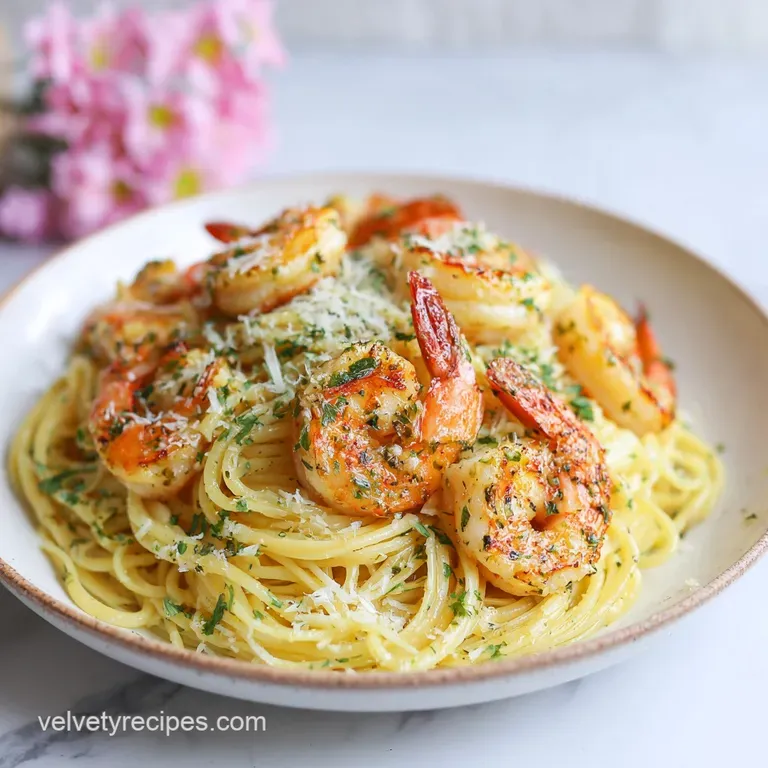
Even the best cooks run into trouble sometimes. The biggest enemy of a good pasta dish is usually temperature control. If your pan is too hot when you add the butter, the sauce will break. If it's too cold, the cheese won't melt properly and will turn into a clump.
Why Your Shrimp Is Tough
If your shrimp feels like a bouncy ball, it stayed in the pan too long. Shrimp continues to cook even after you take it off the heat. That is why we pull them out early and only add them back at the very last second to warm through.
Why Your Sauce Is Greasy
A greasy sauce usually means the emulsion didn't happen. This happens if you didn't use enough pasta water or if the butter was added too fast to a pan that was screaming hot. The starches in the water are the secret weapon here to keep everything together.
| Problem | Root Cause | Solution |
|---|---|---|
| Broken Sauce | Heat too high when adding butter | Remove from heat, add a splash of warm pasta water, and whisk. |
| Bitter Garlic | Garlic was scorched/browned | Start over; burnt garlic ruins the entire flavor profile. |
| Bland Pasta | Not enough salt in the water | Add an extra pinch of salt and a bit more Parmesan at the end. |
Common Mistakes Checklist
- ✓ Never rinse your pasta after draining; you need that surface starch for the sauce to stick.
- ✓ Don't use pre shredded Parmesan cheese; the anti caking agents prevent it from melting smoothly.
- ✓ Always pat the shrimp dry; moisture on the surface causes steaming instead of searing.
- ✓ Avoid over low heat sautéing for the shrimp; you want high heat for a quick, golden exterior.
- ✓ Use a wide skillet rather than a deep pot for the sauce to allow for better evaporation and tossing.
If you enjoy this style of quick, flavorful pasta, you might also like the method used in my Noodles Romanoff Baked recipe, which is another fantastic 30 minute comfort meal.
Creative Variations and Flavor Swaps
This recipe is a canvas. While the garlic butter shrimp linguine is a classic, you can easily pivot based on what is in your fridge.
For a Creamy Garlic Butter Shrimp Linguine
If you really want that heavy, decadent feel, you can swap the wine for a splash of heavy cream. Just be careful not to boil it too hard or it might curdle. I still recommend keeping a little bit of the lemon juice to keep it from feeling too heavy.
For a Zesty Mediterranean Twist
Try adding some halved cherry tomatoes and a handful of fresh spinach during Phase 3. The tomatoes will burst and create a beautiful pink hue in the sauce, while the spinach adds a nice earthy balance to the rich butter.
Quick Customization Guide
- If you want more crunch, add toasted breadcrumbs (pangrattato) on top before serving.
- If you want it spicier, double the red pepper flakes or add a teaspoon of Calabrian chili paste.
- If you want it earthier, swap the parsley for fresh basil or even a hint of tarragon.
Storage Tips and Zero Waste Ideas
Pasta is always best fresh, but we rarely finish a full lb in one sitting. To store leftovers, place them in an airtight container in the fridge for up to 2 days. When you reheat it, do not just microwave it on high. The butter will separate and leave you with a greasy mess.
Instead, put it in a pan with a splash of water or milk and heat it gently over medium low heat, stirring constantly to bring the emulsion back to life.
For zero waste, do not throw away those shrimp shells! You can toss them into a freezer bag and save them to make a quick seafood stock later. Similarly, if you have leftover parsley stems, chop them finely and add them to the garlic sauté they have a ton of flavor that usually gets wasted.
Even the lemon rinds can be used; zest them over the finished dish for an extra pop of citrus aroma before you squeeze the juice.
Finishing Touches and Serving Suggestions
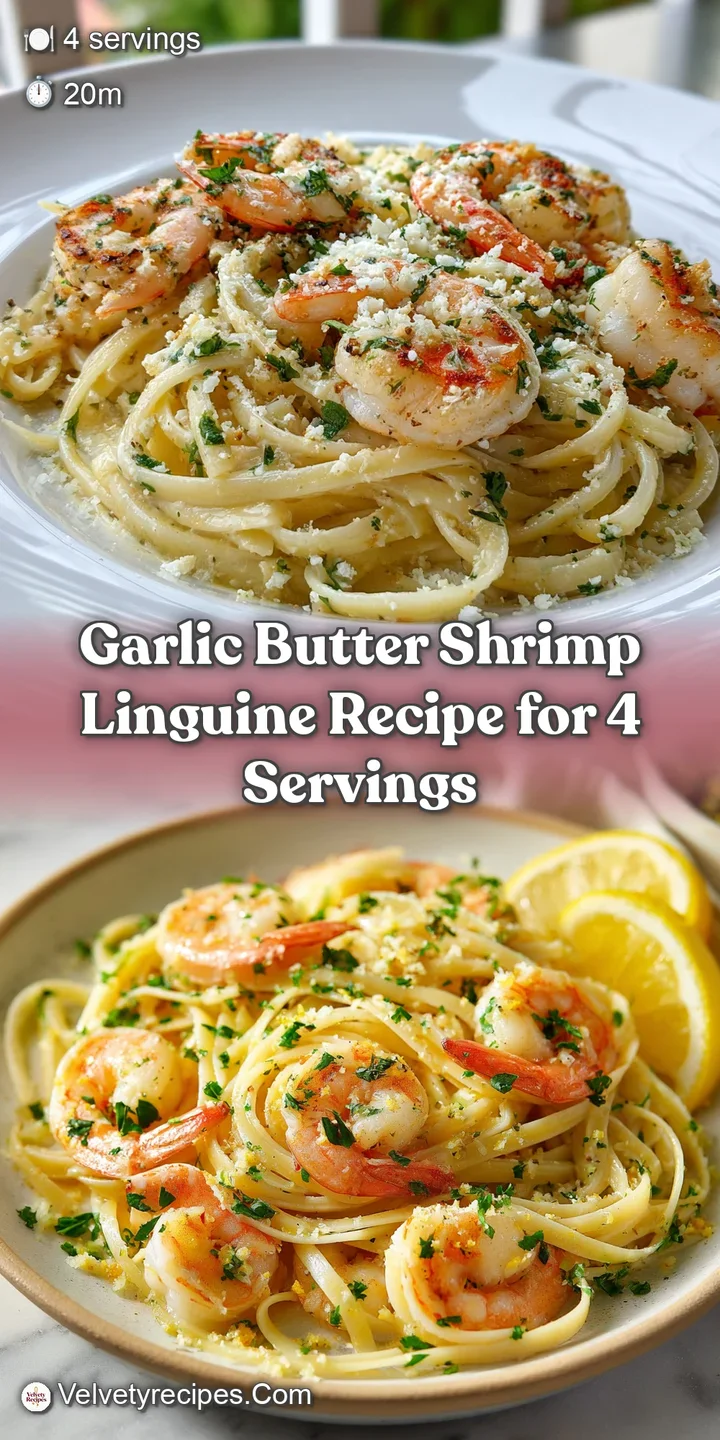
The presentation is where this dish goes from "home cooked" to "professional." I love serving this in wide, shallow bowls. Use your tongs to twirl the 1 lb linguine into a neat nest in the center, then place the shrimp around the edges.
A final dusting of 0.25 cup Parmesan cheese and the remaining parsley should be done right at the table. It looks beautiful and ensures those fresh aromas hit the diners immediately. I usually serve this with a side of crusty sourdough bread to mop up every last drop of that garlic butter sauce.
| Feature | Stovetop Method | Oven Finish Method |
|---|---|---|
| Texture | Glossy and silky | Slightly crusty on top |
| Control | High (constant stirring) | Hands off after prep |
| Speed | 20 minutes total | 30 minutes total |
If you want X, do Y: If you want a thicker sauce, let the pasta water reduce by 1/3 before adding the butter. If you want a milder garlic flavor, smash the cloves instead of mincing them and remove them before tossing the pasta.
If you want a "surf and turf" vibe, add some crispy pancetta bits at the very end.
Kitchen Myths and Truths
There's a lot of old advice floating around about pasta that just isn't true. Let's clear the air so your next batch of shrimp linguine is even better.
Myth: Adding oil to the pasta water prevents sticking. Truth: Oil just floats on top of the water and then coats the pasta as you drain it, which prevents the sauce from sticking to the noodles.
The only way to prevent sticking is to use a large enough pot and stir occasionally during the first 2 minutes of cooking.
Myth: You must rinse shrimp under cold water before cooking. Truth: Rinsing shrimp can actually spread bacteria around your sink and makes it harder to get them dry enough for a good sear. Most modern shrimp are processed very cleanly; just pat them dry with paper towels and you are good to go.
Myth: Alcohol in the wine completely cooks off. Truth: While much of it evaporates, a small percentage remains. More importantly, the wine is there for the tartaric acid and the way it dissolves flavor compounds that water and fat can't touch. It is a flavor carrier, not just a liquid.
HIGH in Sodium
945 mg mg of sodium per serving (41% of daily value)
American Heart Association recommendation: Limit sodium intake to about 2,300mg per day.
Tips to Reduce Sodium
-
Reduce Parmesan-15%
Parmesan cheese contributes significantly to the sodium content. Reduce the amount used or substitute with a low-sodium cheese. Consider using only 1 tablespoon instead of 0.25 cup, or try a low-sodium ricotta salata. This will have a noticeable impact on sodium without sacrificing all the cheesy flavor.
-
Limit Added Salt-25%
The recipe calls for 2 tablespoons of kosher salt which is a major contributor to the overall sodium content. Try cutting this amount in half to start. Taste the pasta water before salting to avoid over salting; remember, you can always add more, but you can't take it away!
-
Boost with Lemon-10%
Enhance the flavor of the dish with more fresh lemon juice and zest. This helps to brighten the dish and offset the need for as much salt. Increasing lemon enhances the flavor profile, so less salt is needed.
-
Explore Herbs & Spices
Experiment with fresh herbs like basil, oregano, or thyme to add depth of flavor. These additions can help you reduce reliance on salt without compromising taste. Fresh or dried herbs and spices contribute to the overall flavor!
Recipe FAQs
What's the secret to flavorful shrimp linguine?
It is using starchy pasta water to create a proper emulsified sauce. The starch acts as the bridge between the fat (butter) and the liquid (wine/lemon juice), creating a glossy coating rather than a greasy pool at the bottom of the bowl. If you enjoy learning these foundational techniques, see how the same principle of emulsification works in building a stable dressing in our Mediterranean Chicken Patties recipe.
How to cook shrimp in garlic butter?
Pat the shrimp completely dry and sear them in hot oil for 2 minutes per side until opaque. Use a pan hot enough to sizzle immediately; this builds flavor instead of steaming the protein.
Remove the shrimp from the pan immediately after searing and add them back only during the final minute of tossing with the sauce to prevent them from turning rubbery.
What goes well with shrimp linguine?
Crusty sourdough bread is essential for soaking up extra sauce. A light, crisp side salad with a simple vinaigrette also works well to cut through the richness of the butter sauce. For a heartier meal, pair this with a bright protein dish like our Chicken Piccata with recipe, which uses a similar bright lemon base.
Should you cook shrimp before adding to pasta?
Yes, sear the shrimp separately first to achieve the correct texture and color. Shrimp cooks very quickly, and if you add it raw to the simmering sauce, it will overcook and become tough by the time the linguine is ready.
Cook them until they are just opaque, remove them, and return them at the end for a quick warm-up.
Is it true you must use cold butter when finishing a butter sauce?
Yes, chilled butter is required for a stable, glossy sauce consistency. Adding cold butter piece by piece, off the heat or on very low heat, allows the fat to slowly incorporate with the starchy liquid. This technique, called monter au beurre, prevents the sauce from separating into oil and water.
How to ensure the linguine isn't mushy when tossed in the sauce?
Cook the linguine 2 minutes shy of the package’s recommended al dente time. The residual heat from the sauce and the residual cooking in the starchy water will finish the cooking process perfectly. If you prefer baked pasta dishes where moisture is less critical, you might enjoy the texture control required for our Alabama Chicken Linguine recipe.
Why is my garlic butter sauce breaking and looking oily?
The sauce is breaking because the heat was too high when you added the butter, or you didn't use enough starchy water. If this happens, immediately remove the pan from the heat, add a small splash of warm reserved pasta water, and whisk vigorously to force the fat and liquid back into an emulsion.
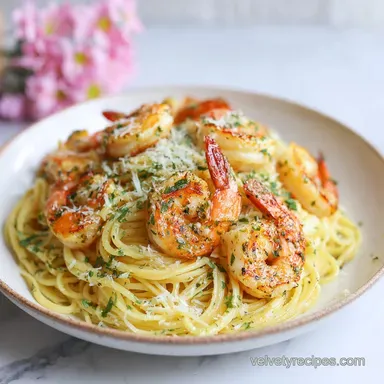
Garlic Butter Shrimp Linguine
Ingredients:
Instructions:
Nutrition Facts:
| Calories | 769 calories |
|---|---|
| Protein | 38.2 g |
| Fat | 27.5 g |
| Carbs | 81.4 g |
| Fiber | 3.8 g |
| Sugar | 2.4 g |
| Sodium | 945 mg |
