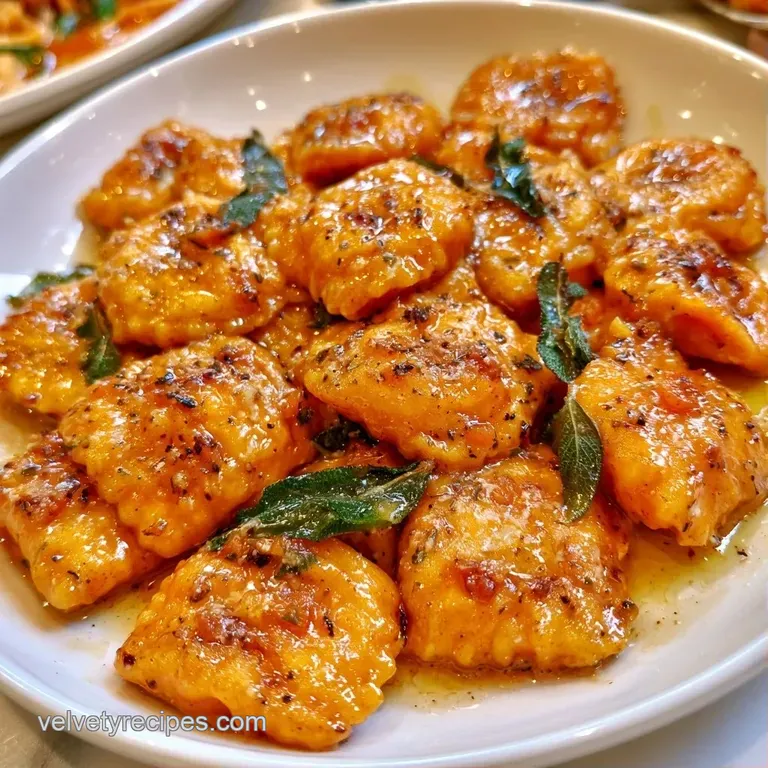
Pumpkin Ravioli with Sage Brown Butter

- Time: 30 min active + 30 min resting
- Flavor/Texture Hook: Nutty, browned butter with a creamy, spiced center
- Perfect for: Cozy autumn dinners or an impressive date night
There is something comforting about the scent of butter browning in a pan. As that toasted aroma fills the kitchen and the sage leaves begin to crisp, you can tell the dish will be a success.
I once served these at a small gathering, and the sheer amazement of my guests at seeing fresh, handmade pasta made every bit of the work worth it.
Many shy away from homemade pasta, fearing it's too tedious. In reality, it's more of a meditative rhythm than a difficult task. Creating these Pumpkin Ravioli doesn't require professional skill just a focus on the fundamentals to let the flavors take center stage.
The final result is a rich dish brightened by a splash of lemon juice. We'll use accessible, affordable ingredients and a few clever substitutions that maintain the high quality of the dish.
Homemade Pumpkin Ravioli with Sage Butter
The Gluten Rest: Letting the dough sit for 30 minutes relaxes the proteins. This stops the pasta from snapping back when you roll it thin.
Moisture Control: Straining the ricotta removes excess whey. This keeps the filling thick so your pasta doesn't burst in the pot.
Butter Temperature: Heating butter until the milk solids brown creates a toasted flavor. This cuts through the richness of the squash.
| Method | Time | Texture | Best For |
|---|---|---|---|
| Homemade | 70 min | Tender & Fresh | Special Dinners |
| store-bought | 15 min | Firmer/Denser | Quick Weeknights |
Gathering Your Kitchen Essentials
Picking the right base makes a difference. I usually go for all purpose flour if I'm on a budget, but 00 flour gives a slightly more tender bite. The key is the pumpkin puree; make sure it's the unsweetened kind, not the pumpkin pie mix, or your dinner will taste like dessert.
Detailed Recipe Specifications
For those who like the numbers, here is how the logistics break down for this batch.
| Component | Purpose | Substitute Notes |
|---|---|---|
| 00 Flour | Structure | AP Flour: Works well, slightly heartier texture |
| Pumpkin Puree | Main Flavor | Fresh Roasted Squash: Mash well, may need more straining |
| Ricotta Cheese | Creaminess | Cottage Cheese: Blend first, but will be more watery |
| Unsalted Butter | Sauce Base | Salted Butter: Reduce added salt in the pasta dough |
Tools You Will Need
You don't need a fancy studio to pull this off. A clean counter, a rolling pin, and a large pot of water are your main requirements. If you have a piping bag, it makes filling the pasta much faster, but a small spoon works just as well.
For the Pasta Dough
A fork and a bench scraper help with the initial mixing. Using a rolling pin is traditional, but a pasta machine can save your arms some work.
For the Filling
A medium bowl and a fine mesh strainer for the ricotta are a must. The strainer ensures the filling stays thick and doesn't make the dough soggy.
Putting the Dish Together
1. Mixing the Dough
Create a mound of flour on a clean surface and make a wide well in the center. Crack the eggs into the well and add olive oil and salt. Using a fork, whisk the eggs, slowly incorporating flour from the inner walls until a paste forms.
2. Kneading for Elasticity
Knead the dough by hand for 8-10 minutes. Keep going until the surface is smooth and bounces back when poked. Wrap it in plastic and let it rest for 30 minutes.
3. Prepping the Filling
In a medium bowl, combine the pumpkin puree, strained ricotta, and Parmesan. Stir in the nutmeg, salt, and pepper until the mixture is uniform and velvety. Transfer the mixture to a piping bag for easier assembly.
4. Rolling the Sheets
Divide the rested dough into four pieces. Roll each piece into a thin sheet using a rolling pin or pasta machine. Aim for about 2mm thickness so the pasta is delicate but doesn't tear.
5. Filling and Sealing
Spoon or pipe small mounds of the Pumpkin Ravioli filling approximately 5cm apart on one half of the sheet. Carefully drape the other half of the dough over the filling. Press firmly around each mound to remove air bubbles, then cut into squares with a knife.
6. Boiling the Pasta
Drop the pasta into salted boiling water. Cook for 3-4 minutes until they float to the surface. Use a slotted spoon to remove them carefully.
7. Browning the Butter
In a large skillet, melt the butter over medium heat. Cook until the butter foams and turns a mahogany brown. Add the sliced garlic and sage leaves, frying for 1 minute until the leaves are crisp.
8. The Final Toss
Stir in the lemon juice to brighten the sauce. Add the cooked Pumpkin Ravioli to the pan and toss gently for 1 minute to coat. Garnish with extra Parmesan.
Fixing Common Pasta Issues
When you're first starting with handmade pasta, things can go a bit sideways. The most common issue is the dough feeling too dry or too sticky. If it's too dry, just dampen your hands with water and keep kneading. If it's sticky, a dusting of flour usually clears it right up.
Another thing to watch for is the filling. If it's too runny, it'll steam inside the pasta and create a giant air bubble that pops during boiling. This is why straining the ricotta is non negotiable.
The Air Bubble Burst
If your pasta splits open, it's usually because air was trapped during the sealing process. Use your finger to press the air out from the center toward the edges before you cut the squares.
The Rubbery Texture
Over kneading isn't usually the problem, but skipping the rest period is. Without that 30 minute break, the gluten stays tight, making the pasta tough to roll and rubbery to eat.
Burnt Butter Bitterness
Butter goes from brown to burnt in seconds. Once you see the brown flecks and smell the toast, immediately add the garlic and lemon juice to drop the temperature.
| Problem | Root Cause | Solution |
|---|---|---|
| Ravioli bursting | Trapped air bubbles | Press air out before cutting |
| Dough snapping back | Skipped resting time | Let dough rest 30 mins |
| Filling too watery | Unstrained ricotta | Strain ricotta through cloth |
| Bitter sauce | Overheated butter | Add lemon juice immediately |
Freezing and Reheating Tips
If you have extra Pumpkin Ravioli, don't toss them. You can freeze them, but you have to do it right or they'll clump into one giant pasta brick. Place them on a baking sheet lined with parchment paper and freeze for 2 hours first. Once they are hard, move them into a freezer bag.
For reheating, don't thaw them first. Drop the frozen pasta directly into boiling water. It'll take an extra 2 minutes to cook through, but the texture stays much better.
To minimize waste, save your pumpkin seeds from the original squash. You can make a Toasted Pumpkin Seeds recipe as a crunchy topping for the pasta or a snack for later.
Best Sides for Pasta
Since this dish is quite rich, you want sides that bring some acidity or crunch to the table. A simple arugula salad with a sharp lemon vinaigrette works well to cut through the butter.
If you want something more substantial, roasted Brussels sprouts with a balsamic glaze offer a nice earthy contrast. The bitterness of the sprouts balances the sweetness of the pumpkin.
| For this goal: | Make this change: |
|---|---|
| Firmer pasta | Reduce boiling time by 30 seconds |
| More punchy flavor | Double the nutmeg in the filling |
| Lighter sauce | Use half butter and half olive oil |
Different Ways to Serve
Feel free to customize the filling to suit your taste. For a Vegan Pumpkin Ravioli, replace the eggs with a blend of flour, water, and a pinch of cornstarch, and use a cashew based ricotta. While it lacks the same snap as traditional egg pasta, it remains satisfyingly hearty.
To add a more savory depth, stir in a bit of crumbled goat cheese or a pinch of ground cloves. The tanginess of the goat cheese creates a wonderful balance with the sweetness of the squash.
For a light dessert to follow your meal, try these Pumpkin Cinnamon Bars.
Another simple tweak is to substitute the sage with fresh rosemary. This gives the brown butter a woody, piney aroma that feels very classic. Just ensure you mince the rosemary finely so you don't find any "needles" in your sauce.
Debunking Pasta Myths
Some believe that adding oil to the pasta water prevents sticking, but this is a myth. The oil simply floats on the surface and actually stops the sauce from clinging to the pasta. Your best bet is to use a large pot with plenty of water.
There is also a common belief that a pasta machine is required for "authentic" ravioli. In reality, a rolling pin works perfectly well. The only difference is the effort required from your arms, and the flavor is just as good.
Crafting Pumpkin Ravioli is a matter of patience and intuition. Don't worry if your squares aren't perfectly uniform or if the first few look a bit odd. Once they are coated in that brown butter sauce, everything comes together. It's a sophisticated, home cooked meal that doesn't require a professional kitchen.
Recipe FAQs
What sauce pairs best with pumpkin ravioli?
Brown butter with sage and lemon. The toasted notes and acidity cut through the richness of the pumpkin. If you loved the balance of savory and sweet here, see how we apply similar flavor profiling in our spiced pumpkin treats.
How to prevent the filling from leaking?
Strain the ricotta cheese before mixing it with the pumpkin puree. This removes excess whey to keep the filling thick and stable during boiling.
Is it true that pasta dough only needs a short knead?
Actually, that is not the case. Knead the dough for 8-10 minutes to develop the gluten, ensuring a smooth and elastic texture.
Can I use all-purpose flour instead of 00 flour?
Yes, all-purpose flour works well. While 00 flour is silkier, all-purpose provides a heartier bite that holds the filling perfectly.
Pumpkin Ravioli with Brown Butter