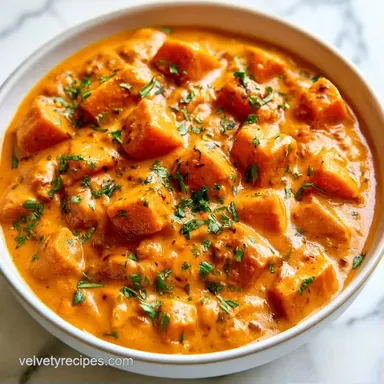
Pumpkin Curry Thai: Rich and Hearty
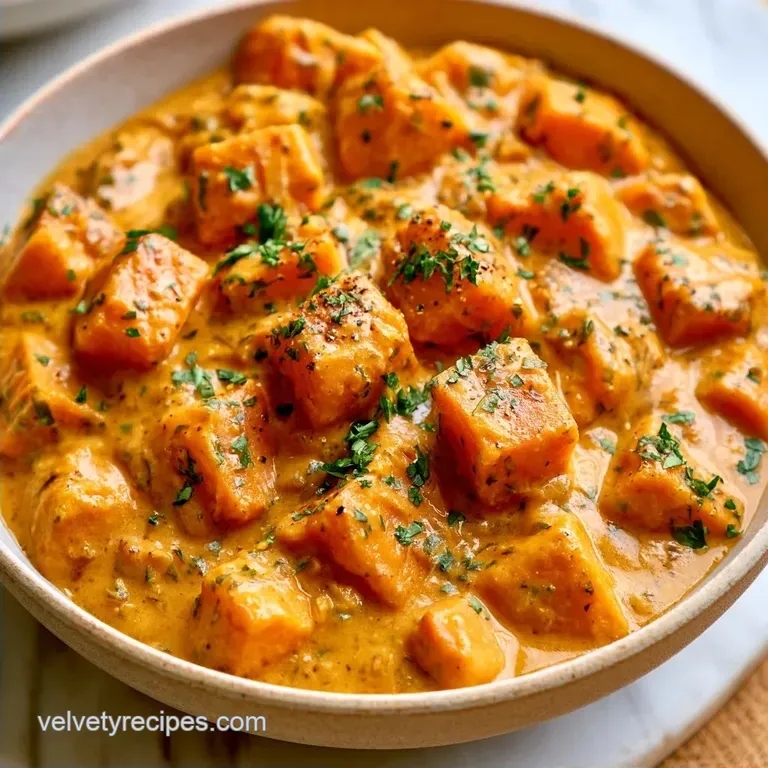
- Time: 15 min active + 40 min cooking
- Flavor/Texture Hook: Rich, mahogany colored sauce with tender, structured pumpkin cubes
- Perfect for: Hearty weeknight dinners or cozy meal prep
In Thai street food culture, the balance of "Kruang Kaeng" (curry paste) and coconut milk isn't just about heat. It's a dance between salty, sweet, and spicy that defines the region's comfort food.
This dish, specifically the Pumpkin Curry Thai, reflects that tradition by using the natural sweetness of the squash to mellow out the fiery red chilies.
Growing up, I noticed that the best versions of this curry never have that grainy, overcooked texture. The pumpkin should be soft enough to melt in your mouth but firm enough to stay in one piece.
Right then, let's get into how we actually make this happen. This Pumpkin Curry Thai is hearty, filling, and feels like a million dollars without requiring a professional kitchen.
Pumpkin Curry Thai: Hearty Home Style
The logic here is simple. We want deep flavor and structural integrity. By treating the pumpkin like a piece of protein and searing it first, we lock in the shape.
Blooming the Paste: Frying the red curry paste in oil first releases fat soluble flavors. It changes the taste from raw and sharp to rounded and deep.
The Sugar Balance: Coconut sugar doesn't just add sweetness. It helps the sauce thicken and gives the Pumpkin Curry Thai a glossy finish.
| Method | Time | Texture | Best For |
|---|---|---|---|
| Fast Sauté | 30 min | Softer pumpkin | Quick lunch |
| Classic Simmer | 55 min | Defined cubes | Family dinner |
If you're in a rush and want something even faster, my curry pumpkin soup recipe is a great alternative.
What Each Ingredient Does
Getting the right pumpkin is where most people trip up. I always go for Kabocha or sugar pumpkins. Standard carving pumpkins are too watery and will disintegrate, ruining the Pumpkin Curry Thai.
| Component | Purpose | Substitute Notes |
|---|---|---|
| Red Curry Paste | Heat and base flavor | Panang paste for a creamier, nuttier taste |
| Full Fat Coconut Milk | Creaminess and body | Light coconut milk makes the sauce thinner |
| Sugar Pumpkin | Hearty bulk | Butternut squash works but is slightly sweeter |
| Thai Basil | Peppery, anise finish | Regular basil is okay, but lacks the punch |
The Shopping List
- 2 tbsp coconut oil
- 3 tbsp Thai red curry paste Why this? Provides the essential heat and aromatic base
- 3 cloves garlic, minced
- 1 tbsp fresh ginger, grated
- 1 medium yellow onion, diced
- 2 lbs sugar pumpkin or Kabocha squash, peeled and cubed into 1 inch pieces Why this? Holds shape better than carving pumpkins
- 1 red bell pepper, sliced
- 2 medium carrots, sliced into rounds
- 1 cup frozen peas or snap peas
- 1 can (13.5 oz) full fat coconut milk Why this? Essential for a rich, non separated sauce
- 1 cup vegetable broth
- 2 tbsp soy sauce
- 1 tbsp coconut sugar
- 1 tbsp lime juice, freshly squeezed
- 1/2 cup fresh Thai basil leaves
- 1/4 cup fresh cilantro, chopped
- 1 sliced red chili
Chef's Note: Don't bother with low-fat coconut milk. The fat is what carries the spices and gives the Pumpkin Curry Thai that rich mouthfeel.
Tools for the Job
Only a few basics are necessary, but a heavy-bottomed pot is non-negotiable. A Dutch oven is the top choice since it spreads heat evenly, stopping the curry paste from scorching during the blooming stage.
I also recommend using a sharp chef's knife. Cutting the pumpkin into uniform 1-inch cubes is the only way to ensure they all finish cooking simultaneously. Otherwise, the smaller pieces will dissolve into the sauce while the larger ones remain raw.
From Prep to Plate
The flow of this Pumpkin Curry Thai is all about the order of operations. We sear, then bloom, then simmer.
Prepping the Produce
Peel the pumpkin and cut into uniform 1 inch cubes. Slice your carrots and peppers into similar thicknesses. This ensures nothing overcooks.
Searing and Blooming
Heat coconut oil in a large pot over medium high heat. Add pumpkin cubes and sear for 5-7 minutes until the edges are golden brown. Remove the pumpkin and set it aside.
In the same oil, sauté the onion, carrots, and peppers until they soften. Stir in the red curry paste, garlic, and ginger. Cook for 2 minutes until the paste is fragrant and turns a deep mahogany color.
Simmering to Perfection
Pour in the coconut milk and vegetable broth, stirring until the paste dissolves. Return the seared pumpkin to the pot. Stir in the soy sauce and coconut sugar.
Lower the heat to a simmer and cover the pot. Cook for 15-20 minutes until the pumpkin is tender but still holds its shape.
The Final Fold
Stir in the frozen peas and lime juice. Remove the pot from the heat immediately. Fold in the Thai basil and cilantro. This keeps the herbs bright and green rather than brown and wilted.
How to Fix Common Problems
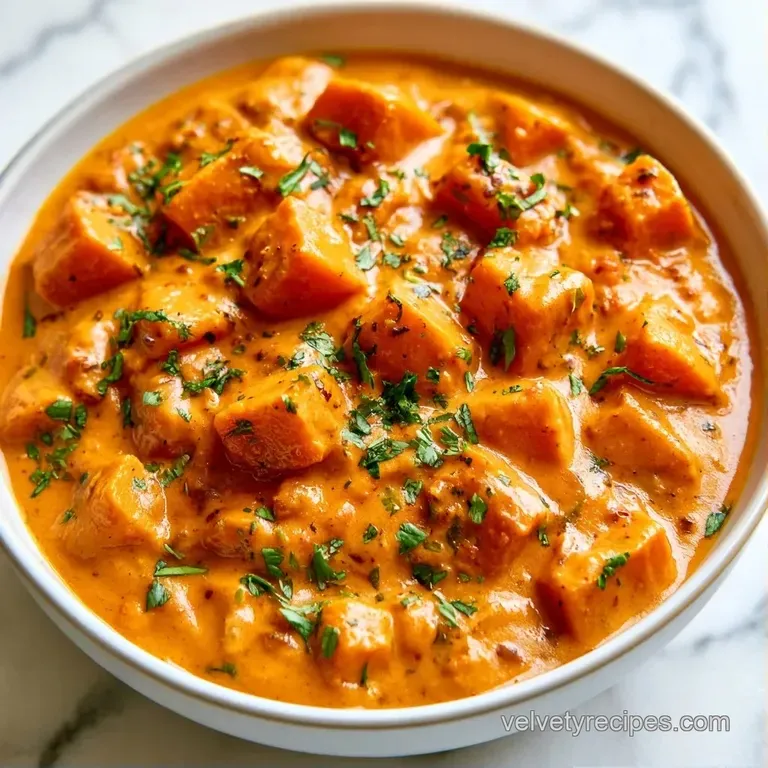
Even with a plan, things happen in the kitchen. Usually, it comes down to the type of squash or the heat of the stove.
Pumpkin is turning into mush
This usually happens if you use a pumpkin with too much water or skip the searing step. Searing creates a crust that acts like a shield during the simmer.
The sauce is too thin
If the sauce looks more like a soup than a curry, you likely simmered it too quickly without enough reduction. You can simmer it uncovered for 5 more minutes to thicken.
The flavor is too spicy
Some red curry pastes are hotter than others. A splash more coconut milk or a pinch more coconut sugar can neutralize the heat.
| Problem | Fix |
|---|---|
| Mushy Pumpkin | Sear cubes first; use Kabocha |
| Thin Sauce | Simmer uncovered for 5 mins |
| Too Spicy | Add coconut milk or sugar |
Mix It Up
One of the best things about Thai Pumpkin Curry is its flexibility. You can easily adapt this recipe based on what you have in your refrigerator.
The Protein Boost
To add meat, chicken breast or shrimp are the best options. Sauté chicken during the searing stage or stir in shrimp for the final 3 minutes of simmering. For another filling meal, try my savory pumpkin lasagna if you're craving something different from a curry.
The Squash Swap | Decision Shortcut
- Extra richness? → Use Kabocha squash
- Lighter texture? → Use Butternut squash
- Faster cook? → Use frozen pumpkin chunks (skip searing)
Dietary Adjustments
To create a Vegan Thai Pumpkin Curry, simply substitute the soy sauce with tamari. As the other components are already plant-based, it makes for an excellent Vegetarian Thai Pumpkin Curry.
Preservation Guidelines
This Thai Pumpkin Curry is even more delicious on day two, as the flavors have more time to develop and the sauce thickens perfectly.
Keep any remaining portions in an airtight container; they will stay fresh in the fridge for up to 4 days. Warm the curry on the stovetop over medium heat, stirring in a splash of water or broth if the sauce needs thinning.
For longer storage, this recipe freezes well for about 3 months. I suggest leaving out the fresh cilantro and basil before freezing, then stirring them in after reheating to keep the flavors bright.
To reduce waste, turn your pumpkin peels into a quick stock or add them to the compost. If you have leftover coconut milk, freeze it in ice cube trays to use in future stir fries.
What to Serve This With
You need something to soak up that rich sauce. Plain jasmine rice is the classic choice, but brown rice adds a nice nutty contrast to the sweet Pumpkin Curry Thai.
For something lighter, try serving it with steamed bok choy or a crisp cucumber salad with rice vinegar. The acidity of a salad cuts through the richness of the coconut milk.
If you're feeling adventurous, serve this as a Thai Pumpkin Curry Soup by adding an extra cup of vegetable broth and thinning the consistency. It's a great way to stretch the meal across more servings.
Why You'll Love This Recipe
This Pumpkin Curry Thai works because it respects the ingredients. We aren't just boiling vegetables in a sauce. We are building layers of flavor through searing and blooming.
The result is a dish that feels balanced. You get the heat from the red curry, the creaminess from the coconut, and the earthiness from the pumpkin. It's a hearty, home style meal that brings the essence of Thailand into your kitchen.
Trust me on this, the effort of searing the pumpkin is what makes this version stand out. It transforms the dish from a basic stew into a structured, professional feeling meal. Just remember to keep those cubes uniform, and you're golden.
High in Sodium
833 mg 833 mg of sodium per serving (36% 36% of daily value)
The American Heart Association recommends a daily sodium limit of 2,300mg to reduce the risk of high blood pressure and heart disease.
Tips to Reduce Sodium
-
Swap the Vegetable Broth-30%
Use low-sodium or no-salt-added vegetable broth instead of standard broth to significantly decrease the salt base of the curry.
-
Switch to Low-Sodium Soy-20%
Replace regular soy sauce with low-sodium soy sauce or coconut aminos to maintain the savory umami flavor with much less salt.
-
Modify Curry Paste-20%
Select a low-sodium Thai red curry paste or make your own paste at home to avoid the high preservative salt found in commercial brands.
-
Enhance Fresh Aromatics
Increase the amount of fresh Thai basil, cilantro, and lime juice to brighten the flavor and provide a salt-free taste boost.
Recipe FAQs
Which pumpkin variety works best for this Thai curry?
Use sugar pumpkin or Kabocha squash for the best results. These cultivars have a dense texture that holds up during simmering.
What does pumpkin curry taste like?
It tastes like a balance of creamy coconut milk and spicy red chilies. The natural sweetness of the squash mellows out the heat for a rich, savory finish.
How to keep the pumpkin from turning into mush?
Sear the cubes in coconut oil for 5–7 minutes before simmering. This creates a golden-brown crust that locks in the shape.
Can I substitute the pumpkin with Kabocha squash?
Yes, Kabocha is an excellent choice. It has a similar density and sweetness that complements the red curry paste perfectly.
Is it true that pumpkin is too sweet for a savory Thai curry?
No, and here's why. The salty soy sauce and acidic lime juice balance the natural sugars of the squash.
Why should I sauté the red curry paste first?
Frying the paste for 2 minutes releases fat-soluble flavors. This process changes the taste from raw and sharp to rounded and deep.
Are there other savory ways to use pumpkin?
This would be a great addition to a rustic pasta or stew. If you liked the mix of savory and rich flavors in this dish, you'll love our beef pumpkin chili.
Pumpkin Curry Thai with Coconut Milk