Roasted Garlic Lemon Asparagus
- Time: Active 10 minutes, Passive 12 minutes, Total 22 minutes
- Flavor/Texture Hook: Charred, zesty, and buttery soft center
- Perfect for: Busy weeknight dinners or fancy steakhouse style meals
- Reasons High Heat Makes This Vegetable Taste Incredible
- Breaking Down the Essential Components for Maximum Flavor
- Basic Tools for Getting This Side Dish on the Table
- Step by Step Guide to Roasting Your Green Vegetables
- Avoid Common Roasting Mistakes for Better Vegetable Results
- Creative Ways to Change Up Your Garlic and Lemon
- Safe Storage and Reducing Waste in the Kitchen
- What to Serve with Your Roasted Vegetable Side Dish
- Recipe FAQs
- 📝 Recipe Card
Listen, I used to be the person who steamed asparagus until it looked like a sad, limp noodle. It was gray, it was mushy, and frankly, it tasted like a chore. Then, I had a realization while staring at a bunch of fresh spears on my counter: heat is my friend, not my enemy.
The moment those tips started to sizzle in the oven and that garlic aroma filled my kitchen, I knew I was never going to steam a vegetable again.
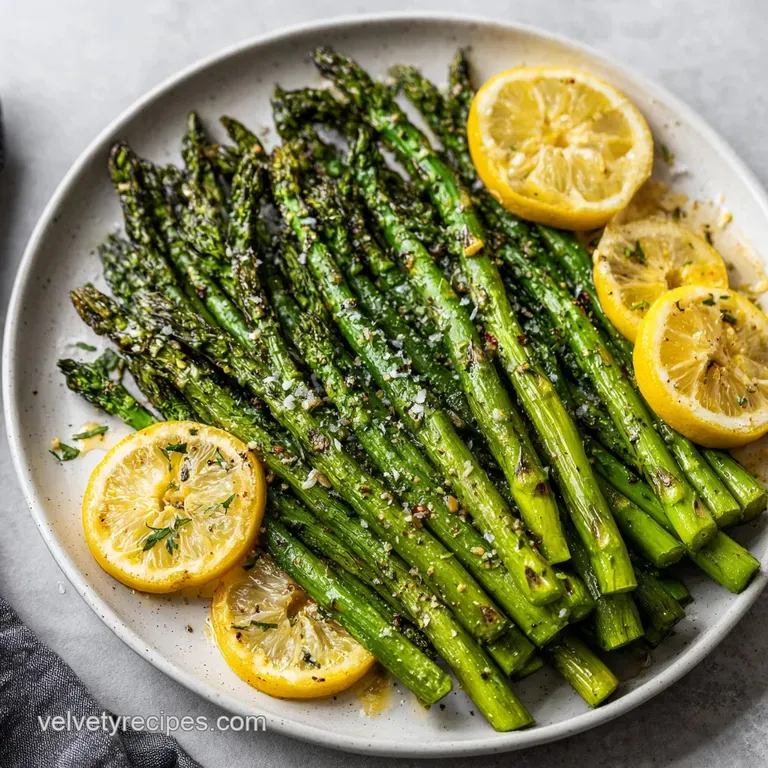
Discover the ultimate way to enjoy tender asparagus with this standout recipe for Asparagus Cooked in the Oven with Garlic and Lemon. This isn't just a side dish; it is the kind of recipe that makes you want to eat the whole tray before it even hits the dinner table.
We are going for that specific texture where the tips are almost as light as air and "shatter" when you bite them, while the stalks remain vibrant and snappy.
I've made every mistake in the book so you don't have to. I’ve burnt the garlic to a bitter crisp, I’ve overcrowded the pan until the asparagus basically boiled in its own juices, and I’ve forgotten the lemon until the dish was cold. Through all those little kitchen disasters, I found the sweet spot.
It's about a over high heat roast, a careful trim, and a punch of citrus right at the finish line to make everything taste like a million dollars.
Reasons High Heat Makes This Vegetable Taste Incredible
- Sugars and Heat: Roasting at 400°F (205°C) triggers the natural sugars in the asparagus to caramelize, creating a deep savory flavor.
- Cellular Breakdown: The intense heat quickly softens the fibrous exterior of the stalks without turning the interior into mush.
- Flavor Carrier: Using extra virgin olive oil allows the minced garlic to cling to the spears, infusing every bite with aromatics.
- Enzymatic Preservation: Adding the lemon juice only after roasting prevents the acid from reacting with the chlorophyll, keeping the spears bright green.
| Method | Time | Texture | Best For |
|---|---|---|---|
| Stovetop Sauté | 8 minutes | Soft and browned | Quick lunch for one |
| Oven Roast | 12 minutes | Crispy tips, tender base | Dinner parties/Steak nights |
| Air Fryer | 7 minutes | Extra crunchy/Slightly dry | Healthy snacking |
Deciding between methods usually comes down to how much you're making. For a full pound of asparagus, the oven is the undisputed king because it gives each spear enough room to breathe.
When you crowd them into a skillet, they end up steaming instead of roasting, and you lose that "shatter" effect on the tips that we all crave. Trust me, the extra four minutes in the oven is worth every second for that professional finish.
Breaking Down the Essential Components for Maximum Flavor
| Ingredient | Science Role | Pro Secret |
|---|---|---|
| Asparagus Spears | Main structural base | Use medium thick spears for the best snap to softness ratio. |
| Extra Virgin Olive Oil | Heat conductor | Don't skimp; the oil is what fries the garlic onto the stalks. |
| Fresh Garlic | Aromatic punch | Mince it finely so it distributes evenly across every single spear. |
| Fresh Lemon | Acid balance | Use the zest for fragrance and the juice for a bright, tangy finish. |
When you are picking out your produce at the market, look for bunches where the tips are tightly closed and not "frazzled" or wet. The thickness of the stalk actually matters quite a bit for our 400°F (205°C) roasting time.
If you have pencil thin spears, they might only need 8 minutes. If you have those monster thick stalks, you might need closer to 14 minutes. I find that a medium width spear is the sweet spot for this specific recipe.
One thing I've learned as a home cook is that the salt matters. If you use standard table salt, it's very easy to over season. Using a coarse kosher salt gives you more control and adds a tiny bit of crunch that feels very gourmet.
It’s these little details that take a dish from "fine" to "I need the recipe right now."
Basic Tools for Getting This Side Dish on the Table
You don't need a lot of fancy gear to make this work, but a rimmed baking sheet is non negotiable. If you use a flat cookie sheet without edges, you're going to have olive oil dripping into the bottom of your oven, and that is a smoke alarm situation nobody wants.
I prefer a heavy duty half sheet pan because it distributes heat more evenly than the thin ones you find at the grocery store.
You'll also need a sharp chef's knife for trimming those woody ends. I used to do the "snap" method where you bend the asparagus until it breaks, but honestly, it wastes a lot of the vegetable. I prefer to line them all up and slice off the bottom 1.5 inches in one go.
It looks cleaner on the plate and ensures you get every bit of the tender part. A microplane or a fine grater is also a lifesaver for getting that lemon zest perfectly fluffy without any of the bitter white pith.
step-by-step Guide to Roasting Your Green Vegetables
- Prep the oven. Preheat your oven to 400°F (205°C). Note: A fully preheated oven is vital for that immediate sizzle.
- Clean and dry. Wash the 1 lb of asparagus and pat them thoroughly dry with a kitchen towel. Note: Water is the enemy of crispiness; any moisture left will cause steaming.
- Trim the ends. Slice off the bottom 1.5 inches of the bunch to remove the woody, fibrous parts.
- Create the marinade. In a large bowl, whisk 2 tbsp olive oil, 3 minced garlic cloves, 1 tsp salt, and 0.5 tsp pepper.
- Coat the spears. Toss the asparagus in the bowl vigorously until every spear is glistening and covered in garlic.
- Arrange the pan. Spread the spears in a single, even layer on your baking sheet. Note: Overlapping leads to mushy spots.
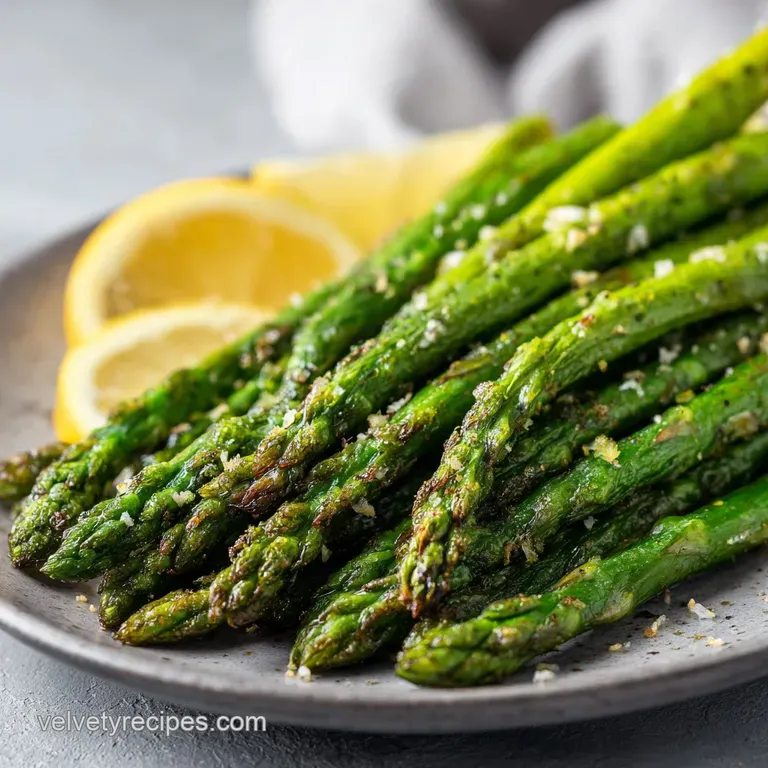
- Roast the batch. Bake for 10–12 minutes until the tips are slightly charred and stalks are tender crisp.
- Zest the lemon. While it roasts, zest your large lemon and measure out 1 tbsp of fresh juice.
- The final toss. Remove from the oven and immediately sprinkle with zest and juice while the pan is still hot.
- Serve immediately. Transfer to a warm plate and enjoy the aroma of roasted garlic and citrus.
Chef's Tip: If you want an even deeper flavor, grate some fresh Parmigiano Reggiano over the top the second it comes out of the oven. The residual heat will melt the cheese into the lemon juice, creating a velvety light sauce.
| Original Ingredient | Substitute | Why It Works |
|---|---|---|
| Extra Virgin Olive Oil | Avocado Oil | Higher smoke point, very neutral flavor for over high heat roasting. |
| Fresh Garlic | Garlic Powder (0.5 tsp) | Good for speed. Note: Lacks the "crunch" of fresh minced garlic. |
| Lemon Juice | White Balsamic Vinegar | Provides the necessary acid with a slightly sweeter, floral note. |
| Kosher Salt | Sea Salt | Similar flake size; provides a clean, salty finish without metallic notes. |
If you find yourself out of lemons, don't panic. Any light acid will work to cut through the richness of the oil and garlic. I've even used a splash of apple cider vinegar in a pinch, though it changes the flavor profile toward something more rustic. The key is that "bright" finish that wakes up the palate.
I actually love making this alongside other roasted dishes to save energy. If you are already doing a OnePan Garlic Potatoes and Asparagus, you can just adjust your timing so everything finishes together. The garlic lemon profile is so versatile it basically goes with everything from salmon to a hearty roast chicken.
Avoid Common Roasting Mistakes for Better Vegetable Results
Why Your Asparagus Came Out Mushy
If your spears look sad and soggy instead of perky and charred, you likely overcrowded the pan. When vegetables are too close together, the moisture they release has nowhere to go, so it surrounds the asparagus in a cloud of steam. This boils the vegetable from the outside in.
To fix this, always use a large enough sheet pan so that no spear is touching its neighbor. If you're doubling the recipe, use two pans!
Why Your Garlic Tastes Bitter
Garlic burns much faster than asparagus cooks. If you mince it into a paste, it might incinerate before the stalks are done. The trick is to toss the garlic with the oil so it’s protected. The oil acts as a heat buffer.
Also, make sure your oven isn't running hotter than 400°F (205°C). If it’s too hot, the garlic will turn black and acrid, ruining the delicate flavor of the lemon.
| Problem | Root Cause | Solution |
|---|---|---|
| Tough/Stringy Stalks | Under trimming | Cut at least 1.5 inches off or until the knife slides through easily. |
| Dull Green Color | Acid added too early | Always add lemon juice AFTER the asparagus is out of the oven. |
| Lack of Flavor | Not enough salt | Season before roasting; salt needs heat to penetrate the vegetable skins. |
Common Mistakes Checklist:
- ✓ Always pat the asparagus completely dry after washing (prevents steaming).
- ✓ Use a rimmed baking sheet to contain the oil and prevent kitchen fires.
- ✓ Don't skip the lemon zest; it contains the essential oils that provide the aroma.
- ✓ Ensure the oven is fully preheated before the pan goes in.
- ✓ Check doneness at 10 minutes; thin spears cook much faster than thick ones.
Creative Ways to Change Up Your Garlic and Lemon
If you want to move beyond the classic lemon garlic profile, there are so many ways to "dress up" this dish without spending more than a few dollars. One of my favorite budget friendly swaps is adding a teaspoon of dried red pepper flakes to the oil mixture.
It gives the dish a "hearty" heat that pairs beautifully with a cold glass of white wine or a heavy pasta dish.
Another great variation is the "Steakhouse Style." Before roasting, toss the spears with a tablespoon of balsamic glaze in addition to the olive oil. The sugar in the balsamic will caramelize even further, creating a sticky, savory crust that feels incredibly indulgent. If you're looking for other roasted side ideas to round out a meal, my Roasted Brussels Sprouts recipe uses a similar over high heat technique that works perfectly in tandem with this one.
For a Mediterranean twist, throw a handful of pine nuts or slivered almonds onto the pan for the last 3 minutes of roasting. They will toast in the garlic oil and add a wonderful crunch that contrasts with the tender asparagus.
It turns a simple side into a "million dollars" salad component if you serve it over a bed of fresh arugula.
Safe Storage and Reducing Waste in the Kitchen
Asparagus is best eaten fresh, but if you have leftovers, they can be stored in an airtight container in the fridge for up to 3 days. Whatever you do, don't microwave them to reheat! That's a one way ticket to Mush Town.
Instead, toss them in a hot skillet for 2 minutes or put them back in a 400°F (205°C) oven for about 4 minutes until they sizzle again.
Don't you dare throw away those woody ends you trimmed off! Even though they are too tough to eat roasted, they are packed with flavor. Throw them into a freezer bag and save them for the next time you make vegetable or chicken stock. They add a beautiful earthy depth to soups.
If you have leftover roasted spears that are starting to lose their crunch, chop them up and fold them into a morning omelet or a quiche. The garlic and lemon flavor is already there, so it makes for the easiest gourmet breakfast ever.
What to Serve with Your Roasted Vegetable Side Dish
This recipe is a total chameleon in the kitchen. Because the flavors are so clean lemon, garlic, and high-quality oil it won't clash with your main course. It is a natural partner for seafood.
Think of a flaky white fish or seared scallops; the lemon juice on the asparagus acts as a built in sauce for the protein. It's the kind of meal that feels light but deeply satisfying.
If you are going for a more "hearty" comfort meal, serve these alongside a roasted chicken or even a thick cut pork chop. The acidity of the lemon cuts right through the fat of the meat, cleaning your palate between bites.
I’ve even served these at room temperature as part of a big antipasto platter with cured meats and olives. They hold their own beautifully even when not piping hot, making them a great option for potlucks or buffet style dinners where you can't worry about exact timing.
Honestly, sometimes I just make a double batch and call it dinner with a couple of fried eggs on top. The runny yolk mixes with the lemon and garlic oil to create this incredible, rich sauce that you'll want to soak up with a piece of crusty bread.
It’s simple, budget friendly, and feels much fancier than a 22 minute recipe has any right to be. Give it a try, and I promise you’ll never look at a bunch of asparagus the same way again.
Recipe FAQs
Is it true that thicker asparagus stalks take longer to roast?
Yes, this is a reality. Thicker stalks require the full 12 minutes to become tender crisp, while very thin spears may be ready in closer to 10 minutes.
How to ensure the asparagus gets crispy rather than mushy?
Pat the spears completely dry after washing to prevent steaming. Arrange them in a single, non-overlapping layer on your baking sheet so the heat can circulate effectively.
Is it necessary to peel the asparagus spears before roasting?
No, peeling is unnecessary. Simply trimming off the bottom 1.5 inches of the woody ends is sufficient to ensure a pleasant texture.
How to tell if the asparagus is fully cooked?
Look for tips that have developed a slight char and stalks that are tender crisp. If you enjoyed mastering this high heat roasting technique, see how we use similar principles to achieve a perfect crust in our garlic butter chicken.
Can I use dried garlic instead of fresh minced garlic?
Yes, but fresh is significantly better for flavor. If you must use dried, reduce the amount to 1/2 teaspoon as the flavor is more concentrated.
Should the lemon juice be added before or after roasting?
Add the lemon juice only after removing the asparagus from the oven. Adding it beforehand can cause the acid to dull the vibrant green color of the spears.
How to store leftover roasted asparagus?
Keep leftovers in an airtight container in the refrigerator for up to two days. Reheat them briefly in a hot oven or skillet to regain some of their original texture.
Roasted Garlic Lemon Asparagus
Ingredients:
Instructions:
Nutrition Facts:
| Calories | 89 calories |
|---|---|
| Protein | 2.7 g |
| Fat | 7.1 g |
| Carbs | 5.9 g |
| Fiber | 2.5 g |
| Sugar | 0.9 g |
| Sodium | 584 mg |
