Spatchcock Chicken: Crispy and Juicy
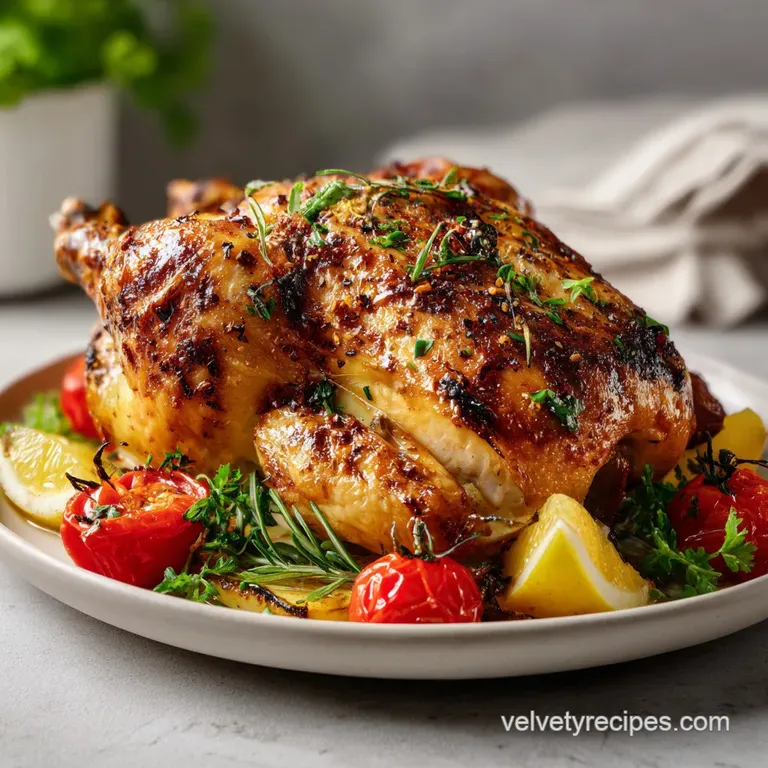
- Time: Active 15 minutes, Passive 45 minutes, Total 60 minutes
- Flavor/Texture Hook: Shatteringly crisp skin with garlic herb infused meat
- Perfect for: High speed Sunday roasts or impressive weeknight dinners
- Why This Works
- Essential Planning for Your Perfect Weeknight Roast
- The Only Tools Needed for a Flawless Result
- Transforming the Bird with These Simple Steps
- Solving Common Issues for the Juiciest Results
- Adapting Your Spatchcock Chicken with Creative Swaps
- Preserving Leftovers and Ensuring Perfect Reheating Later
- How to Serve and Enjoy
- Very High in Sodium
- Recipe FAQs
- 📝 Recipe Card
Forget everything you know about the "proper" way to roast a whole bird because trussing it like a mummy is actually doing you zero favors. I used to spend two hours hovering over the oven, praying the breasts wouldn't turn into sawdust before the legs were safe to eat.
Then I discovered the spatchcock method, and honestly, it felt like I’d been lied to my entire life. You don't need fancy twine or a vertical roaster; you just need a pair of sturdy kitchen shears and a bit of confidence to hear that satisfying "crack" of the breastbone.
The magic happens the moment you lay that 1.7 kg (3.75 lb) bird flat on the tray. Suddenly, every square inch of skin is facing the heat, rather than being tucked away in soggy crevices. It’s a total game changer for anyone who lives for that golden, crackling exterior but hates babysitting a thermometer.
I’ve made this for my family on a Tuesday night and had it on the table faster than we could have ordered a mediocre takeaway. It tastes like a million dollars, but the effort is hilariously low.
We’re going to stop treating the chicken like a 3D sculpture and start treating it like a high performance flat lay. When you flatten the bird, you’re creating a uniform thickness that allows the oven's heat to circulate evenly. No more raw joints or chalky fillets.
Just a beautifully browned, herb crusted masterpiece that carves like a dream. Let’s get into the "how" and "why" so you can pull this off tonight without a single hitch.
Why This Works
1. Unified Thermal Geometry
By removing the backbone, we transform the chicken from a hollow cylinder into a flat plane. In a traditional roast, the heat has to penetrate through the cavity and thick layers of muscle, which takes forever.
When flat, the thermal energy reaches the center of the meat from both sides simultaneously, slashing the spatchcock chicken cooking time down to just 45 minutes.
2. Maximum Skin to Heat Exposure
When a chicken is roasted whole, the skin on the underside and near the wings often stays pale and rubbery because it's shielded from the direct airflow. Spatchcocking forces every bit of skin to face upwards.
This allows the fat to render out efficiently, frying the skin in its own juices until it reaches a shatter crisp texture that you just can't get any other way.
3. Accelerated Maillard Reaction
Because the surface area is maximized and the bird sits on a wire rack, the hot air (200°C/400°F) hits the seasoning immediately. The combination of smoked paprika and garlic powder undergoes the Maillard reaction much faster on a flat surface, creating those deep, savory crust notes that make the kitchen smell like a professional rotisserie shop. If you’re looking for a similar flavor profile with less butchery, you might enjoy this Easy Baked Ricotta Chicken for another night.
| Thickness | Internal Temp | Rest Time | Visual Cue |
|---|---|---|---|
| 1.5 inches (Flat) | 165°F (74°C) | 10 mins | Juices run clear when poked |
| 2 inches (Drumstick) | 175°F (79°C) | 10 mins | Meat pulls away from bone |
| 0.5 inches (Wing) | 185°F (85°C) | 5 mins | Skin is dark gold and stiff |
Getting the internal temperature right is the difference between a "good" chicken and a "how did you do this?" chicken. Always aim for that 165°F (74°C) mark in the thickest part of the breast.
The carryover cooking will take care of the rest while the bird rests on the counter, ensuring the fibers relax and hold onto all that liquid gold.
Component Analysis
| Ingredient | Science Role | Pro Secret |
|---|---|---|
| Kosher Salt | Protein Denaturation | Dry brine for 1 hour to deeply season the muscle fibers. |
| Smoked Paprika | Sugar Caramalization | Provides the "red" hue that looks like a wood fired grill. |
| Smashed Garlic | Aromatic Infusion | Keeping them whole prevents burning while releasing oils. |
| Lemon Rounds | Humidity Control | Steam from the lemons keeps the bottom of the meat moist. |
Essential Planning for Your Perfect Weeknight Roast
The beauty of this roasted spatchcock chicken is that the ingredient list is leaning on pantry staples that punch way above their weight class. We are using a 3.75 lb whole chicken, which is the "Goldilocks" size not so big that it stays raw in the middle, but large enough to feed four hungry people.
The olive oil isn't just for flavor; it’s the heat conductor that ensures the dry rub doesn't just sit on the surface and burn.
I always tell my friends to be picky about their salt. We're using 1 tbsp of kosher salt here because the larger grains cover more surface area without making the dish an absolute salt bomb. If you only have table salt, cut the amount in half, or you'll be reaching for water all night.
The dried thyme and rosemary provide that earthy, woody backbone that makes the house smell like a cozy bistro.
- 3.75 lb whole chicken Why this? Perfect fat to meat ratio for over high heat roasting. (Substitute: Two cornish hens)
- 2 tbsp extra virgin olive oil Why this? High smoke point and rich mouthfeel. (Substitute: Ghee or melted butter)
- 1 tbsp kosher salt Why this? Best for even coverage and moisture draw. (Substitute: 1.5 tsp fine sea salt)
- 1 tsp smoked paprika Why this? Adds "fire roasted" depth without a grill. (Substitute: Sweet paprika)
- 1 tsp garlic powder Why this? Even distribution unlike fresh minced garlic. (Substitute: Onion powder)
- 0.5 tsp cracked black pepper Why this? Adds a sharp, pungent bite. (Substitute: White pepper)
- 1 tsp dried thyme Why this? Concentrated herb flavor that survives high heat. (Substitute: Dried oregano)
- 1 whole lemon Why this? Brightens the pan drippings for a built in sauce. (Substitute: 1 large orange)
- 4 cloves garlic Why this? Infuses the steam under the bird. (Substitute: 2 shallots, halved)
- 3 sprigs fresh rosemary Why this? The ultimate aromatic for poultry. (Substitute: Fresh sage)
The Only Tools Needed for a Flawless Result
You don't need a drawer full of gadgets to master how to spatchcock a chicken, but one tool is non negotiable: heavy duty kitchen shears. Don't try to use your office scissors or a dull chef's knife. You're cutting through rib bones, and you need the leverage that shears provide.
If you try to use a knife, you risk slipping, and nobody wants a trip to the ER on chicken night.
The second "must have" is a rimmed baking sheet with a wire rack. This is my secret weapon for preventing the "soggy bottom." If the chicken sits directly on the tray, it boils in its own juices. By lifting it up, the hot air can circulate underneath the bird, crisping the skin on the thighs and legs from all angles.
It also allows the lemon and garlic aromatics to perfume the meat without the chicken actually touching them and getting mushy.
Finally,, grab a reliable digital meat thermometer. When you're cooking at 200°C (400°F), the window between "perfect" and "overcooked" is about five minutes.
I always pull my bird at 160°F because I know it will hit that safe 165°F while it rests. Trust the numbers, not just the color of the skin.
Transforming the Bird with These Simple Steps
- The Spatchcock. Place the 3.75 lb chicken breast side down on a clean board. Using shears, cut along one side of the backbone from the tail to the neck. Note: Keep the backbone for making stock later!
- Remove Spine. Repeat the cut on the other side of the spine to remove it entirely. Flip the bird over so the breasts face up.
- The Crack. Place your palms on the center of the breastbone and press down firmly until you hear a crack. The chicken should now lie completely flat.
- Dry the Skin. Pat the skin extremely dry with paper towels. Note: Moisture is the enemy of crispiness; don't skip this!
- Oil it Up. Rub the 2 tbsp olive oil over every surface of the chicken, including the underside.
- Season Heavily. Mix the salt, paprika, garlic powder, pepper, and thyme. Sprinkle the spatchcock chicken seasoning from about 12 inches high to ensure it doesn't clump.
- Prep the Tray. Scatter lemon rounds, 4 smashed garlic cloves, and 3 rosemary sprigs on your baking sheet. Place the wire rack on top.
- Position the Bird. Lay the chicken on the wire rack over the aromatics. Tuck the wing tips under the breast so they don't burn.
- The Roast. Place in a preheated 200°C (400°F) oven. Roast for 45 minutes until the skin is dark gold and the internal temp is 165°F.
- The Rest. Move the chicken to a cutting board and let it sit for 10 minutes before carving. Note: This keeps the juices inside the meat rather than on the board.
Solving Common Issues for the Juiciest Results
The "Soggy Bottom" Syndrome
This happens when the chicken isn't elevated or if there's too much liquid in the pan. If your chicken feels soft underneath, it's likely because it sat in its own rendered fat. The wire rack is the only way to solve this.
If you don't have a rack, you can create a "bed" of thick cut root vegetables (like carrots or potatoes) to lift the bird up, but a metal rack provides the best airflow.
The Rubbery Skin Disaster
If your skin is pale and chewy instead of crispy, your oven might be running cold, or you didn't dry the skin well enough. Water on the surface of the skin creates steam, which prevents the fat from rendering. Always use a paper towel to blot the bird until the towel comes away bone dry. Also, avoid basting!
Pouring liquid over the chicken mid roast just softens the skin we worked so hard to crisp up.
The "Inaccurate Temp" Trap
Sometimes the breast looks done, but the joints are still bloody. This is why we flatten the bird! If you're still seeing this, make sure you aren't touching the bone with your thermometer probe. Bones conduct heat differently than meat and will give you a false high reading.
Aim for the thickest part of the muscle, away from any cartilage or bone.
| Problem | Root Cause | Solution |
|---|---|---|
| Burnt spices | Seasoning clumping or oven too hot | Sprinkle from a height and check oven calibration. |
| Dry breast meat | Cooked past 165°F | Pull the bird at 160°F and let carryover heat finish it. |
| Smokey kitchen | Fat dripping onto a dry pan | Add 1/4 cup water to the bottom of the tray to catch drips. |
Common Mistakes Checklist
- ✓ Forgetting to dry the chicken (leads to steaming instead of roasting)
- ✓ Using a flat tray without a rack (results in a soggy underside)
- ✓ Crowding the pan with too many veggies (blocks the airflow to the legs)
- ✓ Cutting the breast immediately (all the juice will run out)
- ✓ Not tucking the wing tips (they will turn into charcoal)
Adapting Your Spatchcock Chicken with Creative Swaps
If you’re feeling adventurous, this easy whole roasted chicken is the perfect canvas for different flavors. For a Mediterranean vibe, swap the smoked paprika for dried oregano and use lemon zest in the rub.
I’ve even done a spicy version where I mixed honey into the olive oil and added a teaspoon of cayenne pepper it creates a sticky, spicy glaze that is absolutely addictive.
For those who want a completely different flavor profile, you could try a Hibachi Chicken style seasoning with ginger and soy, though you'd want to be careful with the sugars in the soy sauce to prevent burning at 200°C. If you prefer a more traditional "Sunday roast" feel, replace the rosemary with sage and onion powder for that classic stuffing inspired aroma.
Mediterranean Citrus & Herb Twist
Instead of the standard rub, use 2 tbsp of lemon juice mixed with the oil and add 2 tsp of dried oregano. Place orange slices under the bird instead of lemon. This version is much brighter and pairs beautifully with a side of feta topped Greek salad.
The acidity in the citrus helps break down the skin proteins even further, leading to a very delicate, paper thin crispiness.
The Spicy Harissa Swap
Rub the bird with 2 tbsp of Harissa paste mixed with the olive oil. Skip the paprika and thyme. The chiles in the Harissa will char slightly in the oven, giving the chicken a smoky, North African flair. This is a bold move, so make sure you have some cooling yogurt or a cucumber salad on the side to balance the heat.
| Method | Time | Texture | Best For |
|---|---|---|---|
| Standard Oven | 45 min | Crispy & juicy | Every day family meals |
| Air Fryer | 35 min | Ultra crispy | Small birds (under 3 lbs) |
| Outdoor Grill | 40 min | Smoky & charred | Summer cookouts |
Preserving Leftovers and Ensuring Perfect Reheating Later
Leftover roasted spatchcock chicken is a gift that keeps on giving. I usually shred the remaining meat to use in salads, tacos, or even a quick pasta. The key is to store it correctly so it doesn't dry out. Put the meat in an airtight container as soon as it reaches room temperature.
Don't leave it out on the counter for more than two hours, or you're inviting unwanted bacteria to the party.
- Fridge: Stores well for up to 4 days. Keep the skin on if you plan to reheat it in the oven to protect the meat.
- Freezer: You can freeze the cooked meat for up to 3 months. I recommend removing the bones first to save space.
- Zero Waste Tip: Never throw away that backbone or the carcass! Throw them into a pot with some veggie scraps and water to make the most incredible homemade chicken stock you've ever tasted. It freezes beautifully in ice cube trays for future sauces.
When it comes to reheating, the microwave is the enemy of crispy skin. If you want that crunch back, put the chicken on a foil lined tray and pop it into a 180°C (350°F) oven for 10-12 minutes. This gently warms the meat while re crisping the fat in the skin.
If you're in a rush, a quick pan sear with a splash of water and a lid can help steam the meat back to life without making it rubbery.
How to Serve and Enjoy
Once your chicken has rested for those crucial 10 minutes, carving is a breeze. Since it's already flat, you can easily slice through the joints to separate the drumsticks, thighs, and wings. For the breast, I like to cut it into thick slices against the grain.
This ensures every piece has a bit of that seasoned skin attached. Pour any of those accumulated juices from the resting board back over the meat that's pure flavor!
The lemon and garlic that roasted under the bird will be soft and caramelized. I love smashing the roasted garlic cloves into a paste and spreading it directly onto pieces of crusty bread. The lemon rounds can be squeezed over the meat for an extra hit of acidity that cuts right through the richness of the chicken fat.
It’s these little details that make a simple roast feel like a chef led meal.
The Pan Dripping Vinaigrette
While the chicken rests, take the juices from the baking sheet (after removing the garlic and rosemary stems) and whisk them with a teaspoon of Dijon mustard and a splash of apple cider vinegar. This creates a "warm vinaigrette" that is incredible drizzled over the chicken or a side of roasted potatoes.
It captures all the essence of the spatchcock chicken in a concentrated sauce.
The Classic Roasted Root Pairing
Since your oven is already at 200°C, take advantage of it! Toss some halved baby potatoes and carrots in olive oil and salt and roast them on a separate tray at the same time as the chicken. They will finish right as the chicken is done resting.
The sweetness of the roasted carrots balances the savory, smoky notes of the paprika rub perfectly. It’s the ultimate "one oven" meal that looks like you spent hours in the kitchen when you really just mastered the art of the spatchcock.

Very High in Sodium
1450 mg 1450 mg of sodium per serving (63% 63% of daily value)
The American Heart Association recommends limiting sodium intake to no more than 2,300mg per day, with an ideal limit of about 1,500mg per day for most adults.
Tips to Reduce Sodium
-
Significantly Reduce Kosher Salt-25%
The primary sodium source is the 1 tbsp of kosher salt. Reduce this to 1 teaspoon, which will drastically cut down on sodium without sacrificing much flavor.
-
Enhance Flavor with Lemon & Garlic
Increase the use of lemon slices and smashed garlic cloves. Their acidity and aroma can compensate for reduced salt, adding bright and savory notes.
-
Embrace Fresh and Dried Herbs
The recipe already includes dried thyme and fresh rosemary. Consider adding other no-sodium herbs like parsley or oregano to further boost flavor complexity.
-
Amp Up Spices
You're using smoked paprika, garlic powder, and black pepper. Consider adding a pinch of cayenne pepper or other no-sodium spice blends for a little heat and depth.
Recipe FAQs
How long does spatchcock chicken take to cook?
Expect a total cooking time of about 45 minutes. This is significantly faster than a traditional whole roast because flattening the bird increases surface area exposure to the oven's heat.
Can a diabetic eat baked chicken?
Yes, this is an excellent choice for a diabetic friendly meal. Since this preparation relies on olive oil, fresh herbs, and spices rather than sugary glazes or heavy breads, it provides high-quality protein without spiking blood glucose levels.
What does it mean to spatchcock a chicken?
Spatchcocking is the technique of removing the backbone to flatten the chicken. By breaking the breastbone, the bird lies completely level on your rack, which ensures the legs and breasts finish cooking at the same time.
How to spatchcock a chicken?
Cut along both sides of the backbone using kitchen shears to remove it entirely. Once the spine is discarded, flip the bird over and press firmly down on the center of the breastbone until you hear it crack, allowing the chicken to lay flat on your baking surface.
Is it true I must roast the chicken directly on the pan to get crispy skin?
No, this is a common misconception. You should always use a wire rack over your aromatics; if you place the chicken directly on the pan, the underside will sit in its own juices and steam rather than turning crispy. If you enjoyed mastering the rack roasting technique here, you can apply that same airflow principle to other poultry dishes for consistently golden skin.
What is the secret to juicy meat?
The secret is resting the meat for at least 10 minutes before carving. If you cut into the breast immediately after taking it out of the oven, all the natural juices will run out onto the board instead of staying in the muscle fibers.
How to prevent the wing tips from burning?
Tuck the wing tips behind the shoulder joints before roasting. This simple adjustment protects the delicate cartilage and meat from the direct heat, preventing them from turning into charcoal while the rest of the bird cooks.
Roasted Spatchcock Chicken
Ingredients:
Instructions:
Nutrition Facts:
| Calories | 584 calories |
|---|---|
| Protein | 54 g |
| Fat | 39 g |
| Carbs | 2.5 g |
| Fiber | 0.8 g |
| Sugar | 0.4 g |
| Sodium | 1450 mg |
