Spinach Stuffed Chicken: Golden and Molten
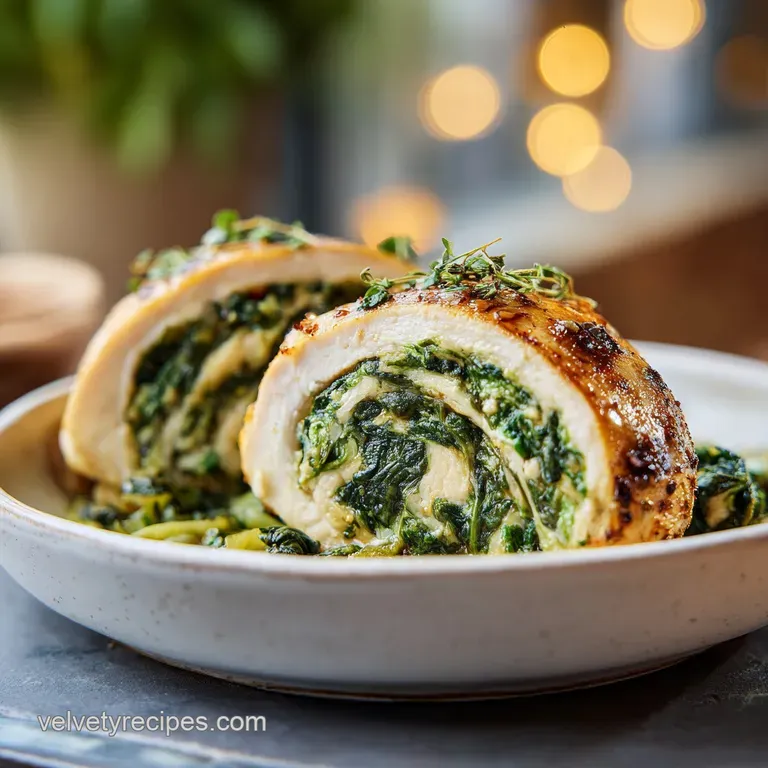
- Time: Active 20 minutes, Passive 25 minutes, Total 45 minutes
- Flavor/Texture Hook: Golden seared exterior with a velvety, molten cheese center
- Perfect for: A high protein weeknight dinner that feels like a million dollars
- Mastering the Juicy and Flavorful Spinach Stuffed Chicken
- Understanding the Physics of a Perfect Sear
- Selecting the Finest Components for Your Kitchen
- Gathering Your Essentials for Success
- Essential Tools for a Successful Kitchen Project
- The Step by Step Guide to Execution
- Resolving Issues with Leaks and Texture
- How to Adjust for Different Crowds
- Creative Twists to Change Your Dinner Routine
- Myths About Stuffed Poultry
- Preservation Secrets and Zero Waste
- The Best Side Dishes for a Complete Meal
- Recipe FAQs
- 📝 Recipe Card
Mastering the Juicy and Flavorful Spinach Stuffed Chicken
The first time I attempted this, it was a total disaster. I had cheese oozing out into the pan like a dairy filled crime scene, and the chicken ended up as dry as a desert because I overcooked it in fear of the filling being cold.
But then, I heard that distinctive sizzle when a cold piece of seasoned poultry hits a ripping hot cast iron skillet, and I knew I had to figure it out. There is something truly special about the aroma of smoked paprika and garlic hitting hot oil it fills the whole house and makes everyone gravitate toward the kitchen.
You want this recipe because it solves the "boring chicken" problem once and for all. We are taking a standard lean protein and turning it into a vessel for creamy, garlicky greens. The trick isn't just in the stuffing; it's in how we treat the spinach.
If you’ve ever had a soggy stuffed breast, it’s likely because the spinach released all its moisture inside the meat. We are going to fix that.
By the time you finish reading this, you'll know exactly how to create a "precision pocket" that holds every drop of that Neufchâtel goodness. We aren't just making dinner; we're mastering a technique that ensures your chicken is never "just okay" again.
We are going for a texture that is shatter crisp on the outside and incredibly tender on the inside. Let's get into why this method actually works.
Understanding the Physics of a Perfect Sear
The Steam Barrier: By wilting and squeezing the spinach before stuffing, we prevent internal "steaming" that would otherwise turn the chicken rubbery from the inside out.
The Thermal Buffer: The dense cheese filling acts as an insulator, slowing down the heat transfer to the center of the breast and allowing the exterior to brown without overcooking the meat.
Protein Denaturation: Searing the chicken at high heat for 3-5 minutes per side creates a structural crust that helps the breast hold its shape during the final oven roast.
Fat Emulsification: The Neufchâtel and parmesan melt into a stable emulsion rather than breaking into oil, provided we keep the internal temperature at the 165°F (74°C) sweet spot.
| Thickness of Breast | Internal Finish Temp | Rest Time | Visual Finished Cue |
|---|---|---|---|
| 1 inch thick | 165°F (74°C) | 5 minutes | Juices run clear when poked |
| 1.5 inches thick | 165°F (74°C) | 7 minutes | Firm to the touch, opaque meat |
| 2 inches thick | 165°F (74°C) | 8 minutes | Golden brown crust with no pink |
The resting time is probably the most ignored part of this whole process, but trust me on this it's what keeps the cheese from flowing out the second you slice into it. While the chicken rests, the muscle fibers relax and reabsorb those juices, and the cheese filling sets just enough to stay put.
Selecting the Finest Components for Your Kitchen
I have a real thing about ingredients. You can't just throw any old cheese in here and expect it to taste like a million dollars. We are using Neufchâtel for a reason. It has a slightly higher moisture content and lower fat than traditional cream cheese, which actually helps it stay creamy without getting too oily in the high heat of the oven.
| Ingredient | Role in Dish | Pro Secret |
|---|---|---|
| Neufchâtel Cheese | Provides a creamy, tangy base for the stuffing | Let it sit at room temp for 30 minutes for a lump free mix |
| Fresh Baby Spinach | Adds earthy notes and vital nutrients | Chop it after wilting to ensure the flavor is evenly distributed |
| Smoked Paprika | Creates the "sun kissed" color and deep flavor | Use high-quality Spanish pimentón for a genuine wood fired scent |
| Mozzarella Cheese | Adds that iconic "cheese pull" and mild saltiness | Shred it yourself from a block; pre shredded has cellulose that prevents melting |
For the seasoning, I always reach for sea salt rather than table salt. The larger grains provide a better "crunch" on the skin. And if you’re looking for a similar vibe but with different flavors, my Easy Baked Ricotta Chicken uses a similar cheese stuffing logic but with a completely different Mediterranean profile.
Gathering Your Essentials for Success
Here is what you need to pull from your pantry and fridge. Don't skip the red pepper flakes; they don't make it "hot," they just wake up the rest of the flavors.
- 4 large boneless skinless chicken breasts (approx. 8 oz each): Look for ones that are uniform in thickness so they cook at the same rate.
- 1 tbsp extra virgin olive oil: This is for the sear. Don't use butter here; it will burn before the chicken is done.
- 1 tsp smoked paprika: Essential for that deep, reddish golden crust.
- 1 tsp garlic powder: Provides a savory base that penetrates the meat better than fresh garlic in the rub.
- 0.5 tsp sea salt: To draw out the natural flavors of the poultry.
- 0.5 tsp cracked black pepper: Freshly cracked is non negotiable for that floral bite.
- 2 cups fresh baby spinach: It looks like a lot, but it will wilt down to almost nothing.
- 4 oz Neufchâtel or light cream cheese: Make sure it is softened.
- 0.25 cup freshly grated parmesan cheese: Use the real stuff, not the green shaker bottle. Why this? The saltiness of real parmesan balances the mild Neufchâtel perfectly.
- 0.25 cup part skim mozzarella cheese: For the gooey factor.
- 2 cloves garlic, minced: This goes inside the filling where it won't burn.
- 0.25 tsp red pepper flakes: Just a hint of warmth to cut through the richness.
| Original Ingredient | Substitute | Why It Works |
|---|---|---|
| Neufchâtel | Full fat Cream Cheese | Richer mouthfeel, though slightly higher in calories. |
| Baby Spinach | Lacinato Kale | Adds a more robust, bitter edge. Note: Requires longer wilting. |
| Smoked Paprika | Ancho Chili Powder | Provides a darker color and a raisiny, mild heat. |
Essential Tools for a Successful Kitchen Project
You don't need a professional kitchen, but there are a few things that make this Spinach Stuffed Chicken much easier to manage.
- A Sharp Chef's Knife: You need precision to cut that pocket without going all the way through. A dull knife will just tear the meat.
- Oven Safe Skillet: A cast iron skillet is the gold standard here. It holds heat like a beast, giving you that incredible sear, and it can go straight from the stove into the 375°F oven.
- Meat Thermometer: If you don't have one, get one. It’s the only way to be 100% sure your chicken is safe but still juicy.
- Toothpicks: These are the unsung heroes. They act as the "zipper" for our chicken pockets.
- Small Mixing Bowls: One for the cheese filling and one for the spice rub.
Chef's Tip: If you don't have an oven safe skillet, you can sear the chicken in a regular pan and then transfer it to a preheated baking dish. Just make sure the dish is already hot so the cooking process doesn't stall!
The step-by-step Guide to Execution
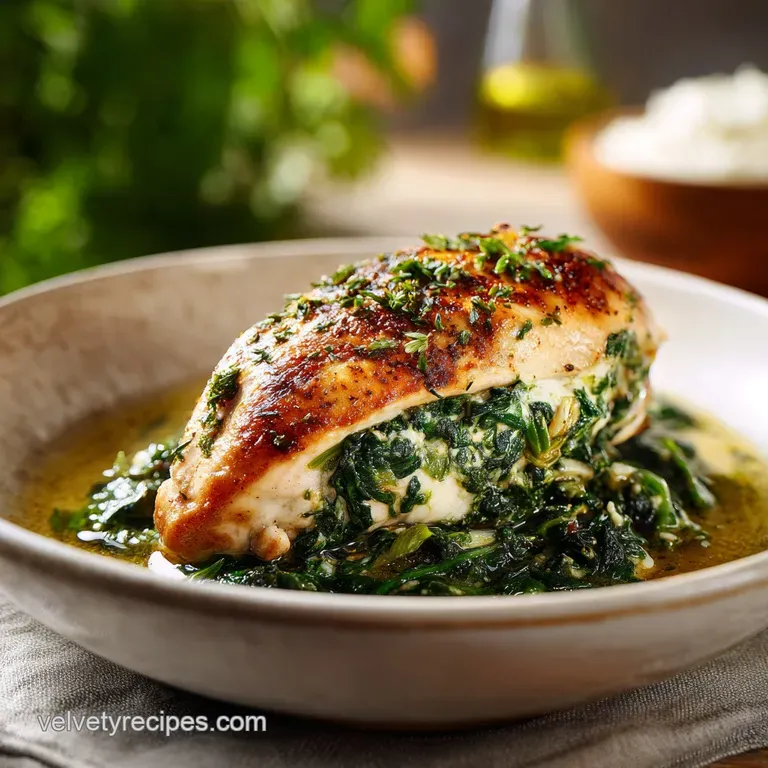
This is where the magic happens. Follow these steps closely, especially the part about the spinach.
- Prep the chicken. Lay each breast flat on a cutting board. Place your hand firmly on top. Using a sharp knife, slice a horizontal slit into the thickest part. It should be about 3 inches long and 2 inches deep. Stop before you hit the other side! Note: This creates a "pita pocket" for the cheese.
- Wilt the greens. Place your 2 cups of baby spinach in a pan with a splash of water over medium heat. Once wilted, let it cool, then squeeze it between paper towels until it's bone dry.
- Create the emulsion. In a small bowl, mix the dry spinach, 4 oz softened Neufchâtel, 0.25 cup parmesan, 0.25 cup mozzarella, minced garlic, and red pepper flakes. Stir until it's one cohesive, creamy mass.
- Stuff the pockets. Divide the mixture into four parts. Stuff each portion deep into the chicken pockets.
- Seal the deal. Use 2-3 toothpicks per breast to "stitch" the opening closed. This is vital to keep the cheese inside.
- Apply the rub. Mix the paprika, garlic powder, salt, and pepper. Rub the olive oil over the chicken, then coat generously with the spices.
- The initial sear. Heat your cast iron skillet over medium high heat. Once it's shimmering, add the chicken. Sear for 3-5 minutes until a dark golden crust forms. Flip carefully.
- The oven finish. Move the skillet into the oven at 375°F (190°C).
- Monitor doneness. Bake for 10-15 minutes. Check with a thermometer; you are looking for 165°F (74°C) in the thickest part of the meat (not the filling).
- Rest the meat. Remove from the oven and let the chicken sit for 5 minutes before pulling the toothpicks and serving.
Resolving Issues with Leaks and Texture
Even the best cooks run into trouble sometimes. The most common issue with this dish is "The Great Cheese Escape."
Why Your Cheese Leaked Everywhere
This usually happens because the pocket was cut too wide or the toothpicks weren't placed close enough together. If the opening is larger than an inch, you need at least three toothpicks crisscrossed to create a physical barrier.
Another culprit is overcooking; once the chicken passes 170°F, the meat fibers contract so tightly they literally squeeze the filling out like a tube of toothpaste.
Why the Filling is Watery
If you find a puddle of green liquid on your plate, the spinach wasn't dry enough. Fresh spinach is about 90% water. If you don't squeeze it until it feels like a dry ball of fiber, that water will release into the cheese as it heats up, breaking the emulsion and making a mess.
| Problem | Root Cause | Solution |
|---|---|---|
| Dry Chicken | Internal temp exceeded 170°F | Pull the chicken at 160°F; carryover cooking hits 165°F while resting. |
| Filling is Cold | Chicken seared too fast, center stayed chilled | Ensure Neufchâtel is room temperature before mixing. |
| Rub is Burning | Heat was too high or too much oil | Use a medium high flame and ensure the oil is shimmering, not smoking. |
Common Mistakes Checklist:
- ✓ Forgot to pat the chicken dry before adding oil and spices (prevents a good sear).
- ✓ Used frozen spinach without thawing and squeezing (adds too much moisture).
- ✓ Cut the pocket all the way through the back (filling will definitely leak).
- ✓ Skipped the 5 minute rest (juices will run out immediately).
- ✓ Crowded the pan with too many breasts at once (they will steam rather than sear).
How to Adjust for Different Crowds
If you're cooking for a big family gathering or just yourself, you'll need to tweak things slightly.
Scaling Down: If you only need two servings, don't just use half an egg (though there's no egg here, the logic applies!). Use the full 4 oz of Neufchâtel anyway it keeps better than a half used block, and you can use the leftover filling as a fantastic dip for crackers the next day.
Reduce the skillet size so the oil doesn't burn in the empty spaces.
Scaling Up: If you're making 8 servings, don't try to fit them all in one skillet. Work in two batches for the searing phase. For the spices, only increase the salt and pepper to 1.5x the original amount; spices can become overwhelming when doubled literally.
Use a large baking sheet for the oven phase to ensure air circulates around each breast.
Baking Adjustments: If you double the recipe and put two pans in the oven, rotate them halfway through the 10-15 minute bake time to ensure even browning.
Creative Twists to Change Your Dinner Routine
While the classic spinach and garlic is a winner, you can totally change the vibe of this dish with a few swaps.
The Mediterranean Twist
Swap the mozzarella for crumbled feta and add some chopped sun dried tomatoes to the filling. This gives a sharp, salty punch that pairs beautifully with the chicken. You might want to reduce the sea salt in the rub slightly, as feta is naturally very salty.
Air Fryer Spinach Stuffed Chicken Breast
If you don't want to turn on the oven, the air fryer is a champion for this. Skip the skillet sear. Place the stuffed, seasoned chicken in the air fryer basket at 375°F (190°C). Cook for about 18-22 minutes, flipping halfway through.
The circulating air creates a surprisingly "shatter crisp" skin without the need for much oil.
If you love the idea of creamy chicken but want something you can eat with a spoon, you have to try this Creamy Garlic Parmesan Chicken Soup. It uses a lot of the same flavor notes but in a comforting bowl format.
Myths About Stuffed Poultry
Searing "seals in" the juices: This is a classic kitchen myth. Searing actually creates flavor through a process of browning the sugars and proteins. The "juiciness" is actually controlled by the internal temperature and the resting period, not the crust.
You must wash the chicken first: Please don't. Washing chicken actually spreads bacteria around your sink and counters. The heat of the 375°F oven is what makes the food safe to eat.
Cheese must be high fat to melt: Not true! Neufchâtel and part skim mozzarella melt beautifully. The key is the moisture content and how you incorporate the ingredients, not just the fat grams.
Preservation Secrets and Zero Waste
Storage: Keep any leftover Spinach Stuffed Chicken in an airtight container in the fridge for up to 3 days. When reheating, do it gently in the oven at 325°F or in a covered skillet with a teaspoon of water to keep it from drying out.
Freezing: You can actually freeze these before cooking! Stuff them, wrap them tightly in plastic wrap, and then foil. They will stay good for 2 months. Thaw completely in the fridge before searing and baking.
Zero Waste: If you have extra spinach that didn't fit in the pockets, don't toss it. Sauté it with a little lemon and butter for a quick side. If you have leftover filling, it makes a killer spread for a turkey sandwich the next day.
Even the chicken bones (if you bought bone in and deboned them yourself) should be saved in a freezer bag for making stock later.
The Best Side Dishes for a Complete Meal
Because this chicken is quite rich and savory, you want sides that offer a bit of contrast either through acidity or a different texture.
Zucchini Noodles with Lemon
Since the chicken has 58.5g of protein and a good amount of fat, a light "zoodle" dish is perfect. Toss the zucchini noodles with a squeeze of fresh lemon, a drizzle of olive oil, and some extra red pepper flakes. The acidity of the lemon cuts right through the creaminess of the Neufchâtel.
Garlic Roasted Smashed Potatoes
If you want something heartier, go for small Yukon Gold potatoes. Boil them until tender, smash them flat, and roast them in the same oven as the chicken. They’ll get crispy edges that match the sear on the meat. If you're looking for more inspiration for easy meals, check out this Easy Slow Cooker Chicken Stew for those days when you don't want to stand over a skillet.
This Spinach Stuffed Chicken is truly a staple in my house because it looks impressive but uses simple techniques. Just remember: dry the spinach, use the toothpicks, and don't skip the rest. You've got this!

Recipe FAQs
How do you make stuffed spinach chicken breast?
Slice a 3 inch pocket into the thickest part of each breast, then stuff with a mixture of wilted spinach, Neufchâtel, parmesan, mozzarella, garlic, and red pepper flakes. Secure the openings with toothpicks to keep the filling inside before seasoning and searing.
How long does a stuffed chicken breast take to cook in the oven?
Bake for 10-15 minutes in an oven preheated to 375°F. Always use a meat thermometer to ensure the internal temperature reaches 165°F for food safety.
Is chicken breast good for diabetics?
Yes, it is an excellent choice. Chicken breast is a lean, high protein source that fits well into diabetic friendly diets, especially when paired with fiber rich ingredients like spinach.
What's the best thing to stuff chicken breasts with?
A blend of softened Neufchâtel, spinach, and grated cheeses provides the best results because it creates a molten, creamy center that balances the lean meat. If you enjoyed mastering the cheese filling technique here, you can apply that same creamy balance to other stuffed vegetable dishes.
Is it true I need to bake the chicken for a full hour to ensure the center is hot?
No, this is a common misconception. Baking for an hour will result in dry, overcooked poultry; searing the chicken for 3-5 minutes per side first ensures the exterior develops a crust while the interior finishes perfectly in just 10-15 minutes of oven time.
How can I prevent the cheese from leaking out during cooking?
Secure the opening firmly with toothpicks after stuffing and ensure your pocket isn't sliced too large. Keeping the filling mixture compact and well emulsified also helps it stay inside the pocket as the cheese melts.
Why is it necessary to squeeze the spinach dry before mixing?
Excess water causes a soggy texture and dilutes the flavor of the cheese filling. Removing all moisture from the wilted spinach ensures the filling stays rich and velvety rather than watery.
Spinach Stuffed Chicken Breast
Ingredients:
Instructions:
Nutrition Facts:
| Calories | 421 kcal |
|---|---|
| Protein | 58.5 g |
| Fat | 18.6 g |
| Carbs | 3.1 g |
| Fiber | 0.6 g |
| Sugar | 1.2 g |
| Sodium | 612 mg |
