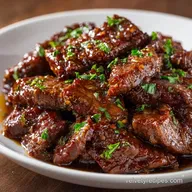
Velvet Beef Stir Fry: Tender and Glossy
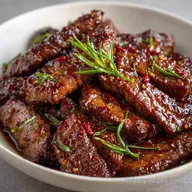
This approach relies on a cornstarch-based wash to seal in juices, producing a glossy finish that helps the stir-fry sauce cling to every piece of beef.
cornstarch-based wash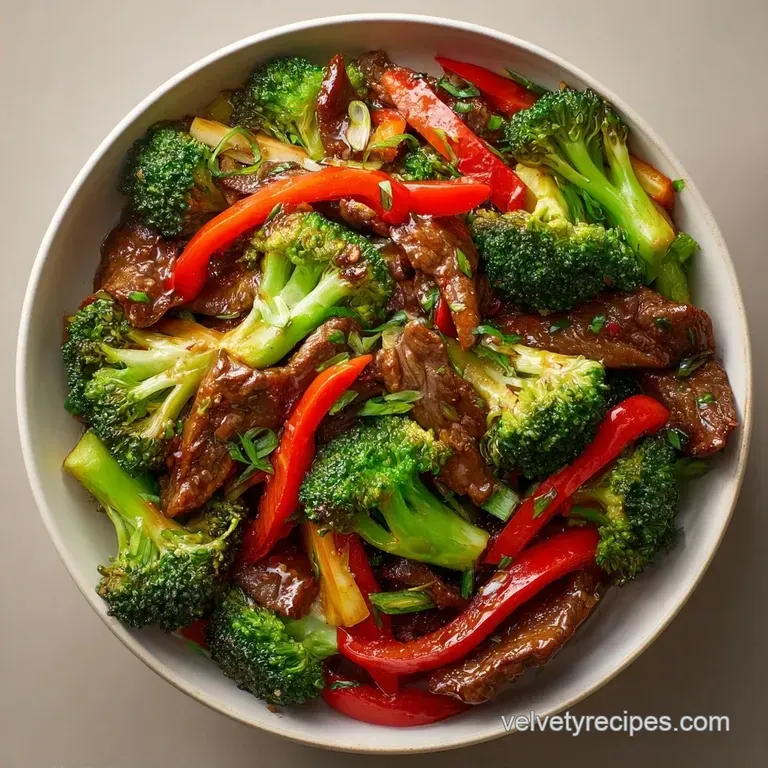
Home cooks looking to replicate restaurant-quality texture in their own kitchens will find these techniques essential for weeknight meals. The process, known as velveting, uses a brief marinade to shield meat fibers from the intense heat of a stir fry pan.
Most recipes rely on either cornstarch or baking soda to achieve this result. By following these methods, you can turn affordable cuts of beef and lean chicken breast into tender, glossy bites that hold onto sauces without drying out.
Focusing on beef requires specific timing to ensure the alkaline tenderizer does not over-soften the grain. These methods highlight the best practices for preparing affordable cuts using common pantry staples like cornstarch and baking soda.
This approach relies on a cornstarch-based wash to seal in juices, producing a glossy finish that helps the stir-fry sauce cling to every piece of beef.
cornstarch-based washSpecifically tailored for affordable cuts, this method provides a precise timeline for tenderizing beef to prevent the texture from becoming too mushy before cooking.
precise tenderizing timelineChicken breast often becomes stringy when cooked quickly, but a short velveting step keeps the meat moist throughout. These recipes provide a roadmap for achieving a smooth consistency that pairs well with any vegetable medley.
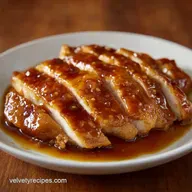
Utilizing a baking soda rub, this recipe focuses on breaking down tough fibers in poultry to ensure the meat remains moist during the searing process.
baking soda rubA faster alternative for home cooks, this method uses a simplified marinade to achieve a high-quality texture in under half an hour for busy nights.
25-minute stir fry| # | Recipes | Best For | Time | Difficulty | Texture | Tenderizing Agent |
|---|---|---|---|---|---|---|
| 1 | Velvet Beef Stir Fry for 4 Servings | high-heat wok cooking | Time varies | Intermediate | Glossy | Cornstarch |
| 2 | Beef Tenderizing with Baking Soda | tougher beef cuts | 35 min | Easy | Soft | Baking Soda |
| 3 | Tender Velvet Chicken Recipe: Silky | restaurant-style texture | 15 min active / 1 hr total | Intermediate | Tender | Baking Soda |
| 4 | Quick Velvet Chicken Stir Fry in 25 Min | weeknight dinner | 25 min | Easy | Smooth | Cornstarch |
Discover more curated recipe collections
Explore more recipe collections →