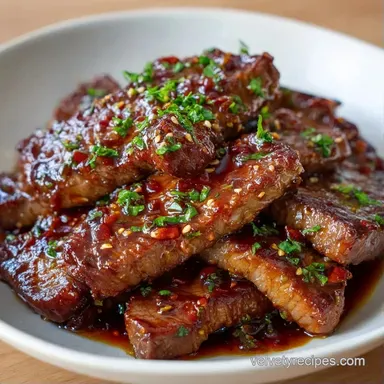
Baking Soda Tenderized Beef: Silky and Juicy
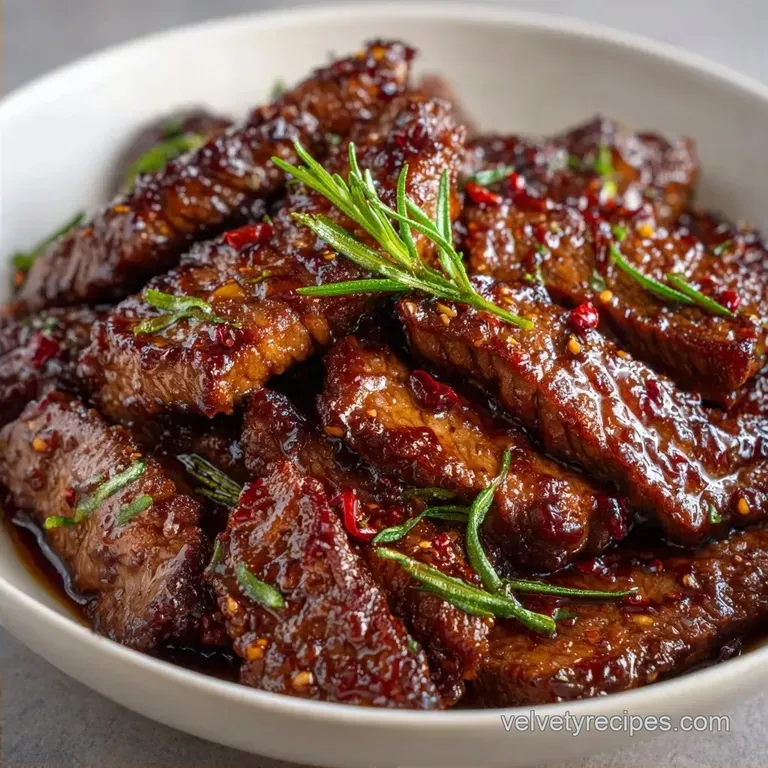
- Time: 5 min active + 20 min resting
- Flavor/Texture Hook: Velvety, silky mouthfeel with a mahogany crust
- Perfect for: budget-friendly weeknight stir fries and fast dinners
- Simple Secrets for Beef Tenderizing
- How the Meat Softens
- Component Analysis
- The Full Ingredient List
- The Essential Gear
- Steps for a Perfect Sear
- Fixing Common Meat Issues
- Troubleshooting Common Issues
- Adjusting the Portion Size
- Debunking Kitchen Myths
- Saving Your Leftovers
- Best Sides for Beef
- Recipe FAQs
- 📝 Recipe Card
That loud, aggressive sizzle when a piece of beef hits a ripping hot pan is easily one of the best sounds in the kitchen. But we've all been there: you buy a lean cut of sirloin or flank, follow the recipe, and it still comes out feeling like you're chewing on a rubber band.
It's frustrating, especially when you've spent time prepping everything else.
I remember one specific Tuesday where I tried to make a fancy stir fry for my family using some budget flank steak. I sliced it thin, seared it fast, and it was still tough. Honestly, I almost gave up on that cut entirely. Then I tried a technique I'd seen in a few old school cookbooks, and it changed everything.
The secret is a process called velveting. By using a tiny bit of baking soda, you can achieve professional level Beef Tenderizing right in your own home. It doesn't require fancy equipment, just a bit of patience and a quick rinse.
Here is how to make the cheapest steak in the store taste like it came from a high end bistro.
Simple Secrets for Beef Tenderizing
When you're working with leaner cuts, the protein fibers are like tight springs. When they hit the heat, they contract and squeeze out all the moisture, which is why your meat ends up tough. Beef Tenderizing is all about stopping that contraction before it happens.
The goal isn't just to "soften" the meat, but to change how the proteins interact. If you've ever wondered why restaurant stir fry is so silky, this is exactly what they're doing. It's a budget smart way to use sirloin or flank without spending a fortune on tenderloin.
Most home cooks think they need an expensive meat mallet or a 24 hour marinade, but Baking Soda Beef Tenderizing works in a fraction of the time. It's a reliable trick that makes dinner feel special without the stress of a long prep window.
How the Meat Softens
Instead of using acid like vinegar or lemon juice, which can actually make meat "mushy" if left too long, we use an alkaline agent. According to the experts at Serious Eats, raising the pH level of the meat prevents the proteins from bonding too tightly during cooking.
- pH Shift
- Baking soda increases the pH on the surface of the beef, making it harder for proteins to link together.
- Moisture Retention
- The shifted pH allows the meat to hold onto more water, which keeps it velvety.
- Fiber Relaxation
- The alkalinity essentially relaxes the muscle fibers, which is the core of successful Beef Tenderizing.
- Surface Texture
- This process creates a surface that browns beautifully while the inside stays tender.
| Method | Time Required | Final Texture | Best For |
|---|---|---|---|
| Soda Method | 20 minutes | Velvety/Silky | Stir fry/Slices |
| Acid Marinade | 12-24 hours | Tangy/Firm | Grilled Steaks |
| Mechanical | 5 minutes | Bruised/Flat | Schnitzels/Cutlets |
Right then, let's look at what the baking soda is actually doing compared to other ingredients. While the soda does the heavy lifting for Beef Tenderizing, the other components in the marinade handle the flavor and the final crust.
Component Analysis
| Ingredient | Science Role | Pro Secret |
|---|---|---|
| Baking Soda | pH Modifier | Use a strict ratio to avoid a soapy taste |
| Cornstarch | Moisture Barrier | Locks in juices and helps the sauce stick |
| Soy Sauce | Salt/Umami | Penetrates the meat for deep seasoning |
| Vegetable Oil | Heat Conductor | Prevents sticking and aids the mahogany crust |
Now, let's get into the gear and the goods. Since we're going for a budget friendly approach, you probably already have most of this in your cupboards. Trust me on this: don't skip the rinsing step, or you'll notice a weird metallic taste.
The Full Ingredient List
- 1 lb beef sirloin or flank steak, thinly sliced against the grain Why this? Lean, budget friendly cuts that respond best to this method
- 1 tsp baking soda Why this? The essential agent for Soda Beef Tenderizing
- 1 tbsp water Why this? Turns the soda into a usable slurry
- 2 tbsp soy sauce Why this? Provides salt and the classic brown color
- 1 tbsp vegetable oil Why this? High smoke point for a proper sear
- 1 tbsp cornstarch Why this? Creates a velvety coating
- 2 cloves garlic, minced Why this? Adds aromatic depth
- ½ tsp black pepper Why this? Basic heat and flavor balance
Ingredient Swaps
| Original Ingredient | Substitute | Why It Works |
|---|---|---|
| Soy Sauce (2 tbsp) | Tamari (2 tbsp) | Similar salt and color. Note: gluten-free alternative |
| Vegetable Oil (1 tbsp) | Grapeseed Oil (1 tbsp) | Similar high smoke point. Note: Neutral flavor |
| Garlic (2 cloves) | Garlic Powder (½ tsp) | Similar flavor. Note: Less punch than fresh |
You don't need a professional kitchen to get this right. A simple cast iron skillet is the gold standard here because it holds heat so well, but a stainless steel pan or a wok will work just as well.
The Essential Gear
- Non reactive bowl: Use glass or stainless steel. Avoid aluminum, as it can react with the baking soda.
- Fine mesh strainer: This is crucial for rinsing the beef thoroughly.
- Paper towels: The meat must be bone dry before the second marinade to get a good sear.
- Cast iron skillet: Essential for that deep mahogany crust.
Steps for a Perfect Sear
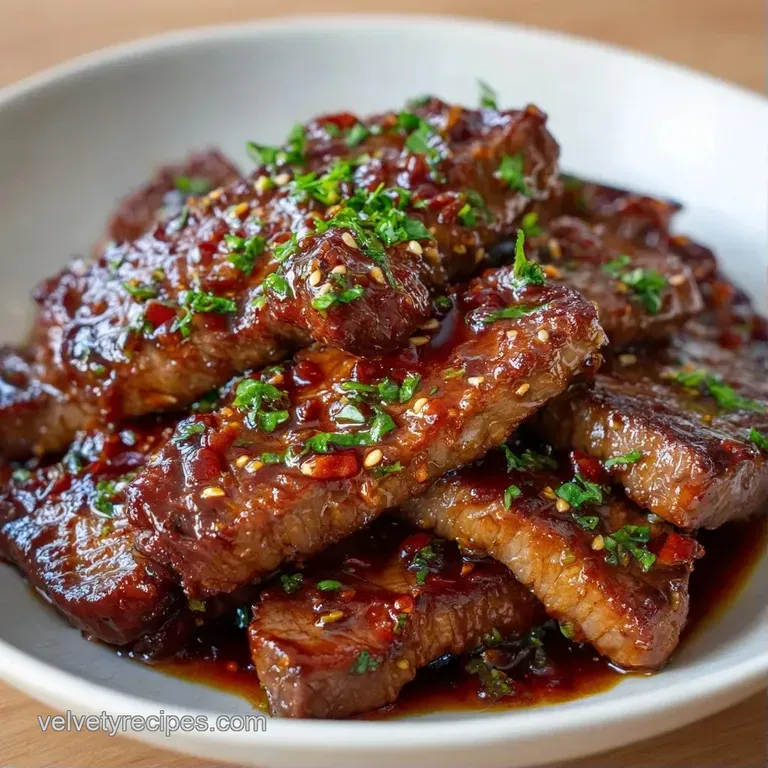
Let's crack on with the cooking. The most important part of Beef Tenderizing isn't actually the soda, it's how you cut the meat. Always look for the lines (the grain) and cut across them.
Slicing for Maximum Tenderness
Slice the beef into thin strips perpendicular to the muscle fibers. If you cut with the grain, the meat will be chewy no matter how much soda you use.
Applying the Baking Soda Ratio
In your bowl, combine the baking soda and water to make a slurry. Toss the sliced beef in this mixture until every piece is coated. Let it sit for 15 to 20 minutes.
Rinsing and Drying the Beef
Place the beef in a fine mesh strainer. Rinse it under cold running water for at least 30 seconds. This removes the excess soda. Now, pat the meat completely dry with paper towels. If it's wet, it will steam instead of searing.
Creating the Searing Marinade
Mix the soy sauce, vegetable oil, cornstarch, minced garlic, and black pepper. Toss this with your dried beef until coated.
Searing for a Mahogany Crust
Heat your skillet over high heat until the oil is shimmering. Add the beef in a single layer. Sear for 2-3 minutes until you see a deep mahogany crust develop. Don't overcrowd the pan, or you'll lose the sizzle.
If you're looking for a way to turn this into a full meal, this technique is the foundation for a Velvet Beef Stir Fry, which is a family favorite in my house.
Fixing Common Meat Issues
Even with a good plan, things can go sideways. Usually, it comes down to the ratio of soda or the heat of the pan. If you've used too much soda, the meat can get a bit too soft, almost like it's losing its structure.
Troubleshooting Common Issues
| Issue | Solution |
|---|---|
| Why Your Beef Tastes Soapy | This happens when the baking soda isn't rinsed off properly or if you used too much. The alkaline taste is very distinct and can ruin a dish. Always stick to the 1 tsp per pound ratio. |
| Why Your Beef is Mushy | Over tenderizing is a real thing. If you leave the beef in the soda slurry for an hour instead of 20 minutes, the fibers break down too much. It loses that "steak" feel and becomes a bit too soft. |
| Why Your Beef is Steaming | If the pan isn't hot enough or if you put too much meat in at once, the temperature drops. Instead of searing, the meat releases juice and boils in its own liquid. |
Common Mistakes Checklist
- ✓ Did I slice against the grain?
- ✓ Did I use a non reactive bowl?
- ✓ Was the meat patted completely dry before the final marinade?
- ✓ Did I avoid overcrowding the pan?
- ✓ Did I rinse the soda slurry off thoroughly?
Adjusting the Portion Size
Scaling Beef Tenderizing is pretty straightforward, but you have to be careful with the baking soda. You don't always want to double the chemicals just because you doubled the meat.
Scaling Down (½ lb): Use ½ tsp baking soda and a splash of water. Use a smaller pan so the meat doesn't spread too thin and dry out. Reduce the searing time by about 20%.
Scaling Up (2-4 lbs): For 2 lbs of meat, I only use 1.5 tsp of baking soda rather than 2 full teaspoons. Too much soda in a large batch can make the flavor harder to rinse away. Most importantly, work in batches.
If you dump 4 lbs of beef into one pan, you'll end up with a grey, boiled mess instead of a sear.
Baking Adjustments: If you're using this method for something you'll eventually bake (like a casserole), lower your oven temp by 25°F and extend the time. This prevents the tenderized meat from drying out under prolonged heat.
Debunking Kitchen Myths
There are a lot of old wives' tales about Beef Tenderizing that just aren't true. Let's clear a few of them up so you don't waste your time.
One big one is that searing "seals in the juices." It doesn't. Moisture loss happens regardless of how you sear the meat. The crust is actually about flavor and texture, not about creating a waterproof seal.
Another myth is that expensive cuts are always more tender. While tenderloin is naturally softer, a budget cut of flank steak treated with Soda Beef Tenderizing can actually be more satisfying in a stir fry because it holds onto the sauce better.
Saving Your Leftovers
Once you've mastered Beef Tenderizing, you might find yourself making extra. This meat keeps surprisingly well because the cornstarch coating protects it from drying out in the fridge.
Storage Guidelines: Store your cooked beef in an airtight container in the fridge for up to 3 days. For the freezer, it stays good for about 3 months. I recommend freezing it in portions so you only thaw what you need.
Zero Waste Tips: Don't toss the beef trimmings! Collect the small scraps and ends in a freezer bag. Once you have a handful, simmer them with some onion and carrot to make a rich, homemade beef stock.
Also, the leftover marinade in the bowl can be simmered down in a pan for a few minutes to create a concentrated glaze for vegetables.
Best Sides for Beef
Since this meat has a bold, savory profile, you want sides that either cut through the richness or complement the umami. I love serving this with a simple steamed broccoli or a crisp cucumber salad.
If you want something heartier, a side of fluffy rice or even some toasted Recipe in 45 Min can act as a great base to soak up the pan juices. The contrast between the velvety beef and a crusty bread is a million dollars.
Another great option is a quick slaw with lime and cilantro. The acidity of the lime balances the richness of the soy garlic marinade perfectly. Just keep the sides simple so the star of the show, your perfectly tenderized beef, can really shine.
Recipe FAQs
How long does it take baking soda to tenderize beef?
Let it sit for 15 to 20 minutes. Exceeding this timeframe can result in a mushy texture as the fibers break down too much.
How do Chinese get their beef so tender?
They use a technique called velveting. This involves coating the meat in a baking soda slurry before searing. It pairs perfectly with a crisp cucumber salad for a balanced meal.
Do you rinse meat after soaking in baking soda?
Yes, rinse thoroughly. Place the beef in a fine mesh strainer and run cold water over it for at least 30 seconds to remove any alkaline residue.
Why does my beef taste soapy?
This happens when the baking soda isn't rinsed off properly. Always stick to the ratio of 1 tsp of baking soda per pound of meat to avoid this distinct taste.
Why is my beef mushy?
You likely over tenderized the meat. If you leave the beef in the slurry for an hour instead of 20 minutes, it loses its steak like feel.
How do I prevent the beef from steaming in the pan?
Heat your skillet or wok over high heat until shimmering. Adding meat to a pan that isn't hot enough prevents a sear and causes the beef to steam in its own juices.
How should I slice the beef to ensure tenderness?
Slice the beef into thin strips perpendicular to the muscle fibers. Cutting against the grain is the most essential step for achieving a tender bite.
Beef Tenderizing With Baking Soda