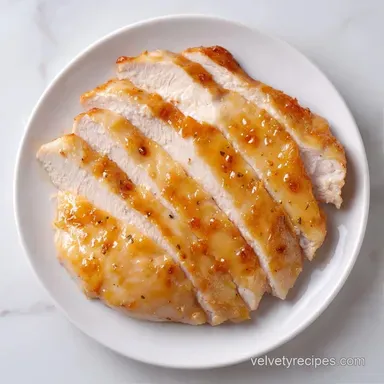
Tender Velvet Chicken Recipe: Silky and Tender
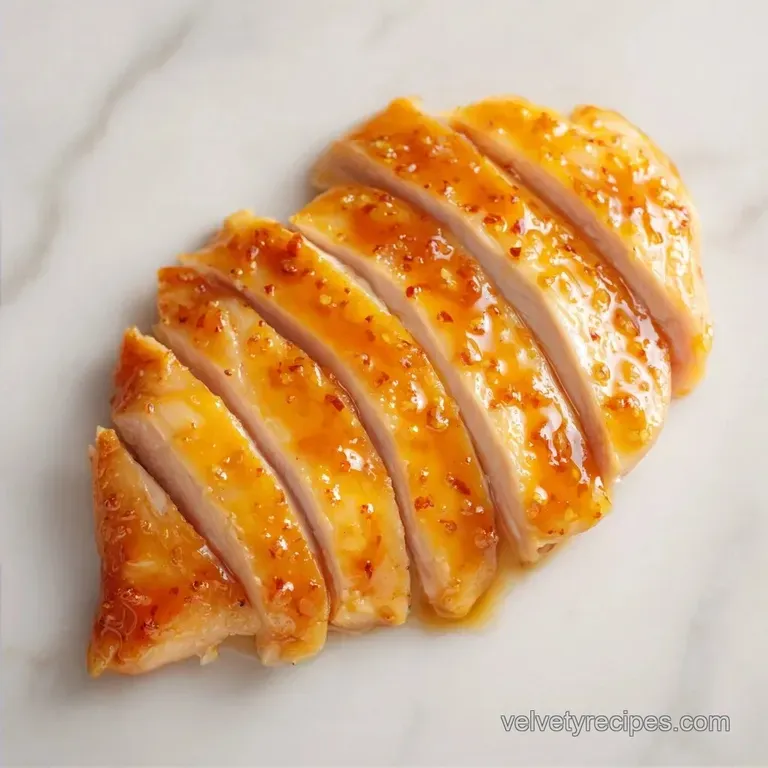
- Time:15 minutes active + 30 minutes chilling
- Flavor/Texture Hook: Silky, glistening, and velvety
- Perfect for: Quick weeknight stir frys or meal prep
- Tender Velvet Chicken Recipe
- The Secret to Silky Meat
- The Component Breakdown
- Ingredients and Swaps
- Kitchen Gear You'll Need
- The Cooking Process
- Fixing Common Cooking Problems
- Troubleshooting Common Issues
- Ways to Customize
- Scaling Your Batch
- Common Kitchen Myths
- Storage and Waste Tips
- Best Sides to Pair
- Recipe FAQs
- 📝 Recipe Card
That loud, aggressive sizzle when the meat hits a screaming hot wok is the sound of success. I remember the first time I tried to recreate my favorite takeout chicken at home, and it was a total disaster.
I just tossed the breast meat in a pan, and within minutes, it had shrunk into these tough, rubbery little pebbles that tasted like cardboard. I was convinced I just didn't have the "right" pan, but the truth was I was missing a technique.
Right then, I stumbled upon the concept of velveting. It sounds like something you'd do to a fancy dress, not a piece of poultry, but it's basically a magic trick for your proteins. Once I stopped treating chicken like a steak and started treating it like a sponge for the marinade, everything changed. Now, this Tender Velvet Chicken Recipe is my go to for every single stir fry because it makes the meat feel like a million dollars without needing a professional kitchen.
You can expect meat that stays juicy even under intense heat. We're talking about a texture that's almost slippery, which allows the sauces to cling to the meat rather than just sliding off. It's an easy shift in your process that removes the fear of overcooking the chicken, meaning you get a hearty meal every time.
Tender Velvet Chicken Recipe
The magic here isn't in the ingredients, but in how they interact with the meat fibers. Most of us have struggled with chicken breast because it's so lean, and lean meat tightens up the second it hits the heat. By using a combination of a pH shifter and a moisture barrier, we stop that tightening from happening.
The Secret to Silky Meat
Instead of a complex lab report, here is why this actually works in your kitchen:
- pH Shift: The baking soda slightly raises the pH on the surface of the meat, which prevents the proteins from bonding too tightly when they cook.
- Moisture Shield: Cornstarch creates a thin, gelatinous layer that traps the juices inside the meat, acting like a raincoat.
- Protein Binding: Egg whites wrap around the chicken, adding a layer of "silk" that keeps the pieces from sticking together.
- Fat Lubrication: Adding oil directly to the marinade ensures the meat doesn't clump and helps it sear quickly.
| Fresh Method | Shortcut Method | Texture Impact | Time Difference |
|---|---|---|---|
| Full Velveting | Just Soy Sauce | Rubbery/Tough | Save 30 mins |
| Cornstarch + Soda | Cornstarch Only | Less Tender | No change |
| 30 Min Rest | No Rest | Uneven Coating | Save 30 mins |
The Component Breakdown
Every part of this marinade has a specific job. If you skip one, you'll still have chicken, but you won't have that specific "velvet" feel.
| Ingredient | Science Role | Pro Secret |
|---|---|---|
| Baking Soda | Fiber Relaxant | Don't overdo it or it tastes soapy |
| Cornstarch | Juice Barrier | Use a cornstarch slurry for extra gloss |
| Egg White | Texture Binder | Beat it until frothy for better coverage |
| Soy Sauce | Flavor Base | Adds salt that helps break down protein |
Ingredients and Swaps
I've found that keeping the ingredients simple is the way to go. Don't bother with low-fat alternatives here, as the fat is what carries the flavor and protects the meat.
- 1 lb chicken breast, sliced thin against the grain Why this? Leanest cut, best for showing off the velvet texture
- 1 tbsp cornstarch Why this? Creates the necessary moisture barrier
- 1 large egg white, beaten until frothy Why this? Provides the silky, smooth exterior
- ½ tsp baking soda Why this? Prevents protein fibers from tightening
- 1 tbsp neutral oil Why this? Prevents sticking during the marinade phase
- 1 tsp soy sauce Why this? Provides basic seasoning and color
- 2 tbsp high smoke point oil Why this? Essential for over high heat searing without smoking
Substitution Options
| Original Ingredient | Substitute | Why It Works |
|---|---|---|
| Chicken Breast | Chicken Thighs | More fat, naturally juicier. Note: Harder to "velvet" but still works |
| Cornstarch | Potato Starch | Very similar properties. Note: Can result in an even crispier edge |
| Egg White | Aquafaba (1.5 tbsp) | Similar protein structure. Note: Great for vegan/egg free versions |
| Soy Sauce | Tamari | gluten-free alternative. Note: Slightly richer flavor profile |
Trust me on this: the quality of your oil matters. According to Serious Eats, using an oil with a high smoke point prevents the oil from breaking down and tasting bitter when you're searing at high temperatures.
Kitchen Gear You'll Need
You don't need a professional setup, but a few tools make this way easier. A large mixing bowl is essential so you can massage the meat without it flying everywhere. If you have a wok, use it, but a heavy bottomed stainless steel or cast iron skillet works just as well.
Avoid non stick pans if you want a really nice sear. I prefer using a heavy skillet that can hold heat, otherwise, the chicken will just steam in its own juices rather than searing.
The Cooking Process
Let's crack on with the actual cooking. The key here is speed and heat.
Phase 1: The Precision Prep
- Slice the chicken breast into thin, uniform strips. Make sure you cut perpendicular to the muscle fibers, or "against the grain." Note: This is the first step to tenderness.
Phase 2: The Velvet Marination
- In your mixing bowl, toss in the sliced chicken.
- Add the frothy egg white, cornstarch, baking soda, soy sauce, and neutral oil.
- Massage the marinade into the meat by hand. Use your fingers to ensure every single piece is coated in a creamy, opaque slurry.
- Cover the bowl and let the chicken rest in the refrigerator for 30 minutes. Note: This allows the baking soda to penetrate the fibers.
Phase 3: The Flash Sear
- Heat your wok or skillet over high heat. Wait until a drop of water evaporates instantly.
- Add the high smoke point oil and swirl it around the pan.
- Slide the chicken in a single layer. Sear for 2-3 minutes until the edges are golden and glistening. Do not move them immediately!
- Toss the chicken quickly for another 1-2 minutes until the meat is opaque.
- Remove from heat immediately.
Chef's Note: If you're doing a large batch, work in two turns. If you crowd the pan, the temperature drops and you'll get "boiled" chicken instead of seared chicken.
Fixing Common Cooking Problems
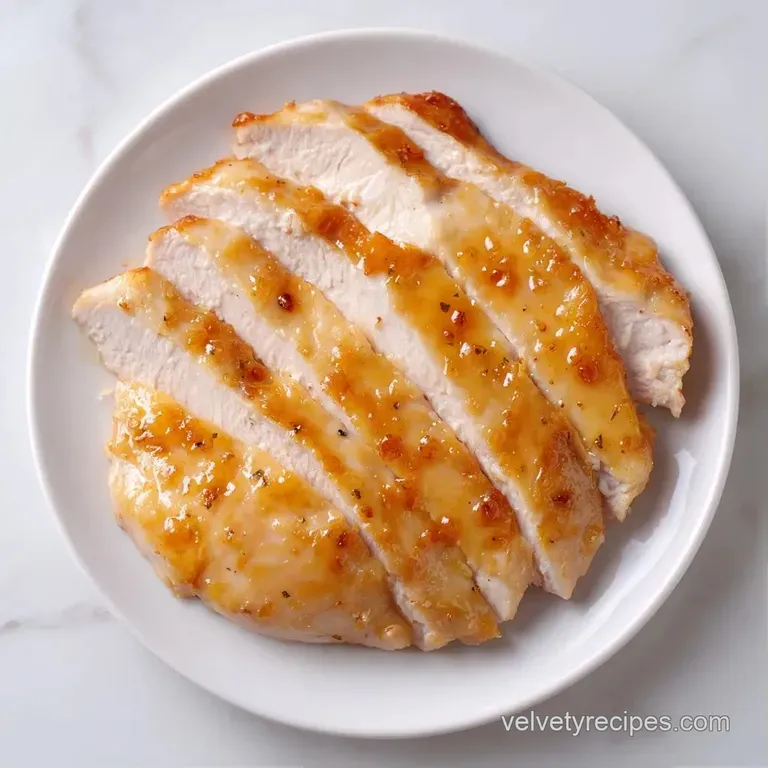
Even the best of us mess up a stir fry now and then. Usually, it comes down to temperature or ratios.
Troubleshooting Common Issues
| Issue | Solution |
|---|---|
| Why Your Meat Tastes Soapy | If the chicken has a strange, metallic, or soapy aftertaste, you've likely used too much baking soda. It's a powerful tool, but a little goes a long way. |
| Why the Coating Slides Off | This usually happens if the chicken was too wet when you started or if the pan wasn't hot enough. |
| Why the Chicken Is Sticking | If the meat clings to the pan, you probably didn't use enough high smoke point oil or you moved the meat too early. Let it sear for those first 2 minutes without touching it. |
Quick Quality Checklist
- ✓ Sliced against the grain
- ✓ Rested for at least 30 minutes
- ✓ Oil was shimmering before adding meat
- ✓ Cooked in a single layer
- ✓ Removed as soon as meat turned opaque
Ways to Customize
Once you've got this Tender Velvet Chicken Recipe down, you can use it as a base for almost anything. You can add a teaspoon of toasted sesame oil to the marinade for a nuttier aroma, or add a pinch of white pepper for that classic restaurant zing.
If you're in the mood for something different, my Chicken Piccata recipe is another great way to handle breast meat, though it uses a different acid based tenderizing method. Alternatively, if you want a heavier, comforting meal, check out the Alabama Chicken Linguine for a completely different vibe.
- If you want more flavor
- Add 1 tsp of grated ginger to the marinade.
- If you want it spicier
- Add a pinch of cayenne or Szechuan peppercorns.
- If you want it heartier
- Use chicken thighs instead of breasts.
Scaling Your Batch
When you're cooking for a crowd, don't just multiply everything blindly.
Scaling Down (Half Batch) Use a smaller skillet to keep the heat concentrated. I recommend beating one whole egg white and then using only half of it by weight or volume. Reduce your searing time by about 20% as the smaller mass heats up faster.
Scaling Up (Double or Triple) The most important rule: work in batches. If you put 3 lbs of chicken in one pan, you'll end up with a stew. I only increase the salt and soy sauce to about 1.5x the original amount, as the flavors concentrate more in larger batches.
Reduce the liquid (oil/soy) by about 10% to avoid a soggy pan.
Common Kitchen Myths
Myth: Searing "seals in" the juices. This is a classic misconception. Searing doesn't create a waterproof seal; it actually causes the meat to lose more moisture. However, we do it because the brown crust adds a massive amount of flavor that you just can't get from steaming.
Myth: You must use a wok for this to work. A wok is great for heat distribution, but any heavy pan that can handle high heat will do. The "velvet" comes from the marinade, not the shape of the pan.
Storage and Waste Tips
Store your cooked velvet chicken in an airtight container in the fridge for up to 3 days. Because of the cornstarch coating, it actually reheats better than plain chicken. To reheat, use a hot pan with a teaspoon of oil for 2 minutes to bring back that glistening exterior.
I don't recommend the microwave, as it can make the coating gummy.
For freezing, you can freeze the raw, marinated chicken for up to 2 months. Just freeze it in a vacuum seal bag. When you're ready, thaw it in the fridge overnight before searing.
To avoid waste, save your chicken trim and any leftover breast scraps. Toss them into a pot with some celery and carrots to make a quick stock. Even the leftover marinade (if not already touched by raw meat) can be simmered down with some cornstarch and water to create a simple glaze for vegetables.
Best Sides to Pair
Since this chicken is so silky and rich, you need something with a bit of crunch or acidity to balance it out. I love serving this with a side of steamed bok choy or a sharp, vinegary cucumber salad.
If you're looking for a carb, a bowl of fluffy jasmine rice is the gold standard. But if you want something more substantial, this goes great with sautéed snap peas or charred broccoli. The goal is to have something that "snaps" in your mouth to contrast with the velvety texture of the meat.
Recipe FAQs
What's the secret to tender velvet chicken?
Using a combination of baking soda and cornstarch. This process breaks down muscle fibers and creates a protective barrier that locks in moisture. If you enjoyed mastering texture control here, see how the same principle works in our mashed cauliflower.
Is it better to velvet chicken with cornstarch or baking soda?
Use both for the best result. Baking soda tenderizes the proteins while cornstarch creates the signature smooth, glistening coating.
What are common mistakes making velvet chicken?
Moving the meat too early and using too much baking soda. Let the chicken sear for at least 2 minutes undisturbed to prevent sticking and keep the baking soda amount precise to avoid a soapy taste.
What is the best liquid for velveting chicken?
A mix of beaten egg white and soy sauce. The egg white provides the structure for the slurry, and the soy sauce adds essential savory flavor.
Why does my velvet chicken taste soapy?
You likely used too much baking soda. This ingredient is powerful, and exceeding the recommended amount creates a metallic or soapy aftertaste.
How to store and reheat velvet chicken?
Store in an airtight container in the fridge for 3 days. Reheat in a hot pan with a teaspoon of oil for 2 minutes to restore the exterior; avoid the microwave to prevent a gummy texture.
Why is my chicken sticking to the pan?
The pan wasn't hot enough or you didn't use enough high smoke point oil. Ensure a drop of water evaporates instantly before adding oil and leave the meat alone for the first 2 minutes of searing.
Tender Velvet Chicken