The Coziest Side Dish You Will: Roasted Garlic Mash
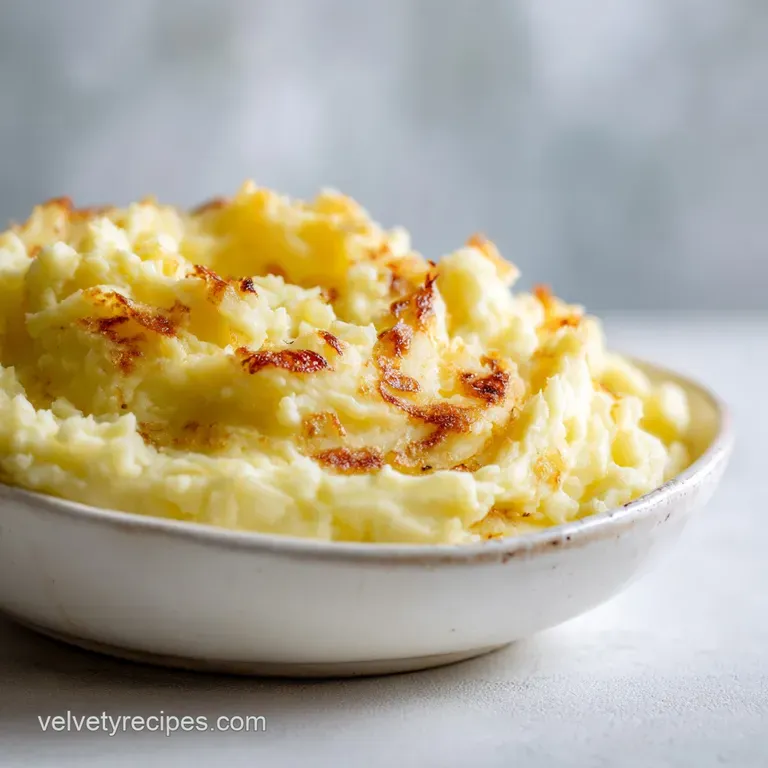
- Time: Active 15 minutes, Passive 55 minutes, Total 1 hour 10 mins
- Flavor/Texture Hook: Silky, nutty, and buttery
- Perfect for: Sunday roasts, holiday dinners, or a Tuesday pick me-up
- The Coziest Side Dish You Will Love
- Science Behind the Velvet Texture
- Components of a Hearty Mash
- The Essential Ingredient Inventory
- Simple Tools for Smooth Results
- Steps for Roasted Garlic Bliss
- Fixing Common Potato Problems
- Flavorful Swaps and Substitutions
- Scaling for Large or Small Crowds
- Potato Myths Debunked
- Storage and Reheating Strategies
- Main Courses for Garlic Mash
- Recipe FAQs
- 📝 Recipe Card
The Coziest Side Dish You Will Love
Picture this. You walk into the kitchen and the air is thick with the scent of caramelizing garlic - that specific, buttery aroma that tells your brain it's time to relax. I used to think great mashed potatoes were just about how much butter you could cram in there, but I was so wrong.
It’s actually about the garlic and how you treat the starch. This recipe shows you how to make the coziest side dish you will want to make with roasted garlic mashed potatoes every single time someone asks you "what should we have with dinner?"
Honestly, the first time I made these, I didn't even tell my family I used Greek yogurt instead of heavy cream. They were too busy face planting into the bowl to notice. The roasted garlic turns into this spreadable gold that melts right into the Yukon Golds, giving you a depth of flavor that a raw clove could never dream of.
It’s hearty, it makes you feel like a million dollars, and it’s become my absolute go to for making a simple meal feel like a feast.
We've all had those "gluey" potatoes that feel more like wallpaper paste than food, right? I've made that mistake more times than I’d like to admit. But after years of tinkering with temperatures and types of fat, I’ve finally landed on the reliable steps that work every single time.
We're going to use minimal tools - no fancy ricers needed if you don't have one - and focus on the small tricks that preserve the quality of the potato. Trust me on this, once you go roasted, you never go back.
Science Behind the Velvet Texture
Starch Retrogradation Control: By starting potatoes in cold water, we ensure they cook evenly from edge to center, preventing the outside from overcooking and releasing excess starch.
Maillard Reaction Sweetness: Roasting garlic at 400°F (200°C) breaks down pungent sulfur compounds into vanillin and sugars, creating a nutty, spreadable paste.
Proteolytic Emulsification: The acidity in Greek yogurt helps stabilize the potato starches while providing a creamy mouthfeel without the heavy fat of traditional cream.
| Method | Time | Texture | Best For |
|---|---|---|---|
| Traditional Boil | 20 minutes | Fluffy | Quick weeknight meals |
| Steam Drying | 25 minutes | Silky/Velvety | Special occasions |
| Pressure Cooker | 10 minutes | Dense/Creamy | Busy cooks in a hurry |
The difference between a "good" mash and a "why is this bowl empty already?" mash often comes down to how much water stays in the potato. If you leave them wet, the fat won't stick. We're going to make sure those spuds are bone dry before we even think about adding the butter.
Components of a Hearty Mash
| Ingredient | Science Role | Pro Secret |
|---|---|---|
| Garlic Heads | Flavor Foundation | Leave the skins on while roasting to steam the cloves from within. |
| Yukon Gold Potatoes | Medium Starch Content | These have a naturally buttery flavor and hold their shape better than Russets. |
| Plain Greek Yogurt | Acidic Binder | Use full fat if you can, it creates a much richer emulsion. |
| Grass fed Butter | Lipid Coating | Cold butter added at the end creates a more stable, glossy finish. |
Choosing the right potato is half the battle won. I always reach for Yukons because they have a thin skin and a naturally creamy yellow flesh that looks beautiful on the plate. They are the workhorse of the potato world, and they treat us home cooks very well.
The Essential Ingredient Inventory
To get that signature texture and flavor, we need to stick to these specific items. Don't skip the fresh chives at the end - they add a necessary pop of brightness to all that rich, roasted goodness.
- 2 large heads of garlic (approx. 80g): Why this? Roasting creates a mellow, sweet base that isn't harsh.
- Substitute: 1 tbsp garlic powder (but note: you lose the roasted complexity).
- 1 tbsp extra virgin olive oil: Why this? It helps conduct heat into the garlic cloves without burning.
- Substitute: Avocado oil or melted butter.
- A pinch of flaky sea salt: Why this? Enhances the garlic's sweetness during the roasting process.
- Substitute: Fine table salt (use half the amount).
- 3 lbs Yukon Gold potatoes, peeled and cubed: Why this? They provide a naturally creamy, non grainy texture.
- Substitute: Russet potatoes (will be fluffier/dryer).
- 1 tbsp fine sea salt: Why this? Essential for seasoning the potatoes from the inside out.
- Substitute: Kosher salt (use 1.5 tbsp).
- 1/2 cup plain Greek yogurt: Why this? Adds tang and creaminess with less fat than heavy cream.
- Substitute: Sour cream (similar fat, slightly less protein).
- 1/2 cup low-fat milk, warmed: Why this? Liquidizes the mash without making it watery.
- Substitute: Almond milk (unsweetened) or chicken broth.
- 2 tbsp grass fed butter: Why this? Adds a rich, nutty flavor and a glossy finish.
- Substitute: Ghee or a high-quality vegan butter.
- 2 tbsp fresh chives, finely snipped: Why this? Provides a sharp, oniony contrast to the sweet garlic.
- Substitute: Scallion greens or fresh parsley.
- Freshly cracked black pepper to taste: Why this? Adds a subtle heat and visual interest.
- Substitute: White pepper for a cleaner look.
Simple Tools for Smooth Results
You don't need a kitchen full of gadgets to make the coziest side dish you will ever taste. In fact, keeping it simple often prevents you from overworking the potatoes, which is the number one cause of that dreaded gluey texture.
- Sharp Chef's Knife: For peeling and cubing those Yukons quickly.
- Large Stockpot: You need enough room for the potatoes to dance around in the water.
- Aluminum Foil: For wrapping the garlic "parcels" to keep the moisture in.
- Potato Masher or Sturdy Fork: A simple hand masher works great for a rustic, hearty feel.
- Small Saucepan: For warming the milk (never add cold milk to hot potatoes!).
Chef's Tip: If you want a restaurant quality "shatter" to your garlic skins, let them sit on the counter for 5 minutes after roasting before squeezing them out. It makes the cloves slide out like butter.
Steps for Roasted Garlic Bliss
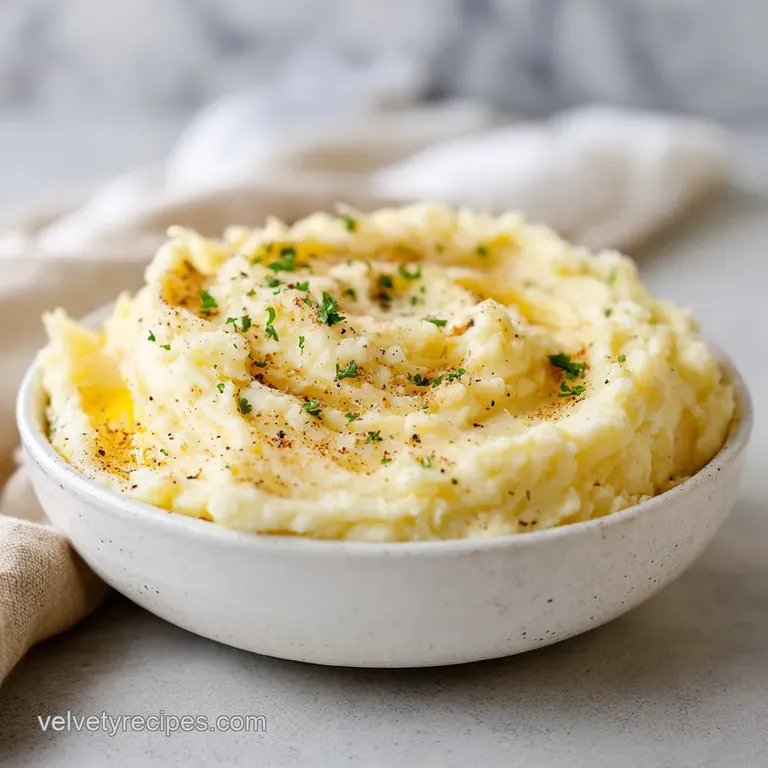
1. The Garlic Transformation
Preheat your oven to 400°F (200°C). Slice the top quarter off the 2 heads of garlic to expose the cloves. Drizzle with 1 tbsp olive oil and a pinch of flaky salt.
Wrap tightly in foil and roast for 40 minutes until the cloves are golden and soft.
2. The Precision Boil
While the garlic roasts, place your 3 lbs of cubed potatoes in a large pot. Cover with cold water by at least an inch and add 1 tbsp fine sea salt. Bring to a boil, then reduce to a simmer for 15-20 minutes until a fork slides in with zero resistance.
3. The Steam Dry Technique
Drain the potatoes thoroughly. Return them to the hot, empty pot over low heat for about 2 minutes. Shake the pot gently until the potato surfaces look dry and slightly chalky. Note: This step is vital for a non watery mash.
4. The Flavor Extraction
Squeeze the roasted garlic cloves out of their skins directly into a small bowl. Mash them with a fork into a smooth paste. In your small saucepan, warm the 1/2 cup milk and 2 tbsp butter until the butter is completely melted.
5. The Final Assembly
Add the garlic paste, warm milk mixture, and 1/2 cup Greek yogurt to the potatoes. Mash by hand until the mixture is velvety and mostly smooth. Note: Don't over mix or you'll activate too much starch.
6. Season and Serve
Fold in the 2 tbsp of snipped chives and freshly cracked black pepper. Taste and add more salt if needed. Serve immediately while the steam is still rising from the bowl.
Fixing Common Potato Problems
Even the best of us have bad potato days. Maybe the heat was too high, or maybe the potatoes were just extra starchy that day. Don't panic! Most mash issues can be fixed with a little bit of heat or a splash of liquid.
Avoiding the "Glue" Trap
The most common mistake is over processing. When you mash a potato, you're breaking open starch granules. If you use a food processor or a blender, you break too many at once, releasing a sticky mess. Stick to a hand masher.
Fixing Heavy or Dense Potatoes
If your mash feels like a brick, you probably didn't use enough liquid or your potatoes were very large. Add an extra tablespoon of warm milk at a time. The heat is the key here; cold liquid will just make the density worse.
| Problem | Root Cause | Solution |
|---|---|---|
| Gummy Texture | Over mashing or using a blender | Fold in a little extra butter and serve as a "thick" style mash. |
| Watery Mash | Didn't drain or steam dry well | Heat on low for 5 minutes while stirring to evaporate moisture. |
| Lumpy Garlic | Garlic wasn't roasted long enough | Press the garlic through a fine mesh sieve before adding to potatoes. |
Common Mistakes Checklist:
- ✓ Always start potatoes in cold water to ensure even cooking.
- ✓ Don't skip the "steam dry" step; it's the difference between watery and velvety.
- ✓ Never use cold dairy; warm the milk and butter together first.
- ✓ Salt the water generously - the potatoes need to absorb seasoning while they cook.
- ✓ Stop mashing the second the lumps are gone to avoid the gluey stage.
Flavorful Swaps and Substitutions
Sometimes you open the fridge and realize the yogurt is gone, or you're cooking for someone with dietary restrictions. The good news is that potatoes are incredibly forgiving. You can swap out almost any of the fats and still end up with something hearty.
| Original Ingredient | Substitute | Why It Works |
|---|---|---|
| Greek Yogurt | Sour Cream | Similar fat content. Note: Will be slightly less tangy. |
| low-fat Milk | Chicken/Veggie Broth | Adds deep savory notes. Note: Mash will be less creamy. |
| Grass fed Butter | Extra Virgin Olive Oil | Provides a fruity, peppery finish. Note: Texture is less "fluffy." |
If you really want to go for it, try swapping the chives for roasted leeks. It takes a bit more time, but the oniony sweetness pairs beautifully with the garlic. Just sauté the leeks in a little butter until they're soft and golden before folding them in.
If you want a Vegan Friendly Feast, replace the butter with a high-quality plant based butter and use unsweetened soy milk or cashew cream instead of the yogurt. The roasted garlic does most of the heavy lifting for the flavor anyway, so you won't even miss the dairy.
Scaling for Large or Small Crowds
Adjusting this recipe is pretty straightforward, but there are a few rules to follow so you don't end up with a salt bomb or a bland bowl of mush.
Scaling Down (½ batch): Use 1 large head of garlic. Reduce cook time for potatoes by about 5 minutes since the smaller volume heats faster. Be careful with the salt; start with ½ tsp and work your way up.
- Liquid Control
- Do not double the milk and yogurt exactly. Start with 1.5x the amount and add more only if needed. Large batches retain more moisture.
- Batch Roasting
- You can roast 4-6 heads of garlic at once in the oven. Just make sure they aren't touching so the air can circulate.
- Salt Warning
- Only increase salt by 1.5x for every 2x increase in potatoes. You can always add more at the end, but you can't take it out!
| Servings | Potatoes | Garlic | Milk | Butter |
|---|---|---|---|---|
| 3 People | 1.5 lbs | 1 head | 1/4 cup | 1 tbsp |
| 6 People | 3 lbs | 2 heads | 1/2 cup | 2 tbsp |
| 12 People | 6 lbs | 4 heads | 3/4 cup | 3 tbsp |
Potato Myths Debunked
One of the biggest lies in the kitchen is that you should boil potatoes whole to "save the flavor." Honestly, that just leads to the outside falling apart while the inside stays crunchy. Cubing them to a uniform 1 inch size ensures every piece is perfectly cooked at the exact same moment.
Another myth is that you need a lot of heavy cream for "luxury" potatoes. The truth is that the roasted garlic and the technique of steam drying do more for the texture than a pint of cream ever could. In fact, too much cream can mask the delicate, nutty sweetness of the roasted garlic.
Finally, don't believe that you have to peel them. If you're using Yukon Golds, the skins are so thin that you can leave them on for a "rustic" style. It adds more fiber and a bit of earthy flavor, though for this specific "coziest" version, I prefer the silkiness of peeled spuds.
Storage and Reheating Strategies
Storage: These potatoes will stay fresh in an airtight container in the fridge for up to 4 days. They actually thicken up quite a bit as they cool, so don't be surprised if they look like a solid block the next day.
Freezing: You can freeze these! Mashed potatoes with high fat content (like butter and yogurt) freeze surprisingly well. Place them in a freezer safe bag, flatten it out to remove air, and freeze for up to 2 months. Thaw in the fridge overnight before reheating.
Reheating: Avoid the microwave if you can, as it tends to make the edges dry and the middle cold. Instead, place the potatoes in a saucepan over low heat. Add a splash of warm milk and stir constantly until they are heated through and creamy again.
Zero Waste Tip: Don't throw away those potato peels! Toss them with a little olive oil, salt, and pepper, and roast them at 400°F (200°C) for 15 minutes.
They turn into crispy "potato skins" that are perfect for snacking or as a crunchy topping for the mash itself.
Main Courses for Garlic Mash
Because this dish is so rich and savory, it pairs beautifully with proteins that have a bit of acidity or a strong sear. Think of a pan seared steak with a balsamic glaze or a roast chicken with lemon and rosemary.
The tang of the Greek yogurt in the potatoes cuts right through the fat of a steak, creating a perfectly balanced bite.
It's also incredible with roasted root vegetables. If you're going meatless, serve this alongside some honey glazed carrots or balsamic roasted Brussels sprouts. The sweetness of the vegetables mirrors the sweetness of the roasted garlic, making the whole plate feel cohesive and well thought out.
Finally,, if you have leftovers, they make the world's best base for a Shepherd's Pie. Just spread them over a mixture of ground meat (or lentils) and veggies, and bake until the peaks of the mash turn golden brown and crispy.
It’s the ultimate way to make sure not a single spoonful of that roasted garlic goodness goes to waste.
Recipe FAQs
What is the best side dish ever?
Roasted garlic mashed potatoes. This version achieves ultimate coziness by using roasted garlic for sweetness and Greek yogurt for a light, tangy richness.
What is America's favorite side dish?
Mashed potatoes are consistently among the favorites. This recipe elevates the classic by introducing complex flavors from slow roasted garlic, making it exceptionally satisfying.
What is an easy side dish to bring to a party?
Yes, this is highly transportable. Keep the potatoes warm until you leave, then reheat gently with a splash of warm milk upon arrival to restore the velvety texture.
What are good potluck dishes?
This recipe is an excellent choice for potlucks. The yogurt helps stabilize the texture slightly better than straight cream, minimizing the risk of separation if held at temperature for a while.
How to avoid gluey mashed potatoes?
Drain completely and steam dry the potatoes over low heat for two minutes. This removes excess surface water, preventing starch release and subsequent gumminess when mashing gently.
Can I use a different potato than Yukon Gold?
Yes, you can substitute Russet potatoes, but expect a different texture. Russets are high starch and will yield a fluffier, drier result compared to the naturally buttery, velvety texture of Yukon Golds.
Is it necessary to roast the garlic?
No, it is not strictly necessary, but highly recommended for depth. Roasting transforms the raw sulfur compounds into nutty, sweet vanillin, which is crucial for the signature flavor of this cozy side dish.
Cozy Roasted Garlic Mash
Ingredients:
Instructions:
Nutrition Facts:
| Calories | 272 kcal |
|---|---|
| Protein | 8 g |
| Fat | 6.8 g |
| Carbs | 47 g |
| Fiber | 5.2 g |
| Sugar | 4.1 g |
| Sodium | 420 mg |
