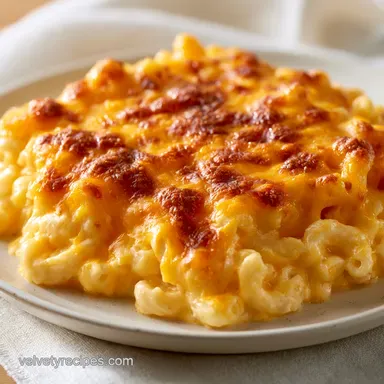
Creamy Baked Macaroni and Cheese: Silky and Golden
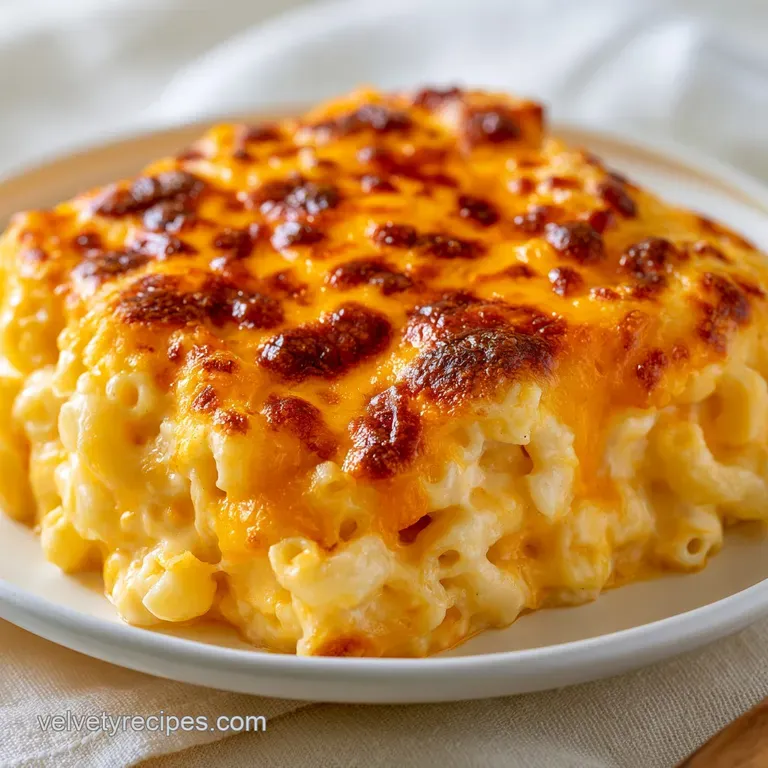
- Time: 20 min active + 40 min baking = 60 min total
- Flavor/Texture Hook: Shatter crisp Panko topping with a silky, gooey center
- Perfect for: Family Sunday dinners or a budget-friendly crowd pleaser
- Why Creamy Baked Macaroni and Cheese Works
- The Essential Recipe Specifications
- Budget Friendly Ingredients List
- Must Have Cooking Equipment
- Step by Step Cooking Process
- Avoiding Common Cooking Pitfalls
- Flavor Variations and Additions
- Adjusting the Serving Size
- Truths About Mac and Cheese
- Storage and Leftover Guidelines
- Visual Plating and Presentation
- High in Sodium
- Recipe FAQs
- 📝 Recipe Card
That smell of bubbling cheese and toasted breadcrumbs hitting the air is, for me, the smell of home. I remember my grandmother's kitchen during the holidays, where the baked mac was the undisputed king of the table.
In many households, especially in Southern American traditions, this dish isn't just a side, it's a cultural anchor. It represents comfort, community, and the kind of warmth you can only get from a heavy ceramic dish coming straight out of the oven.
For a long time, I thought the secret was just adding more butter. I’d dump in half a stick, hoping for that restaurant style gloss, only to end up with a greasy puddle at the bottom of the pan.
It took a few years of experimenting with different cheese blends and pasta timings to realize that the magic is actually in the restraint.
When you make this creamy baked macaroni and cheese, you aren't just boiling noodles and adding sauce. You're creating a structured emulsion that can withstand the dry heat of the oven. I've focused on making this budget smart, using ingredients you likely already have, while ensuring the end result tastes like a million dollars.
Why Creamy Baked Macaroni and Cheese Works
If you've ever had baked pasta that turned into a dry, gummy brick, you know the struggle. Most people overcook their noodles on the stove, and then they "cook" them again in the oven. That's a recipe for disaster.
Under boiling: Cooking the pasta for 2 minutes less than the box says leaves room for the noodles to soak up the cheese sauce while baking. This means the pasta stays tender but holds its shape.
The Flour Barrier: Using a roux (butter and flour) creates a stable base that prevents the fats in the cheese from separating. This is what keeps the sauce velvety instead of oily.
Cheese Pairing: Combining extra sharp cheddar for punch and mozzarella for that legendary stretch gives you the best of both worlds. The mozzarella acts as a binder, while the cheddar provides the deep, salty flavor.
The Topping Crunch: Panko is lighter and airier than traditional breadcrumbs. When mixed with melted butter, it creates a crust that actually shatters when you bite into it.
| Method | Time | Texture | Best For |
|---|---|---|---|
| Stovetop | 20 mins | Silky/Liquid | Quick weeknight meals |
| Baked | 60 mins | Gooey/Crusty | Holidays and potlucks |
The Essential Recipe Specifications
When you're diving into a hearty bake, the numbers matter. I've found that a few specific checkpoints make the difference between a mediocre dish and one that people will beg for the recipe for.
First, the oven temperature must be exactly 350°F (175°C). If you go higher, the cheese on the edges will burn before the center is hot. Second, your milk should be warmed before it hits the roux.
Pouring ice cold milk into hot butter and flour often leads to lumps that no amount of whisking can fix. Finally, the "coating" test is your gold standard. Your sauce is ready when it's thick enough to leave a clear path on the back of a spoon when you drag your finger through it.
I once tried to rush the sauce by cranking the heat to high. I ended up with a scorched bottom and a grainy texture. Trust me, medium heat is your friend here. It takes a few extra minutes, but the result is a smooth, professional finish.
Budget Friendly Ingredients List
I've kept this list simple so you don't have to make three different trips to the store. Most of these are pantry staples, but the quality of your cheese really makes the dish.
For the Pasta Base
- 1 lb elbow macaroni Why this? Classic shape that holds onto the sauce (Substitute: Cavatappi for a modern twist)
- 1 tbsp salt Why this? Seasons the pasta from the inside out (Substitute: Sea salt)
For the Velvety Cheese Sauce
- 3 tbsp unsalted butter Why this? Base for the roux and adds richness (Substitute: Margarine)
- 3 tbsp all purpose flour Why this? Thickens the sauce and prevents splitting (Substitute: gluten-free flour blend)
- 3 cups 2% milk Why this? Balanced creaminess without being too heavy (Substitute: Whole milk for more richness)
- 2 cups extra sharp cheddar, grated Why this? Provides the signature bold flavor (Substitute: Sharp White Cheddar)
- 1 cup mozzarella, grated Why this? Creates the gooey, stretchy pull (Substitute: Monterey Jack)
- 1/2 tsp garlic powder Why this? Adds a subtle savory baseline (Substitute: 1 clove fresh minced garlic)
- 1/2 tsp smoked paprika Why this? Gives a hint of wood fired depth (Substitute: Regular paprika)
- 1/2 tsp salt Why this? Enhances the cheese flavor (Substitute: Kosher salt)
- 1/4 tsp black pepper Why this? Adds a tiny bit of heat (Substitute: White pepper)
For the Panko Topping
- 1 cup Panko breadcrumbs Why this? Superior crunch compared to dried crumbs (Substitute: Crushed Ritz crackers)
- 1/4 cup grated Parmesan cheese Why this? Adds a salty, nutty crust (Substitute: Pecorino Romano)
- 2 tbsp melted butter Why this? Browns the crumbs in the oven (Substitute: Olive oil)
- 1/2 tsp dried parsley Why this? Adds a pop of color (Substitute: Fresh chopped parsley)
| Original Ingredient | Substitute | Why It Works |
|---|---|---|
| 2% Milk (3 cups) | Whole Milk (3 cups) | Higher fat content. Note: Makes the sauce richer and heavier |
| Panko (1 cup) | Crushed Ritz (1 cup) | Very buttery. Note: More flavor but less "shatter" crunch |
| Extra Sharp Cheddar | Sharp White Cheddar | Similar salt profile. Note: Changes color to a pale gold |
Since we're talking about binding and richness, you might find the logic here similar to how I handle the sauce in my Alabama Chicken Linguine, where the balance of fat and liquid is everything.
Must Have Cooking Equipment
You don't need a professional kitchen to nail this, but a few tools make the process way smoother. First, a large pot for the macaroni is non negotiable. You need plenty of water so the pasta doesn't clump together.
A heavy bottomed saucepan is your best bet for the cheese sauce. If you use a thin pot, the butter and flour can hot spot, leading to those dreaded brown lumps. I usually use a stainless steel pan because it's easy to whisk in.
For the final bake, a 9x13 inch baking dish is the standard. If you use a deeper, smaller dish, the middle might stay too liquid while the edges dry out. A wider dish allows for more surface area for that Panko topping to get golden and crispy.
Step by step Cooking Process
Right then, let's get into the actual making of this dish. Follow these steps closely, especially the pasta timing, and you'll have a winner.
Phase 1: Prepping the Pasta
- Bring a large pot of salted water to a rolling boil. Add macaroni and cook for 2 minutes less than the package directions until it's just barely al dente. Note: The pasta will finish cooking in the cheese sauce during the bake.
- Drain the pasta in a colander. Set it aside without rinsing. Note: Rinsing removes the starch that helps the sauce stick to the noodles.
Phase 2: Crafting the Sauce
- Melt 3 tablespoons of butter in a saucepan over medium heat. Whisk in flour and cook for 1-2 minutes until the mixture smells nutty and looks pale gold.
- Slowly pour in the warmed milk, whisking constantly to eliminate lumps. Simmer for 3-5 minutes until the sauce thickens enough to coat the back of a spoon.
- Remove the saucepan from heat. Stir in the sharp cheddar and mozzarella until completely melted and smooth.
- Fold in garlic powder, smoked paprika, salt, and black pepper. Stir until the spices are evenly distributed.
Phase 3: Combining and Baking
- Preheat your oven to 350°F (175°C). Fold the undercooked macaroni into the cheese sauce until every noodle is fully submerged.
- Pour the mixture into a greased 9x13 inch baking dish. Spread it evenly with a spatula.
- Mix Panko, Parmesan, melted butter, and parsley in a small bowl. Sprinkle this evenly over the top.
- Bake for 40 minutes until the crust is golden brown and the cheese is bubbling at the edges.
| Component | Science Role | Pro Secret |
|---|---|---|
| All Purpose Flour | Stabilizer | Cook it for 2 mins to remove the "raw" flour taste |
| Extra Sharp Cheddar | Flavor Base | Grate it yourself; pre shredded has anti clumping starch |
| Panko | Texture Agent | Toss with melted butter first for an even brown |
Avoiding Common Cooking Pitfalls
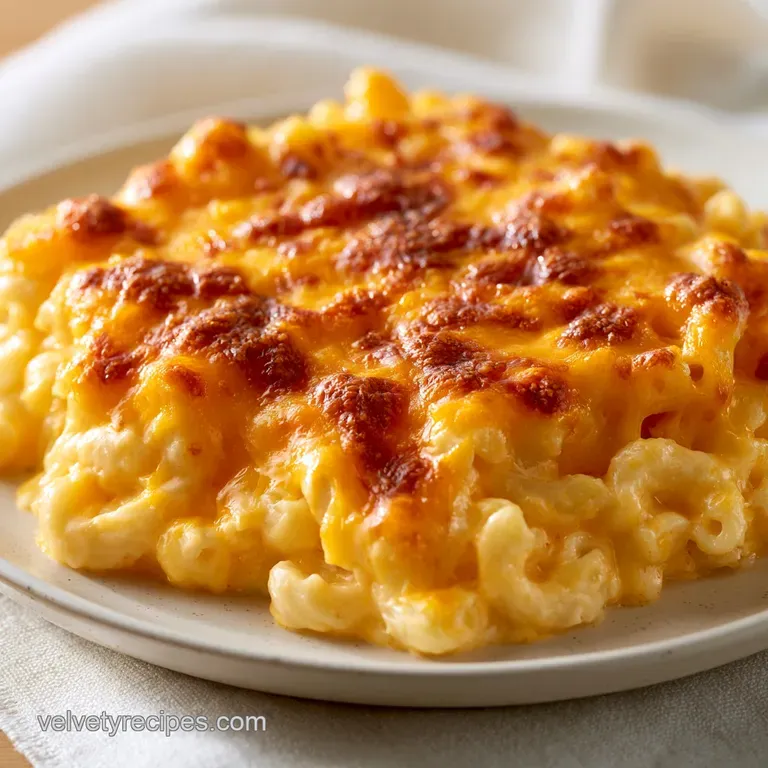
Even the most experienced home cooks hit a snag with baked mac. The most common issue is the "Grainy Sauce Syndrome." This happens when the cheese is added to a sauce that is too hot, causing the proteins to clump and the fats to separate. Always remove the pan from the heat before stirring in your cheese.
Another problem is the "Dry Out." If your macaroni looks like it's absorbing the sauce too quickly, it's usually because the pasta was overcooked during the boil. The noodles act like sponges, and if they're already full of water, they can't hold the sauce properly.
Why Your Sauce Is Grainy
If you notice the sauce looks curdled or gritty, you've likely overheated the cheese. This breaks the emulsion.
| Problem | Root Cause | Solution |
|---|---|---|
| Grainy Texture | Cheese overheated | Remove from heat immediately and whisk in a splash of milk |
| Dry Pasta | Overcooked noodles | Add 1/4 cup extra milk to the sauce before baking |
| Soggy Topping | Not enough butter | Toast Panko in a pan for 2 mins before adding to dish |
Essential Success Checklist
- ✓ Grated cheese by hand for a smoother melt
- ✓ Pasta drained but NOT rinsed
- ✓ Sauce thickened to "spoon coat" consistency
- ✓ Oven preheated to exactly 350°F (175°C)
- ✓ Panko evenly distributed to the edges
Flavor Variations and Additions
Once you've mastered the basic creamy baked macaroni and cheese, you can start playing with the flavors. If you want to make it a full meal, I love stirring in some steamed broccoli or diced smoked ham. The saltiness of the ham cuts through the richness of the cheddar beautifully.
For those who like a bit of a kick, add a teaspoon of Dijon mustard or a pinch of cayenne pepper to the roux. It doesn't make it "spicy" so much as it awakens the other flavors in the cheese. Another great trick is adding a drizzle of truffle oil just before serving for a more upscale vibe.
If you're looking for something to serve alongside this, my Sourdough Cheesy Breadsticks are a natural fit, though your guests might be too full of mac to eat them!
Decision Shortcut for Toppings:
- If you want maximum crunch: Use Panko + Parmesan.
- If you want a cheesy crust: Use extra Cheddar on top.
- If you want a buttery finish: Use crushed Ritz crackers.
Adjusting the Serving Size
Scaling a baked dish isn't always a straight line. If you're cooking for a smaller group, you can halve the recipe easily. Use an 8x8 inch pan and reduce the baking time by about 20%. I recommend beating one egg and using half of it if you're adding a binder, though this recipe doesn't require one.
When doubling or tripling the recipe for a party, be careful with the salt and spices. I usually only increase salt and paprika to 1.5x the original amount, as these flavors can become overwhelming in large volumes.
For the bake, don't just double the time. Instead, use two separate 9x13 pans. If you pile the macaroni too deep in one giant pot, the center will remain cold while the top burns. If you must use a deeper dish, lower the temperature to 325°F (160°C) and extend the bake time by 15-20 minutes to ensure the heat penetrates the core.
Truths About Mac and Cheese
There are a few things people tell you about this dish that simply aren't true. For one, the idea that you need a "special" expensive cheese to make it taste good. While a 5 year aged cheddar is great, a standard extra sharp block from the grocery store does the job perfectly if you balance it with mozzarella.
Another myth is that you should rinse your pasta to "remove the slime." In a stir fry, maybe. In a creamy baked macaroni and cheese, that "slime" is actually starch. That starch is what binds the sauce to the noodle. If you rinse it, your sauce will just slide off the pasta and pool at the bottom.
Finally,, some say you can use pre shredded cheese and get the same result. You can, but it's not the same. Pre shredded cheese is coated in potato starch or cellulose to keep the shreds from sticking in the bag.
This starch prevents the cheese from melting into a smooth, velvety sauce, often leaving it slightly grainy.
Storage and Leftover Guidelines
Baked mac is one of those rare dishes that actually tastes better the next day as the flavors meld together. Store any leftovers in an airtight container in the fridge for up to 4 days.
When reheating, avoid the microwave if you can. Microwaving often causes the cheese to separate and the noodles to get rubbery. Instead, place a portion in a small oven safe dish, add a tiny splash of milk to loosen the sauce, and bake at 350°F (175°C) for about 10-15 minutes.
This restores the creamy texture and crisps up the topping again.
For freezing, you can freeze the assembled dish before baking. Wrap it tightly in foil and plastic wrap for up to 3 months. Thaw it in the fridge overnight before popping it into the oven.
To keep things zero waste, don't toss your cheese rinds! If you're using a block of Parmesan or Cheddar, save the hard ends in a freezer bag. Next time you make a vegetable soup or a beef stew, throw a rind in the pot while it simmers. It adds a massive amount of umami and depth to the broth.
Visual Plating and Presentation
Since this is a comfort food dish, you don't need to be too fancy, but a few touches make it look professional. I always suggest letting the dish rest for 10 minutes after it comes out of the oven.
This allows the sauce to set slightly, so when you scoop it out, it holds its shape instead of running all over the plate.
For a pop of color, sprinkle some freshly chopped parsley or chives over the top right before serving. The bright green against the golden brown crust makes the dish look vibrant and fresh.
If you're serving this as a side dish, use a wide, shallow bowl. This showcases the different layers - the crispy top, the gooey middle, and the tender pasta. If you're serving it as a main, a larger plate with a side of steamed green beans or a crisp garden salad provides the perfect balance to the richness of the creamy baked macaroni and cheese.
High in Sodium
1100 mg 1100 mg of sodium per serving (48% 48% of daily value)
The American Heart Association recommends a daily sodium limit of 2,300 mg to reduce the risk of high blood pressure and heart disease.
Tips to Reduce Sodium
-
Skip Pasta Water Salt-25%
Reduce or omit the 1 tbsp of salt used in the boiling water, as most of it is poured down the drain.
-
Omit Added Sauce Salt-25%
Remove the 1/2 tsp of salt from the sauce recipe and rely on the natural sodium found in the cheeses.
-
Choose Low-Sodium Cheese-15%
Substitute the extra sharp cheddar and mozzarella with low-sodium varieties or a mild Swiss cheese.
-
Reduce Parmesan-15%
Cut the grated Parmesan in the breadcrumb topping by half or replace it with a sprinkle of nutritional yeast.
-
Enhance with Spices
Increase the smoked paprika, garlic powder, and black pepper to add bold flavor without adding extra salt.
Recipe FAQs
What is the secret to creamy mac & cheese?
Undercook the pasta. Boil the macaroni for 2 minutes less than the package directions so the noodles finish cooking in the sauce during the 40-minute bake.
Can heart patients have mac and cheese?
Generally no. This dish contains high levels of saturated fats from butter and three types of cheese, which may not align with heart healthy dietary restrictions.
Is it better to use evaporated milk or heavy cream for mac and cheese?
Use 2% milk. This specific recipe is formulated for 2% milk to achieve a balanced creaminess without becoming overly greasy.
What are the three best cheeses for mac and cheese baked?
Extra sharp cheddar, mozzarella, and Parmesan. This combination creates a sharp flavor and gooey stretch that pairs perfectly with crock pot chicken.
How to get the cheese sauce smooth?
Remove the saucepan from heat before stirring in the cheese. This prevents the sauce from breaking or becoming oily, ensuring a velvety consistency.
Is it true you should rinse the pasta after boiling?
No, this is a common misconception. Rinsing removes the surface starch that helps the cheese sauce adhere to the macaroni.
How to reheat leftovers without them getting dry?
Bake in a small oven safe dish at 350°F. Add a tiny splash of milk to loosen the sauce and heat for 10-15 minutes to restore the texture.
Creamy Baked Macaroni And Cheese