Creamy Tomatillo Avocado Salsa Verde
- Time: Active 10 minutes, Passive 10 minutes, Total 20 minutes
- Flavor/Texture Hook: Velvety, smoky, and bright
- Perfect for: Weeknight taco nights or impressive party dipping
- The Secret To This Creamy Tomatillo Avocado Salsa Verde Recipe
- What to Expect From This Silky Smooth Green Salsa
- Why This Vibrant Blend Actually Works Every Single Time
- Quick Facts For Your Next Homemade Taco Night
- Picking the Right Produce for a Million Dollar Flavor
- Minimal Tools for Maximum Salsa Success and Easy Cleanup
- How to Char and Blend Your Way to Perfection
- Fixing Texture and Balance for the Best Results
- Customizing Your Salsa for Every Healthy Lifestyle Choice
- Smart Storage Tips to Save Your Leftover Green Gold
- Winning Pairings That Make Your Homemade Meal Shine
- Recipe FAQs
- 📝 Recipe Card
The Secret To This Creamy Tomatillo Avocado Salsa Verde Recipe
You know that vibrant green sauce at the local taco truck that's so rich you’d swear it was loaded with sour cream or mayo? I used to think there was some hidden dairy secret tucked away in those squeeze bottles. But after years of playing around in my own kitchen, I realized the "dairy" is actually a total myth.
It’s all about the magic of a perfectly ripe avocado meeting the charred, acidic punch of a tomatillo. When those two hit a high speed blender, they create something that tastes like a million dollars without a single drop of cream.
Last Tuesday, I was rushing to get dinner on the table we're talking "forgot to thaw the meat" kind of rush and I realized I had a bowl of slightly soft tomatillos sitting on the counter. I threw them under the broiler while I scrambled some eggs and warmed up a few corn tortillas.
In the 20 minutes it took to get the kids to wash their hands, I had whipped up this creamy tomatillo avocado salsa verde recipe. It turned a boring egg taco into a meal that felt like we were sitting at a high end cantina.
That’s the beauty of this dish. It’s accessible, it’s fast, and it uses the kind of basic tools every home cook has in their drawer. No fancy emulsifiers or complicated techniques required. Just a hot flame, a blender, and a little bit of patience while things get blistered and smoky.
Trust me, once you see how easy it is to get that silky texture, you'll never look at those watery supermarket salsas the same way again.
What to Expect From This Silky Smooth Green Salsa
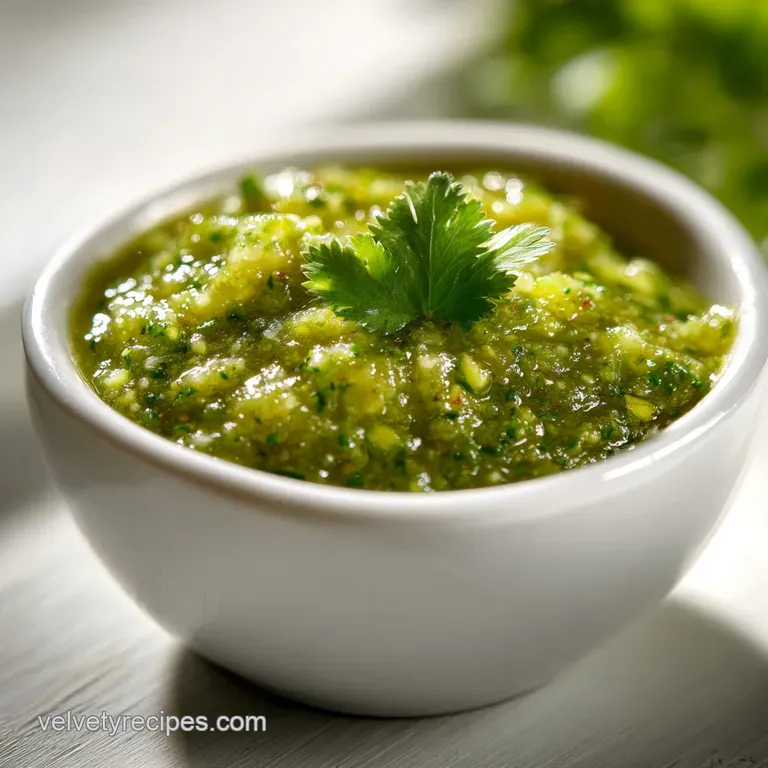
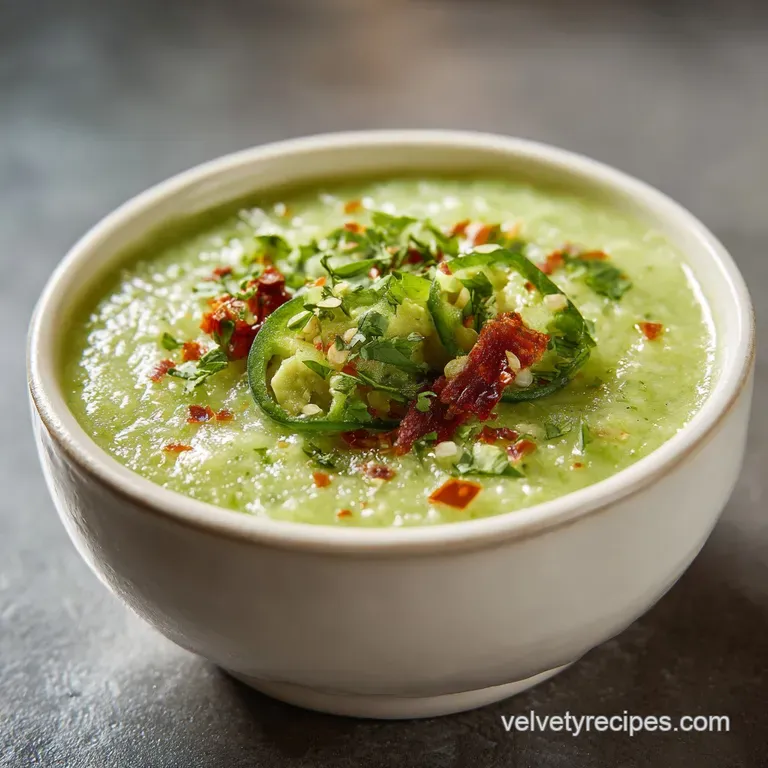
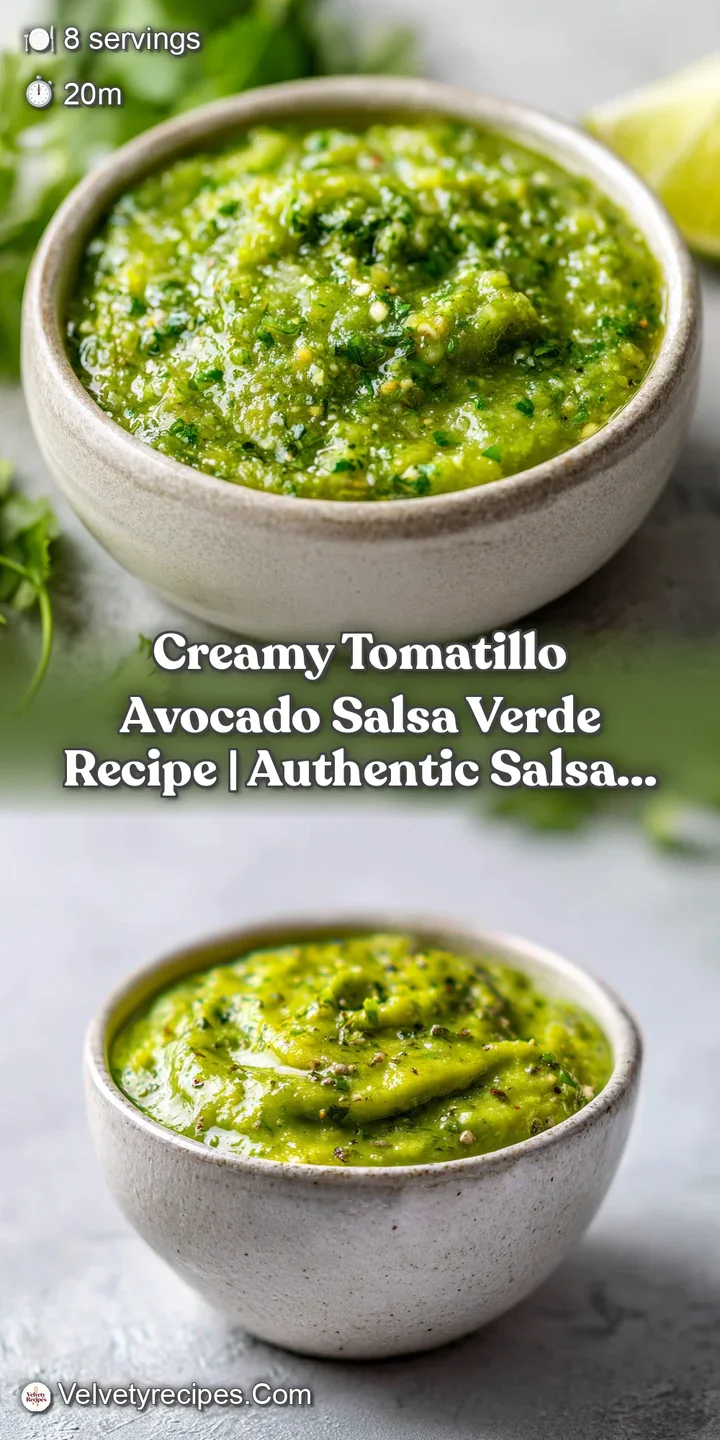
This isn't your typical chunky salsa where the tomato chunks slide off your chip. This is a thick, pourable sauce that clings to everything it touches. The flavor starts with a bright, tangy hit from the tomatillos, followed immediately by the cool, buttery richness of the avocado.
Then, right at the back of your throat, you get that slow, warm hum from the roasted serrano peppers. It’s a balance of acidity, fat, and heat that hits every single taste bud.
Because we are roasting the vegetables first, the sweetness of the onion and garlic really comes forward. Raw salsa verde can sometimes be a bit sharp or metallic, but this roasted version has a mellow, rounded depth. It’s hearty enough to stand up to a grilled steak but light enough to drizzle over a delicate piece of fish. If you enjoy experimenting with different textures in your cooking, you might find that this silky consistency reminds you of a well made silky sauteed eggplant dish where the vegetables just melt into each other.
The color is also something to behold. It stays a vivid, neon green thanks to the lime juice and the fresh cilantro. It looks spectacular in a bowl on a dinner table, almost like it's glowing.
Whether you are a heat seeker who leaves the pepper seeds in or someone who prefers a milder dip, this recipe is a canvas that you can tweak to fit your family's palate perfectly.
Why This Vibrant Blend Actually Works Every Single Time
I've spent a lot of time wondering why some salsas separate into a watery mess while this one stays perfectly united. It turns out, there are a few simple things happening in that blender that make all the difference.
- Fat Emulsification: The high fat content in the Hass avocados acts as a natural stabilizer, binding the watery juices of the tomatillos into a thick, creamy suspension.
- Pectin Power: Tomatillos are naturally high in pectin, which is a thickening agent; roasting them breaks down their cellular structure so the pectin can help body up the sauce.
- Air Incorporation: Blending on high speed for at least 60 seconds aerates the mixture, creating tiny bubbles that contribute to a light, mousselike mouthfeel.
- Sugar Caramelization: Broiling the onions and tomatillos transforms their harsh raw acids into complex sugars, removing the "bite" and adding a smoky undertone.
| Method | Total Time | Resulting Texture | Best For |
|---|---|---|---|
| Broiler (Oven) | 20 minutes | Smoky, blistered, deeply caramelized | Maximum flavor depth |
| Stovetop (Skillet) | 25 minutes | Charred in spots, slightly firmer | Controlling individual char levels |
| Boiling (Traditional) | 15 minutes | Soft, pale green, very mild | Large batches or canning bases |
Roasting under the broiler is my personal favorite because it's hands off. You just set it and forget it for a few minutes while you prep the rest of your meal. The intense heat from above mimics a wood fired grill, giving you those black charred spots that provide so much character to the final blend.
Quick Facts For Your Next Homemade Taco Night
Before you head to the kitchen, let's look at the "how" and "why" of our key components. Understanding what each ingredient brings to the party helps you become a more intuitive cook.
| Ingredient | Science Role | Pro Secret |
|---|---|---|
| Tomatillos | Provides the acidic base and structural pectin | Don't be afraid of the black charred skin; it's flavor gold |
| Hass Avocados | Supplies the healthy fats for a creamy emulsion | Use avocados that yield slightly to pressure but aren't mushy |
| Serrano Peppers | Adds "clean" heat that cuts through the fatty avocado | Roast them whole to mellow out the spice and add a fruity note |
| Lime Juice | Acts as a pH stabilizer to prevent browning | Always use fresh lime; the bottled stuff has a bitter aftertaste |
The lime juice is particularly important here. It’s not just for flavor; the citric acid helps keep the avocado from oxidizing and turning that muddy brown color that we all want to avoid. It keeps the salsa looking fresh and inviting for hours.
Picking the Right Produce for a Million Dollar Flavor
You don't need a pantry full of spices for this one. We are relying on the quality of the produce to do the heavy lifting. When you’re at the store, look for tomatillos that are firm and have husks that are starting to burst. If the husk is totally dried out and the fruit inside is shriveled, leave it behind.
- 1 lb fresh tomatillos: Husked and rinsed. Why this? They provide the tart, citrusy backbone essential for any authentic salsa verde.
- 2 medium serrano peppers: Stems removed after roasting. Why this? Serranos are hotter and thinner skinned than jalapeños, offering a sharper kick.
- 0.5 medium white onion: Cut into thick wedges. Why this? White onions have a sharp crunch that turns incredibly sweet when charred.
- 3 cloves garlic: Kept in their skins for the oven. Why this? Roasting garlic in the skin steams it into a sweet, nutty paste.
- 2 large ripe Hass avocados: Pitted and scooped. Why this? This is the "cream" of the recipe; ensure they are perfectly ripe.
- 0.5 cup fresh cilantro: Stems included. Why this? The stems actually hold more flavor and moisture than the leaves alone.
- 1 tbsp fresh lime juice: For acidity. Why this? It brightens the heavy fats and preserves the vibrant green color.
- 1 tsp kosher salt: To taste. Why this? Salt pulls all the disparate flavors together and makes them pop.
- 0.25 cup water: Added gradually. Why this? This helps thin the salsa to your preferred dipping or pouring consistency.
| Original Ingredient | Substitute | Why It Works |
|---|---|---|
| Serrano Peppers | Jalapeño Peppers | Lower heat profile. Note: Use 2-3 jalapeños to match the serrano bulk |
| White Onion | Red Onion | Adds a subtle sweetness and a slightly different hue |
| Kosher Salt | Sea Salt | Similar clean saltiness. Note: Use slightly less if using fine table salt |
If you happen to be making a Mediterranean inspired spread, this sauce is surprisingly versatile. It shares that same fresh, herbal energy you find in my Easy Greek Tzatziki Sauce recipe, though with a spicy Mexican twist instead of the cool cucumber vibes.
Minimal Tools for Maximum Salsa Success and Easy Cleanup
One of my biggest pet peeves is a recipe that requires every pot and pan in the house. For this, we are keeping it incredibly simple. You really only need a baking sheet and a blender.
I highly recommend using a high speed blender if you have one. It makes the sauce much smoother and more "aerated" than a standard food processor. If you only have a food processor, it will still taste fantastic, it will just have a slightly more rustic, textured feel rather than that velvety finish.
A simple rimmed baking sheet is perfect for the roasting part. I always line mine with aluminum foil. Tomatillos release a lot of sticky juice when they burst under the heat, and cleaning that off a bare pan is a nightmare. With the foil, you just crumple it up and toss it when you're done.
Minimal cleanup is always a win in my book.
How to Char and Blend Your Way to Perfection
Let's get cooking. Remember, we are looking for color here don't be scared of a little bit of black on those vegetables.
- Prepare the pan. Line a baking sheet with foil. Place the husked tomatillos, serrano peppers, onion wedges, and unpeeled garlic cloves on the tray. Note: Foil prevents the sticky tomatillo juices from burning onto your pan.
- Broil the vegetables. Broil on high for 5–7 minutes, approximately 4 inches from the heat source, until tomatillos are blistered and blackened in spots.
- Flip for evenness. Flip the vegetables halfway through for even caramelization. Wait until the skins are wrinkled and charred.
- Cool and peel. Remove the tray from the oven and let cool slightly. Squeeze the roasted garlic out of its skin and remove the stems from the serrano peppers. Note: Removing the seeds now will result in a much milder salsa.
- Load the blender. Transfer the roasted tomatillos (including any juices on the pan), peppers, onion, and garlic into a high speed blender.
- Add the fresh elements. Add the scooped avocado flesh, cilantro, lime juice, and salt.
- Emulsify the mixture. Blend on high speed until completely smooth and aerated.
- Adjust the thickness. If the consistency is too thick, add water one tablespoon at a time until the desired silkiness is reached.
- Seasoning check. Taste the salsa and add a pinch more salt if needed. Serve warm or chilled.
Chef's Tip: If your tomatillos are particularly small, they might roast faster than the onions. Keep a close eye on them and pull any items off the tray early if they are getting too dark.
Fixing Texture and Balance for the Best Results
Sometimes things don't go exactly as planned. Maybe your tomatillos were extra tart or your avocados weren't as creamy as they looked. Don't worry; most salsa "disasters" are very easy to fix.
Why Is My Salsa Bitter Instead of Tangy?
This usually happens if the tomatillos weren't roasted long enough or if they were underripe. The raw, metallic bitterness can be overwhelming. To fix this, you can add a tiny pinch of sugar I'm talking a quarter teaspoon to balance the acid.
Another trick is to add a little more roasted onion, which provides natural sweetness to counteract the bitter notes.
Why Is The Texture Grainy?
A grainy texture usually means the garlic wasn't roasted until soft or the blender didn't run long enough. If you’re using a standard blender, you might need to let it run for a full 2 minutes to really break down the onion fibers.
If it's still grainy, try adding one more tablespoon of water to help the blades catch the solids more effectively.
| Problem | Root Cause | Solution |
|---|---|---|
| Salsa is too runny | Too much water or extra juicy tomatillos | Add another half an avocado to thicken the emulsion |
| Sauce is too spicy | Seeds left in the serranos | Blend in more avocado or a splash of honey to mellow the heat |
| Color is dull | Not enough lime juice or oxidized avocado | Add a squeeze of fresh lime and blend for 10 seconds to refresh |
Common Mistakes Checklist
- ✓ Rinse the tomatillos thoroughly: They have a sticky residue under the husk that can taste soapy if not removed.
- ✓ Don't peel the garlic before roasting: Roasting it in the skin keeps the cloves from burning and turning bitter.
- ✓ Use the pan juices: That liquid on the foil is pure concentrated flavor; don't leave it behind.
- ✓ Let it cool slightly: Blending boiling hot liquid can cause the blender lid to pop off from the steam pressure.
- ✓ Taste as you go: Salt levels can vary wildly depending on the ripeness of the produce.
Customizing Your Salsa for Every Healthy Lifestyle Choice
One of the reasons I love this creamy tomatillo avocado salsa verde recipe is that it naturally fits into almost any diet. It’s vegan, gluten-free, and keto friendly without having to change a single thing.
If you want to make this even lower in calories, you can reduce the avocado to one and increase the number of tomatillos. You'll lose some of that "creamy" mouthfeel, but the flavor will still be punchy and bright.
For my keto friends, this is a dream sauce because it’s packed with healthy monounsaturated fats from the avocado, making it a perfect topping for a bunless burger or grilled chicken thighs.
For a completely oil free version, the broiler method is perfect because you don't need any oil to get that beautiful char on the vegetables. The natural sugars in the onion and the skins of the tomatillos will caramelize all on their own. If you find yourself wanting to experiment with other healthy, plant based options, this salsa is a great companion to veggie forward meals like a silky sauteed eggplant wrap.
Smart Storage Tips to Save Your Leftover Green Gold
Because of the fresh avocado, this salsa is best enjoyed within a day or two. However, you can definitely make it last a little longer with a few simple storage hacks.
In the Fridge: Store the salsa in an airtight container. Before sealing the lid, press a piece of plastic wrap directly onto the surface of the sauce. This creates a physical barrier against oxygen, which is the enemy of green avocados. It should stay vibrant for up to 3 days.
In the Freezer: I don't typically recommend freezing this specific recipe because the avocado texture can become a bit watery and "broken" once thawed. However, you can freeze the roasted base (tomatillos, onions, garlic, peppers) for up to 3 months.
When you're ready to eat, just thaw the base and blend it with fresh avocado and cilantro.
Zero Waste Tip: If you have leftover cilantro that’s starting to wilt, blend it all into the salsa! The stems are full of flavor. If you have extra roasted garlic, save it in a small jar of olive oil in the fridge to spread on toast the next morning.
Winning Pairings That Make Your Homemade Meal Shine
This salsa is so good I’ve been known to eat it with a spoon, but it truly shines when it’s paired with salty, savory foods. It’s the ultimate partner for "Taco Tuesday," but don't stop there.
The Classic Taco Topping
Drizzle this generously over carnitas or shredded chicken tacos. The acidity of the tomatillos cuts right through the richness of the pork, while the avocado creaminess provides a cool contrast to any spice in the meat. It's also incredible on breakfast tacos with crispy chorizo and fluffy scrambled eggs.
The Ultimate Breakfast Hack
Forget plain hot sauce; try this over a plate of Chilaquiles or even just a simple fried egg. The sauce acts as both a condiment and a vegetable side dish, adding a massive hit of nutrition and flavor to your morning. If you're looking for a different kind of fresh morning start, you might alternate this savory breakfast with something sweet like an Avocado Banana Almond Smoothie, which uses that same creamy avocado base in a totally different way.
- If you want a dip: Keep the water to a minimum for a thick, scoopable texture.
- If you want a dressing: Add an extra 2 tablespoons of water and a bit more lime juice to make it pourable for salads.
- If you want a marinade: Use the salsa as is to coat chicken or shrimp before grilling for a smoky, tangy crust.
Whether you're serving it at a big family barbecue or just meal prepping for a busy week, this salsa is a guaranteed winner. It’s hearty, it’s fresh, and it makes every meal feel just a little bit more special.
Once you start making your own salsa at home, the store-bought stuff just won't be able to compete with that fresh, charred flavor you created yourself. Enjoy!
Recipe FAQs
How to remove the sticky residue from tomatillos?
Rinse the fruit thoroughly under warm running water immediately after removing the papery husks. Rub the surface with your fingers to ensure every bit of the naturally occurring sticky film is gone, as it can impart an unpleasant soapy flavor to your salsa.
Is it true I should peel the garlic before putting it under the broiler?
No, this is a common misconception. You must leave the skins on while roasting to protect the garlic cloves from burning; this preserves their sweet, mellow flavor and prevents the bitter notes associated with charred, exposed garlic.
How to safely blend the roasted vegetables?
Let the tray cool for a few minutes before transferring the ingredients to your blender. Blending boiling hot liquid creates intense steam pressure that can force the lid off during operation, so waiting for a slight temperature drop is essential for safety.
How to achieve the perfect silky consistency?
Blend on high speed until the avocado and roasted vegetables are completely aerated and smooth. If the salsa is too thick for your preference, add water one tablespoon at a time until you reach your desired silkiness.
Should I scrape the juices off the foil after broiling?
Yes, definitely include the pan juices. That liquid on the foil is packed with concentrated flavor from the roasted tomatillos and onions, which provides the base depth of your salsa.
How to manage the heat level of the serrano peppers?
Remove the seeds and stems before blending if you prefer a milder salsa. If you enjoyed learning how to control heat profiles here, see how we balance robust flavors in our Creamy Garlic Parmesan Chicken Soup.
How long can I store this salsa in the refrigerator?
Keep it for up to 3 days in an airtight container in the refrigerator. Because fresh avocado oxidizes quickly, the color may darken slightly over time, but the flavor remains delicious.
Creamy Tomatillo Avocado Salsa
Ingredients:
Instructions:
Nutrition Facts:
| Calories | 107 kcal |
|---|---|
| Protein | 1.9 g |
| Fat | 7.7 g |
| Carbs | 9.5 g |
| Fiber | 4.5 g |
| Sugar | 2.8 g |
| Sodium | 248 mg |
