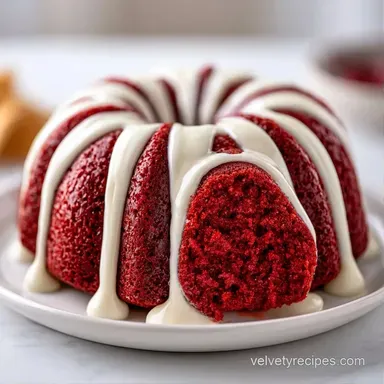
Moist Red Velvet Bundt Cake: Velvety and Rich
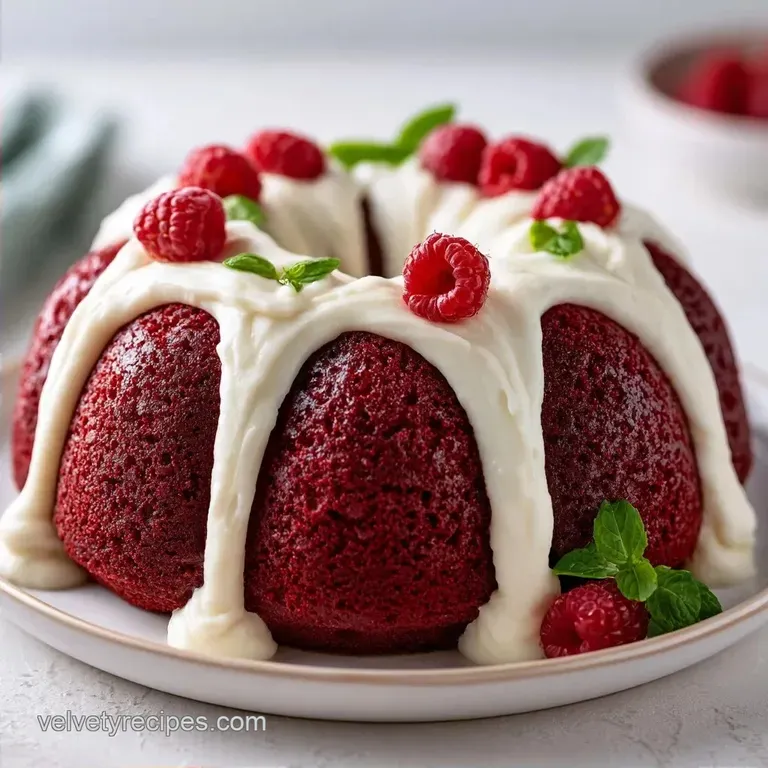
- Time: 30 min active + 50 min bake + 1 hr chilling = Total 2 hours 20 mins
- Flavor/Texture Hook: Velvety, deep cocoa flavor with a tangy, silky cream cheese glaze
- Perfect for: Holiday centerpieces, dinner parties, or anyone who loves a rich, indulgent treat
- Moist Red Velvet Bundt Cake
- Why Most Cakes Fail
- Component Analysis
- The Ingredient List
- Gear You'll Need
- Step by Step Guide
- Fixing Common Glitches
- Troubleshooting Common Issues
- Swaps and Tweaks
- Adjusting the Batch Size
- Red Velvet Truths
- Saving and Storing
- Perfect Pairing Ideas
- Recipe FAQs
- 📝 Recipe Card
That first scent of cocoa hitting the warm oven air is what gets me every time. There is something about the way the kitchen starts to smell like a fancy bakery, only deeper and a bit more mysterious. I remember the first time I tried to make a red velvet cake in a Bundt pan, and it was a disaster.
The cake was a dull, brownish pink color, and when I tried to flip it, a huge chunk stayed stuck to the side. It looked more like a crushed volcano than a dessert.
The real problem wasn't the ingredients, but the lack of contrast. Most recipes treat red velvet like a standard chocolate cake with dye, but it needs that specific tang to cut through the richness. I spent a lot of time figuring out how to get that velvety, tight crumb that still feels light on the tongue.
Once I stopped overmixing the flour and started using gel coloring instead of the liquid stuff, everything changed.
This Moist Red Velvet Bundt Cake is the fix for those common fails. We are aiming for a deep crimson interior and a glaze that doesn't just slide off the sides but clings in a silky, opaque layer. It's a bit of a project, but the result is a cake that feels indulgent and looks like it came from a professional shop.
Moist Red Velvet Bundt Cake
Getting the texture right is all about the interaction between the fats and the acids. If you just throw everything in a bowl, you end up with a dense brick. By creaming the butter and sugar first, we create tiny air pockets that allow the cake to rise evenly without becoming spongy.
The red velvet profile is unique because it's not just "chocolate." It's a subtle cocoa flavor highlighted by the acidity of buttermilk. This creates a flavor map that moves from the rich, fatty notes of the butter to the bright, sharp tang of the cream cheese. It's that contrast that makes it so addictive.
I've found that the Bundt shape is actually the best way to serve this. Because the cake is so rich, the higher surface area to volume ratio means you get more of that slightly caramelized outer crust in every slice. It balances the softness of the center perfectly.
Why Most Cakes Fail
Many people struggle with red velvet because they treat it as a secondary thought. The most common issue is the "brown out," where the red color fades into a muddy brown during baking. This happens when the pH level of the batter is too high or the cocoa powder is too alkaline.
Another big issue is the "rubber effect." This comes from over beating the flour. Once the flour hits the wet ingredients, the gluten starts to develop. If you mix too much, you're essentially making a red velvet bagel instead of a cake.
The key is to fold the ingredients together just until the streaks of flour disappear.
Then there is the pan struggle. Bundt pans are notorious for trapping cake. If you only use spray, the cake often sticks. The double method of buttering and then dusting with flour creates a physical barrier that lets the cake slide out cleanly.
The Tangy Lift: Buttermilk and vinegar react with baking soda to create carbon dioxide bubbles. This ensures the cake rises quickly and stays tender.
Color Stability: Red gel coloring is more concentrated than liquid drops. It provides a deep hue without adding excess water, which would mess up the batter's consistency.
Fat Distribution: Creaming butter and sugar traps air, while the buttermilk provides a liquid fat that keeps the crumb velvety.
Acid Balance: The vinegar acts as a stabilizer for the red pigment, preventing the heat of the oven from turning the cake brown.
| Prep Method | Texture | Effort | Best For |
|---|---|---|---|
| From Scratch | Velvety & Dense | High | Special Occasions |
| Box Mix | Spongy & Sweet | Low | Quick Cravings |
| Shortcut (Oil) | Moist but Greasy | Medium | Casual Parties |
Component Analysis
| Ingredient | Science Role | Pro Secret |
|---|---|---|
| Buttermilk | Tenderizer | Use room temperature to avoid curdling the butter |
| Cocoa Powder | Flavor Base | Sift it twice to remove stubborn clumps |
| Red Gel Color | Visual Identity | Add it to the butter mixture, not the flour |
| Vinegar | Color Fix | Stir in at the very end to keep the reaction fresh |
The Ingredient List
For the batter, make sure everything is at room temperature. This is non negotiable if you want that smooth emulsion.
The Batter
- 2.5 cups (310g) all purpose flour Why this? Provides the structure for a sturdy Bundt slice (Substitute: Cake flour for a lighter crumb, but it'll be less stable)
- 0.5 cup (45g) unsweetened cocoa powder Why this? Adds the essential deep chocolate undertone (Substitute: Dutch processed for a darker color)
- 1 tsp (5g) baking soda Why this? Reacts with acid for the lift (Substitute: None, critical for the reaction)
- 0.5 tsp (3g) salt Why this? Balances the sugar (Substitute: Sea salt)
- 1 cup (200g) granulated cane sugar Why this? Standard sweetness and structure (Substitute: Organic cane sugar)
- 0.5 cup (115g) unsalted butter, softened Why this? Creates a rich, velvety mouthfeel (Substitute: Vegan butter sticks)
- 2 large (100g) eggs, room temperature Why this? Binds the cake together (Substitute: 2 flax eggs, though texture will be denser)
- 1 cup (240ml) low-fat buttermilk, room temperature Why this? The primary tenderizer (Substitute: Milk + 1 tbsp lemon juice)
- 1 tsp (5ml) white distilled vinegar Why this? Brightens flavor and locks in red color (Substitute: Apple cider vinegar)
- 1 tsp (5ml) vanilla extract Why this? Rounds out the cocoa (Substitute: Almond extract for a nutty twist)
- 2 tbsp (30ml) red gel food coloring Why this? Vibrant color without thinning the batter (Substitute: Beet powder, but color will be muted)
The Lightened Cream Cheese Glaze
- 4 oz (115g) low-fat cream cheese, softened Why this? Provides the signature tang (Substitute: Full fat for a richer glaze)
- 0.25 cup (60g) plain Greek yogurt Why this? Thins the glaze while keeping it creamy (Substitute: Sour cream)
- 0.5 cup (60g) powdered sugar Why this? Sweetens and stabilizes (Substitute: Confectioners sugar)
- 1 tsp (5ml) vanilla extract Why this? Enhances the cream cheese (Substitute: Maple syrup)
- 1.5 tbsp (22.5ml) milk Why this? Adjusts the pourability (Substitute: Heavy cream)
Gear You'll Need
You don't need a professional kitchen, but a few specific tools make this Moist Red Velvet Bundt Cake much easier. An electric hand mixer or a stand mixer like a KitchenAid is essential for the creaming stage.
You'll also need a fine mesh sieve for the cocoa powder, as cocoa is notorious for forming tiny, bitter clumps that don't disappear during baking.
The pan is the most important part. Use a 10-12 cup Bundt pan. If you use a silicone pan, be extra careful with the greasing, as silicone can sometimes "grip" the cake. A heavy duty aluminum pan is usually the gold standard for even heat distribution.
Finally, have a wire cooling rack ready. If you leave the cake in the pan too long, the steam will settle at the bottom, making the base soggy.
Step by step Guide
Phase 1: Prepping the Foundation
- Preheat the oven to 350°F (175°C). Generously grease a 10-12 cup Bundt pan with butter and a dusting of flour. Note: Shake out the excess flour so you don't have white streaks on your red cake.
- Sift together the all purpose flour, cocoa powder, baking soda, and salt into a bowl until fine and clump free. Note: This aerates the flour for a lighter crumb.
Phase 2: Creating the Emulsion
- Cream the softened butter and granulated cane sugar using an electric mixer until the mixture is pale and fluffy. Continue for about 3-5 mins until the sugar crystals have mostly dissolved.
- Beat in the eggs one at a time, followed by the vanilla extract. Note: Adding eggs slowly prevents the batter from breaking.
- Slowly incorporate the red gel coloring until the batter is a uniform, deep crimson color.
Phase 3: The Fold and Bake
- Alternately add the sifted dry ingredients and the buttermilk to the butter mixture, starting and ending with the flour. Mix on low speed only until just combined.
- Stir in the white distilled vinegar last. Note: This triggers the final leavening reaction just before it hits the oven.
- Pour the batter into the prepared Bundt pan and bake for 50 minutes until a toothpick inserted into the center comes out clean.
- Allow the cake to cool completely on a wire rack. Note: If you flip it too early, the structure might collapse.
Phase 4: The Finishing Glaze
- Prepare the glaze by mixing softened low-fat cream cheese, plain Greek yogurt, powdered sugar, and vanilla extract.
- Add milk (1-2 tbsp) as needed to adjust the consistency to a pourable glaze. It should look like thick lava, not water.
- Apply the glaze to the cooled cake and chill for 1 hour to allow the glaze to set before serving.
Fixing Common Glitches
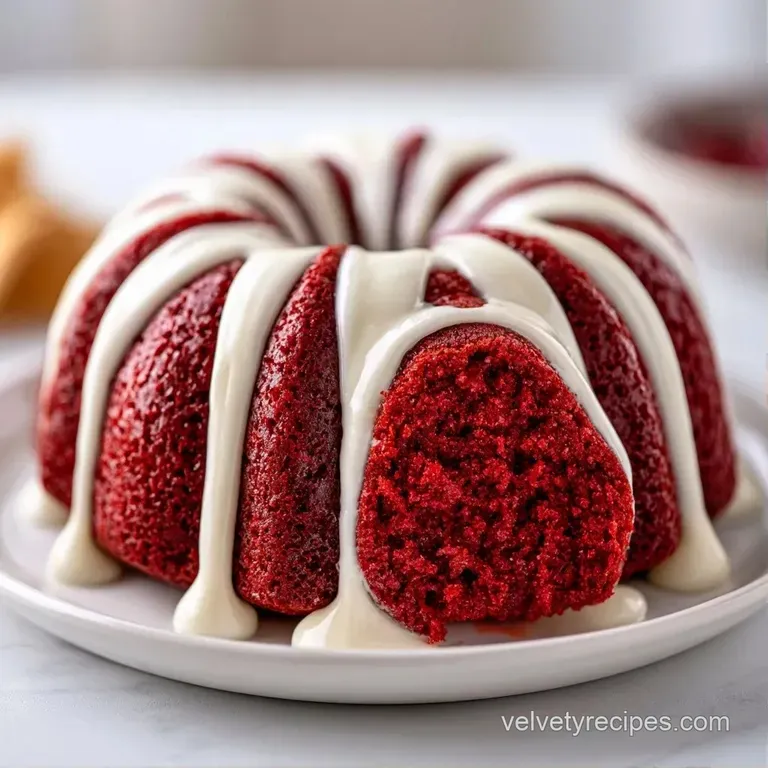
Troubleshooting Common Issues
| Issue | Solution |
|---|---|
| Why Your Cake Stuck to the Pan | This is usually a greasing failure. If you only used oil or spray, the sugar in the cake can caramelize and act like glue against the metal. The "butter and flour" method is the only way to be sure. |
| Why the Color Turned Brown | This happens when the acid levels are too low or the oven is too hot. If the cake browns too quickly on the outside, the heat destroys the red pigment. Ensure your vinegar and buttermilk are fresh. |
| Why the Center Stayed Raw | Bundt cakes are deep, meaning the edges cook much faster than the core. If the top is browning but the center is gooey, tent the cake with foil for the last 10 minutes. |
Common Mistakes Checklist
- ✓ Did you grease the pan with both butter AND flour?
- ✓ Are the eggs and buttermilk at room temperature?
- ✓ Did you sift the cocoa powder to avoid bitter clumps?
- ✓ Did you stop mixing the moment the flour vanished?
- ✓ Did you let the cake cool completely before glazing?
Swaps and Tweaks
If you want to change the profile of this Moist Red Velvet Bundt Cake, there are a few ways to do it without ruining the chemistry. For example, if you want a more intense chocolate flavor, you can replace 2 tablespoons of the flour with extra cocoa powder.
Just be aware that this might make the cake slightly drier, so add a teaspoon more of buttermilk.
For those who prefer a different kind of treat, this cake is a great contrast to something savory like my Sourdough Cheesy Breadsticks, which can serve as a salty appetizer before the sweet finale. If you're looking for another baked good with a unique crust, the Traditional Onion Cake is a fascinating comparison in how yeast and sugar interact differently than baking soda.
Decision Shortcut
- If you want a fudgier texture, use Dutch process cocoa and reduce flour by 1 tbsp.
- If you want a brighter red, add 1 tsp of lemon juice to the buttermilk.
- If you want a thicker frosting, skip the Greek yogurt and use only cream cheese and butter.
| Original Ingredient | Substitute | Why It Works |
|---|---|---|
| Buttermilk (1 cup) | Greek Yogurt + Milk (1:1) | Similar acidity and thickness. Note: Slightly thicker batter |
| Cane Sugar (1 cup) | Powdered Sugar (1.2 cups) | Same sweetness. Note: Can make the crumb more fragile |
| Red Gel Color | Beetroot Powder (2 tbsp) | Natural pigment. Note: Earthy flavor and muted color |
Adjusting the Batch Size
When you're scaling a Moist Red Velvet Bundt Cake, you can't just multiply everything blindly. Baking is more about ratios than math.
Scaling Down (Half Batch) To make a smaller cake, use a 6 inch Bundt pan. Use 1 large egg, but if the recipe calls for a fraction, beat one egg in a bowl and measure out half by weight. Reduce the baking time by about 20%, starting to check for doneness at 35 minutes.
Scaling Up (Double Batch) If you're making two cakes, don't double the salt and baking soda exactly increase them by about 1.5x instead. Too much leavening in a large batch can cause the cakes to rise and then collapse.
Also, lower your oven temperature by 25°F (to 325°F/160°C) and extend the bake time by 10-15 minutes. This ensures the centers cook through without the edges burning.
Red Velvet Truths
One big misconception is that red velvet is just "chocolate cake with food coloring." That's not true. Traditional red velvet relies on the chemical reaction between cocoa, acid, and buttermilk to create a specific texture and flavor that is distinct from a standard devil's food cake.
Another myth is that you need a huge amount of cocoa to get the flavor. In reality, too much cocoa will overpower the "velvet" feel and turn the cake into a standard chocolate cake. The goal is a whisper of chocolate, not a shout.
Finally, some people think you can't use low-fat ingredients in a Bundt cake. While full fat is always richer, the use of Greek yogurt in the glaze here provides the same creaminess with a slightly brighter tang that actually cuts through the sugar better.
Saving and Storing
Because of the buttermilk and cream cheese, this cake needs to be handled carefully.
Storage Guidelines Store the glazed cake in an airtight container in the fridge for up to 5 days. I actually prefer it cold, as the glaze becomes more like a fudge. If you keep it at room temperature, it will stay fresh for about 2 days, but the glaze can soften and slide.
Freezing Tips You can freeze the cake without the glaze. Wrap it tightly in plastic wrap and then foil for up to 3 months. Thaw it in the fridge overnight before applying a fresh batch of glaze. Don't freeze the glazed cake, as the yogurt in the frosting can separate and become grainy.
Zero Waste Ideas If you have leftover buttermilk, don't toss it. Use it to make a batch of fluffy pancakes the next morning. If you have a bit of cream cheese glaze left over, it makes a great dip for sliced apples or strawberries.
Even the "cake scraps" from leveling the top can be crumbled over vanilla ice cream for a quick trifle.
Perfect Pairing Ideas
Since this cake is so rich and velvety, you want to serve it with something that cleanses the palate. A sharp, tart berry coulis or a handful of fresh raspberries is the classic choice. The acidity of the berries mirrors the tang of the cream cheese.
If you're serving this as part of a larger brunch, balance the sugar with something fresh. A light Avocado Banana Smoothie is a great way to start the meal before moving on to this decadent dessert.
For a drink pairing, a strong, unsweetened black coffee or a bold Earl Grey tea is the way to go. The bitterness of the caffeine cuts right through the sugar and fat, making every bite of the cake feel like the first one.
Recipe FAQs
What is the secret to moist red velvet cake?
Buttermilk and vinegar. These acidic ingredients tenderize the flour's gluten, resulting in a softer, more velvety crumb.
What is the secret to moist Bundt cake?
Avoid overbaking. Bake at 350°F for exactly 50 minutes and remove the cake the moment a toothpick comes out clean to prevent drying.
How to make a boxed red velvet cake taste homemade?
Swap the water for buttermilk. Adding buttermilk and an extra egg provides the richness and tang found in scratch made recipes.
What is a good red velvet cake recipe without buttermilk?
Mix milk with white distilled vinegar. Let the mixture sit for five minutes to create a homemade substitute; if you enjoyed mastering this acid base reaction, see how we use a similar balance in our hummingbird banana bread.
Is it true that oil is always better than butter for Bundt cakes?
No, this is a common misconception. While oil adds moisture, creaming softened butter with sugar is essential for the structural lift and flavor of this specific cake.
How to frost a Bundt cake?
Prepare a pourable glaze. Whisk cream cheese, Greek yogurt, powdered sugar, and vanilla, then pour the mixture over the cake only after it has cooled completely.
Why did my red velvet cake turn brown instead of red?
Lower your oven temperature. Excessive heat destroys red pigments, so ensure your oven is exactly 350°F and your buttermilk and vinegar are fresh.
Moist Red Velvet Bundt Cake