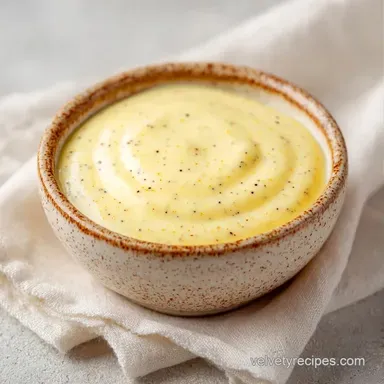
Vanilla Pastry Cream Recipe: Rich and Velvety
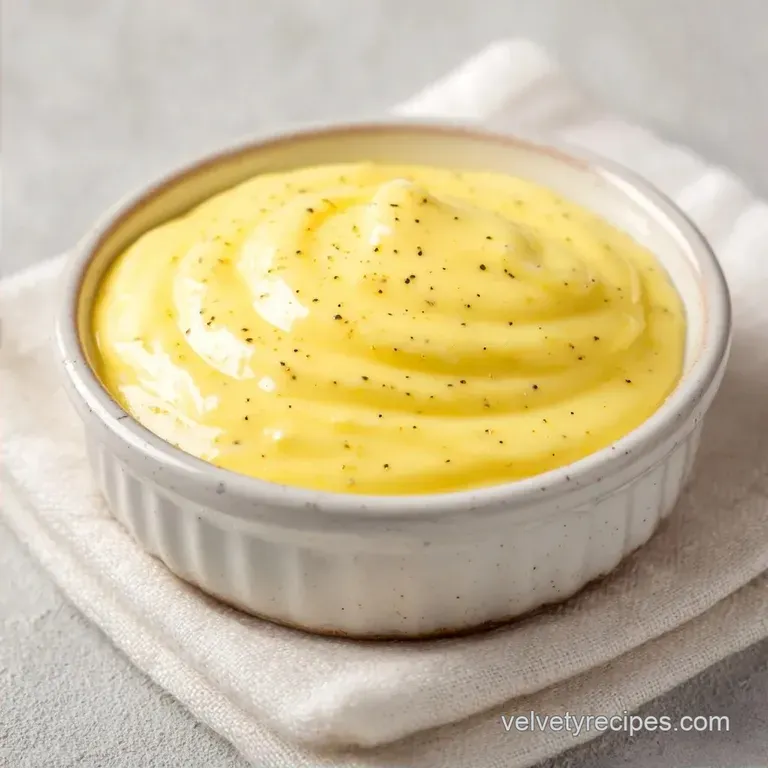
- Time: 5 min active + 2 hours 15 mins chilling
- Flavor/Texture Hook: Velvety, glossy, and rich
- Perfect for: Filling tarts, éclairs, or cake layers
The smell of a vanilla bean hitting hot milk is something you never forget. It isn't just "sweet," it's deep, woody, and almost floral. I remember the first time I tried making a homemade filling for some store-bought tart shells. I used a shortcut powder, and it tasted like artificial perfume and cardboard.
It was a huge letdown because the pastry shells were so crisp and buttery, but the filling had zero soul.
That's when I realized the difference between "custard" and a real pastry cream. This isn't a thin sauce that runs off the plate. It's a structural masterpiece. It's meant to be thick enough to hold a peak but silky enough to melt on your tongue.
The contrast is what makes it work: the cold, heavy richness of the cream hitting a shatter crisp piece of pastry.
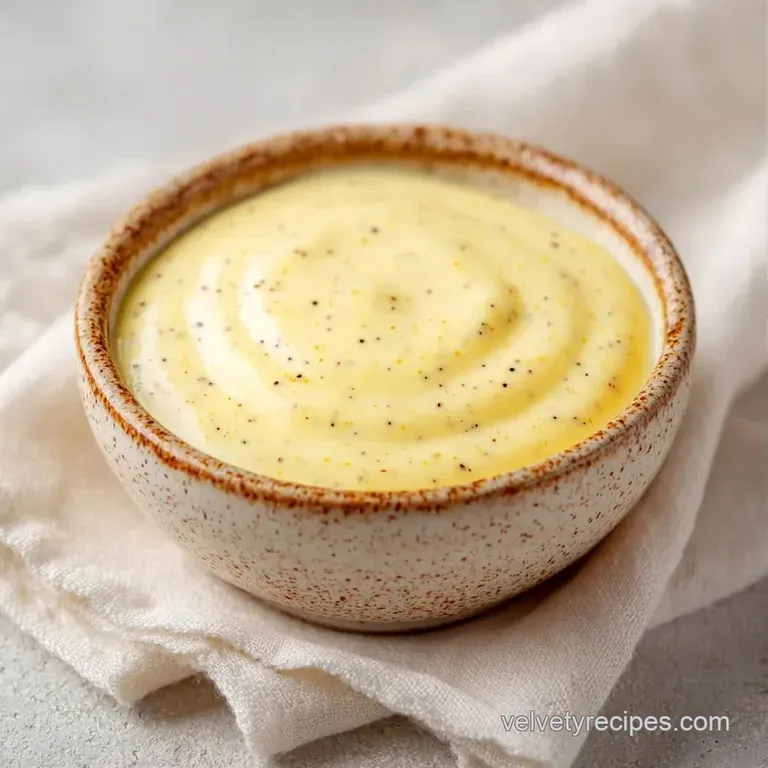
When you follow this Vanilla Pastry Cream Recipe, you're aiming for that specific glossy look. It should look like melted ivory. We're going to focus on the vanilla bean, the real hero here.
I chose the bean over extract because the tiny black specks are a visual cue to anyone eating it that this was made by hand with real ingredients. Extracts just can't mimic that complex, layered aroma.
Vanilla Pastry Cream Recipe
The secret to a great result is all about the contrast in temperatures. We start with steaming milk and cool eggs. If you just dump them together, you'll get sweet scrambled eggs. By slowly introducing the heat, we create a stable emulsion that stays velvety.
This is what separates a professional looking filling from a home cook mishap.
I've found that the ratio of cornstarch to egg yolks is the magic spot here. Too much starch and it tastes like pudding; too few yolks and it lacks that indulgent, fatty mouthfeel. This version hits the middle, giving you a filling that's sturdy enough for a cake layer but still feels like a treat.
It's the kind of rich contrast that makes a simple fruit tart feel like something from a high end bakery.
Whether you're filling a tiny tartlet or layering a massive cake, the goal is consistency. You want no lumps, no bubbles, and a flavor that lets the vanilla shine. Trust the process, especially the chilling part. The cream doesn't actually reach its final thickness until it's been in the fridge for a couple of hours.
Logic Behind the Method
Instead of a long lecture, here is the basic logic of why these steps matter for the texture.
- Temperature Tempering: Gradually heating the yolks prevents the proteins from tightening too quickly, which keeps the cream smooth.
- Starch Gelatinization: Cornstarch granules swell and burst when they hit a boil, creating the thick, stable structure.
- Fat Integration: Adding butter at the end creates a glossy finish and a richer, more velvety mouthfeel.
- Sieve Filtering: Passing the final cream through a mesh removes any tiny cooked egg bits for a perfectly uniform texture.
| Fresh Vanilla Bean | Vanilla Extract Shortcut | Texture Impact | Flavor Depth |
|---|---|---|---|
| Real pods/seeds | Liquid concentrate | Visible specks | Deep, woody |
| Slow infusion | Instant mix | Heavier body | Sharp, sweet |
| Higher cost | Budget-friendly | Luxury feel | Standard |
The difference between using a fresh pod and a bottle of extract is like the difference between a fresh orange and a powdered drink mix. One has layers; the other is just one note. While the extract works in a pinch, the bean provides a sensory experience that changes the whole vibe of the dessert.
Ingredient Deep Dive
| Ingredient | Science Role | Pro Secret |
|---|---|---|
| Whole Milk | Liquid base & fat | Don't use skim; you'll lose the velvety texture |
| Egg Yolks | Emulsifier & richness | Room temperature yolks blend more smoothly |
| Cornstarch | Thickening agent | Whisk thoroughly with sugar to avoid clumps |
| Vanilla Bean | Primary flavor | Steep the pod in the milk for maximum oil extraction |
Shopping List Breakdown
For this Vanilla Pastry Cream Recipe, you'll need a few specific items. Don't skim on the dairy here; the fat is what carries the vanilla flavor.
- 2 cups (480ml) whole milk Why this? Provides the essential fat for a velvety finish
- 1 vanilla bean, split and scraped Why this? The gold standard for deep, authentic flavor
- 1/2 cup (100g) granulated sugar Why this? Standard sweetness that doesn't mask the vanilla
- 1/4 cup (30g) cornstarch Why this? Creates a stable, pipeable structure
- 4 large egg yolks, room temperature Why this? Adds richness and helps the emulsion
- 1/4 tsp (1.5g) salt Why this? Cuts through the sugar to balance the taste
- 3 tbsp (42g) unsalted butter, cubed and softened Why this? Adds the final glossy sheen and richness
Substitution Options:
| Original Ingredient | Substitute | Why It Works |
|---|---|---|
| Whole Milk | Heavy Cream | Even richer, but can be too heavy for some tarts |
| Vanilla Bean | Vanilla Paste | Similar specks and flavor, though slightly less complex |
| Cornstarch | Flour (3 tbsp) | Thicker, more "bready" taste; less glossy finish |
| Granulated Sugar | Caster Sugar | Dissolves faster, reducing the risk of grit |
Gear You'll Need
You don't need a professional kitchen, but a few tools make this much easier. A heavy bottomed saucepan is non negotiable. Thin pans have "hot spots" that will scramble your eggs in seconds.
I also highly recommend a silicone whisk. It's gentler on the pan and gets into the corners better than a wire whisk. You'll also need a fine mesh sieve. Even if you think your cream is smooth, the sieve catches those tiny, annoying lumps that ruin the velvety experience.
Finally, get some high-quality plastic wrap. You need it to be flexible so it can lay flat against the surface of the cream. If there's a gap, a rubbery "skin" will form on top, and you'll have to stir it back in, which creates lumps.
The Cooking Process
- Combine the milk and vanilla bean seeds and pod in a saucepan. Heat over medium until the milk begins to steam and small bubbles form around the edges. Note: Do not let it reach a rolling boil or the milk might scorch
- Remove from heat and let sit for 2 minutes. Note: This allows the vanilla oils to fully infuse into the fat of the milk
- In a mixing bowl, whisk together the sugar, cornstarch, salt, and egg yolks until the mixture turns pale yellow and slightly thickened.
- Slowly pour about 1/2 cup (120ml) of the hot milk into the egg mixture while whisking constantly. Note: This is the tempering step to prevent scrambled eggs
- Pour the tempered egg mixture back into the saucepan with the remaining milk.
- Place over medium heat and whisk vigorously and constantly until the mixture thickens and reaches a gentle boil.
- Remove from heat immediately. Note: Overcooking can cause the starch to break down and thin out
- Stir in the softened butter until completely melted and glossy.
- Pour the cream through a fine mesh sieve into a clean bowl. Note: This removes the vanilla pod and any stray egg bits
- Press plastic wrap directly onto the surface of the cream and refrigerate until completely chilled (about 2 hours).
Troubleshooting Guide
Making a Vanilla Pastry Cream Recipe is usually straightforward, but a few things can go sideways. Most issues happen during the heating phase.
Lumpy Cream Issues
Lumps usually happen if the cornstarch wasn't fully whisked into the sugar or if the tempering was rushed. If you see small white dots, those are pockets of dry starch. If you see yellow lumps, those are partially cooked eggs.
Preventing Egg Scrambles
If the milk is too hot or you pour it in too fast, the eggs will cook instantly. You'll know this happened if you see "curds" in your sauce. The key is a slow, steady stream of milk while your other hand is whisking like crazy.
Thin Consistency Issues
If your cream doesn't thicken, you either didn't reach a boil or your cornstarch is old. Starch needs to hit a specific temperature to "activate." If it's still liquid after boiling for a minute, you might need to whisk in a tiny bit more cornstarch slurry (cornstarch mixed with a teaspoon of water).
| Problem | Root Cause | Solution |
|---|---|---|
| Rubber skin on top | Air gap between cream and wrap | Press wrap directly onto the surface |
| Grainy texture | Sugar didn't dissolve | Strain through a fine mesh sieve |
| Too thick to pipe | Overcooked or too much starch | Whisk in a tablespoon of warm milk |
Consistency Checklist:
- ✓ Milk is steaming but not boiling over
- ✓ Egg mixture is pale yellow before adding milk
- ✓ Constant whisking during the thickening phase
- ✓ Butter is fully incorporated for a glossy finish
- ✓ Plastic wrap is touching the cream surface
Make It Your Own
Once you have the base down, you can get creative. This Vanilla Pastry Cream Recipe is like a blank canvas. For a chocolate version, whisk in 4 ounces of melted dark chocolate after the butter is added. The richness of the chocolate pairs beautifully with the vanilla.
If you want something brighter, fold in some fresh lemon zest or a tablespoon of lemon juice after the cream has cooled. This creates a sharp contrast to the heavy cream. You can also use this as a filling for an Easy Red Velvet Cake recipe if you want something more structured than buttercream.
Another great move is adding a pinch of cinnamon or espresso powder. This makes it a great base for Cinnamon Sugar Cheesecake Bars or as a dip for fresh fruit. Just remember to fold in any additions after the cream has cooled slightly so you don't break the emulsion.
| Goal | Adjustment | Result |
|---|---|---|
| Extra Rich | Replace 1/2 cup milk with heavy cream | Heavier, more decadent feel |
| Lower Sugar | Reduce sugar by 2 tbsp | More vanilla forward, less sweet |
| Nutty Flavor | Add 1 tsp almond extract | Subtle marzipan like aroma |
Storage and Leftovers
Store your pastry cream in an airtight container in the fridge for up to 4 days. Because of the egg and milk content, it's a perishable item. Always keep it covered; otherwise, it will absorb the smells of whatever else is in your fridge (nobody wants onion flavored vanilla cream).
You can freeze this for up to 2 months, but be warned: the texture can change. When it thaws, it often separates or looks grainy. To fix this, put the thawed cream in a bowl and whisk it vigorously by hand or with a hand mixer for 2 minutes.
This "re emulsifies" the fats and brings back that velvety glow.
For zero waste, if you have a little bit left over, don't toss it. Stir it into your morning oatmeal or use it as a topping for a bowl of fresh berries. You can even whisk it into a latte for a homemade vanilla steamed milk drink.
Serving Suggestions
The best way to enjoy this is by playing with contrasts. Fill a crisp, buttery tart shell and top it with tart raspberries or sliced kiwi. The acidity of the fruit cuts through the richness of the cream, making every bite balanced.
For a more decadent treat, pipe the cream into a choux pastry shell for a classic éclair. Glaze the top with chocolate and you have a bakery level dessert. If you're feeling lazy, just put a dollop of the cold cream on a warm piece of toasted brioche.
Finally, try it as a filling for a layer cake. Because it's more stable than whipped cream, you can stack layers higher without the cake sliding apart. Just make sure the cake layers are completely cool before filling, or the cream will melt and run.
Recipe FAQs
What's the difference between vanilla pudding and pastry cream?
Pastry cream is richer and more stable. It uses egg yolks and cornstarch to create a thicker consistency suitable for fillings. This stability makes it a great foundation for desserts like our peanut butter cream pie.
What are the ingredients of pastry cream?
It consists of whole milk, a vanilla bean, granulated sugar, cornstarch, egg yolks, salt, and unsalted butter. These components combine to create a thick, glossy custard.
Is Bavarian cream and pastry cream the same thing?
No, they are different. Bavarian cream is a variation that is lightened and further stabilized, whereas pastry cream is the dense base custard.
Is crème pâtissière the same as pastry cream?
Yes, it is. Crème pâtissière is simply the French name for pastry cream.
Why did my pastry cream form a skin on top?
This happens when air hits the surface of the cooling cream. Press plastic wrap directly onto the surface of the cream before refrigerating to prevent this.
How to fix grainy pastry cream after freezing?
Whisk the thawed cream vigorously for 2 minutes. Use a hand mixer or whisk by hand to re-emulsify the fats and restore a smooth texture.
Is it necessary to strain the cream through a sieve?
Yes, it ensures a professional finish. Pour the mixture through a fine-mesh sieve to remove the vanilla pod and any stray egg bits.
Vanilla Pastry Cream Recipe: Velvety