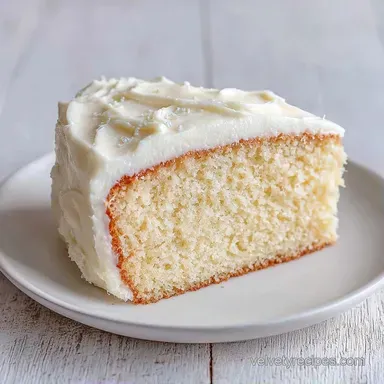
Moist Velvet Vanilla Cake: Silky and Soft
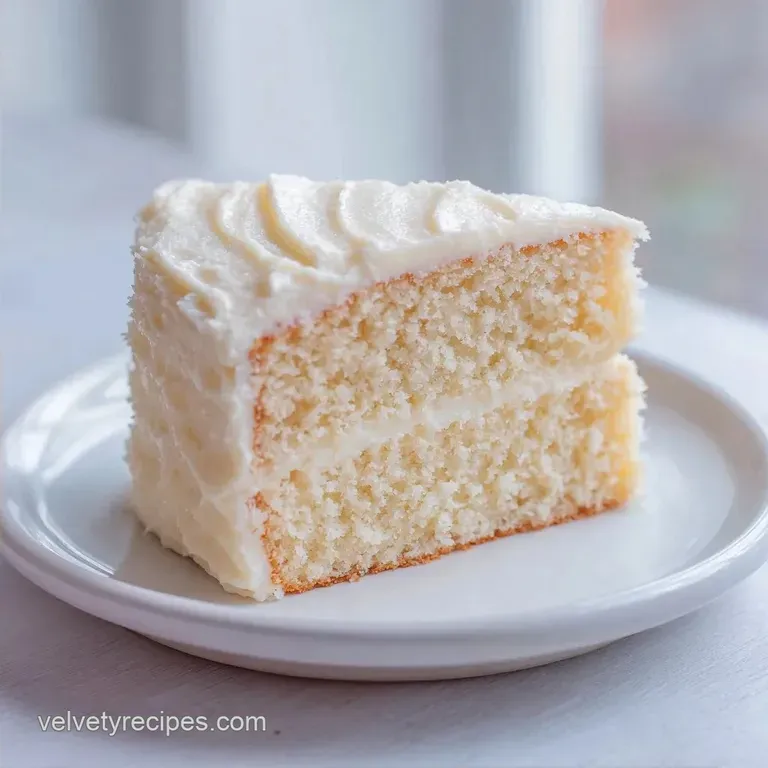
- Time: 15 min active + 2 hrs chilling
- Flavor/Texture Hook: Velvety, pillowy crumb with a silky vanilla finish
- Perfect for: Birthday parties, anniversary celebrations, or high stakes dinner guests
How to Make Moist Velvet Vanilla Cake
That smell of pure vanilla hitting a hot oven is a total mood. But let's be real, most white cakes are a letdown. You've probably had those ones that feel like eating a dry sponge or, worse, a piece of sweetened cardboard.
I spent way too long making cakes that looked pretty but tasted like they'd been sitting in a cupboard since last Christmas.
The real problem usually comes down to the fat source. Butter gives a great taste but can make a cake feel stiff once it cools. Oil keeps things moist but lacks that deep, buttery soul. The fix is using both.
This Moist Velvet Vanilla Cake uses a specific balance of vegetable oil and butter to get that signature "velvet" feel that actually melts in your mouth.
We're aiming for a crumb that's tight but tender, and a frosting that's stable enough to hold its shape without tasting like a block of sugar. If you've struggled with cakes that sink in the middle or feel rubbery, this is the version you want.
It's a straightforward process, but the details in the mixing and the chilling phase are where the magic happens.
The Secret to Velvet Texture
I'm not a scientist, but I've spent enough time in the kitchen to see what actually happens when you tweak these ingredients. Here is why this specific setup works.
The Fat Blend: Mixing butter and oil ensures the cake is rich but doesn't harden in the fridge. Oil stays liquid at lower temperatures, which keeps the Moist Velvet Vanilla Cake feeling soft.
Acidic Interaction: Buttermilk reacts with the baking powder to create a finer, more uniform bubble structure. This is what gives it that "velvety" feel instead of big, irregular holes.
Low Protein Flour: Cake flour has less protein than all purpose, which means less gluten develops. Less gluten equals a more tender, fragile crumb that doesn't fight back when you bite into it.
The Sift Factor: Sifting twice isn't just about lumps. It incorporates air into the dry ingredients, making the batter lighter before it even hits the oven.
The Emulsion Process: Adding the buttermilk mixture in stages prevents the batter from breaking. This creates a smooth, stable emulsion that rises evenly without collapsing.
Right then, before we get into the gear, let's look at how the baking method changes based on your equipment. While the oven is the gold standard, some folks use a "pot in-pot" stovetop method.
| Feature | Oven Method | Stovetop (Pot) Method | Best For |
|---|---|---|---|
| Heat Source | Ambient Air | Conductive Heat | Oven is more consistent |
| Texture | Even Rise | Denser Bottom | Oven for fluffy layers |
| Control | Precise Temp | High Variance | Oven for beginners |
| Time | 30 minutes | 45-60 minutes | Oven for speed |
If you're looking for something even simpler, you might like my Simple Velvet Sponge, but for a full on celebration cake, this one is the way to go.
Component Analysis
Understanding what each part does helps you avoid mistakes. If you swap something out without knowing why, you might end up with a brick.
| Ingredient | Science Role | Pro Secret |
|---|---|---|
| Cake Flour | Structure | Sift twice for a lighter crumb |
| Buttermilk | Tenderness | Use full fat for a richer mouthfeel |
| Vegetable Oil | Moisture | Keeps the cake soft at room temp |
| Vanilla Bean Paste | Aroma | Provides the tiny black specks and deep flavor |
The Essential Ingredient List
Grab everything and make sure your perishables are at room temperature. Cold eggs or buttermilk will curdle your butter, and you'll spend ten minutes trying to fix a broken batter.
For the Cake:
- 2 ½ cups (310g) cake flourWhy this? Lower protein means a softer, more tender cake.
- 1 ½ cups (300g) granulated sugar
- 1 tbsp (12g) baking powder
- ½ tsp (3g) salt
- ¾ cup (170g) unsalted butter, softenedWhy this? Provides the classic flavor and structure.
- 3 large eggs (150g), room temperature
- 1 cup (240ml) full fat buttermilk, room temperatureWhy this? Adds acidity to tenderize the gluten.
- 1 tbsp (15ml) pure vanilla extract
- ¼ cup (60ml) vegetable oilWhy this? Ensures the cake stays moist for days.
For the Frosting:
- 1 cup (225g) unsalted butter, softened
- 4 cups (500g) powdered sugar
- 2 tbsp (30ml) heavy cream
- 1 tsp (5ml) vanilla bean pasteWhy this? More concentrated and aromatic than extract.
- Pinch (1g) salt
Quick Substitutions:
| Original Ingredient | Substitute | Why It Works |
|---|---|---|
| Cake Flour | AP Flour + Cornstarch | 1 cup AP flour minus 2 tbsp, plus 2 tbsp cornstarch. Note: Slightly less tender. |
| Buttermilk | Milk + Lemon Juice | 1 cup milk with 1 tbsp lemon juice; let sit 5 mins. Note: Less thickness. |
| Vanilla Bean Paste | Pure Vanilla Extract | Same flavor profile. Note: No visual vanilla specks. |
| Heavy Cream | Whole Milk | Similar liquid content. Note: Frosting will be slightly less stable. |
According to King Arthur Baking, the protein content in flour is the biggest factor in cake texture, which is why that cake flour is so non negotiable here.
Must Have Baking Gear
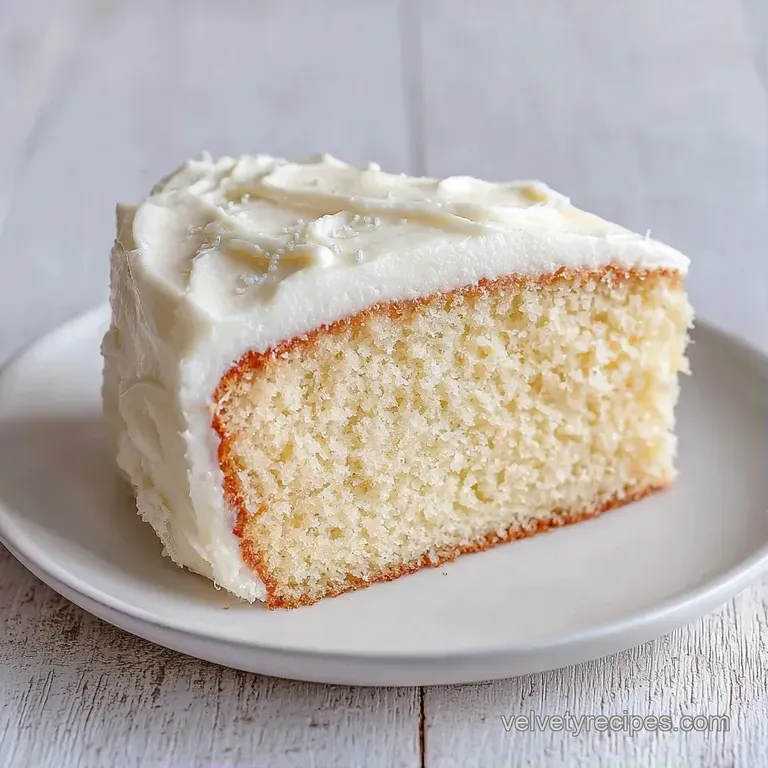
You don't need a professional kitchen, but a few specific tools make this Moist Velvet Vanilla Cake much easier to pull off.
- Two 8 inch round cake pans: These ensure the layers are an even height.
- Parchment paper: Trust me, don't rely on just grease. Line the bottoms so the cake slides out without tearing.
- Electric hand mixer or stand mixer: You need a steady speed for the creaming process. A stand mixer such as KitchenAid is great, but a hand mixer works fine.
- Fine mesh sieve: For that double sifting we talked about.
- Rubber spatula: Essential for folding in the flour without knocking out the air.
- Toothpick or cake tester: The only way to know if the center is actually done.
Step-by-step Baking Guide
Let's get into it. Pay attention to the cues, not just the timer. Every oven is a bit different, so use your eyes and nose.
Phase 1: Prepping the Foundation
- Preheat your oven to 350°F (175°C). Grease the cake pans and line the bottoms with parchment paper. Note: Preheating for at least 20 minutes ensures the temp is stable.
- Sift the cake flour, baking powder, and salt together twice to aerate the dry ingredients. Note: This prevents clumps of baking powder from creating "holes" in your cake.
Phase 2: Creating the Emulsion
- Cream the softened butter and granulated sugar on medium high speed for 3–5 minutes until the mixture is pale and fluffy. Note: Don't skip the time here; you're beating air into the butter.
- Incorporate the eggs one at a time, beating well after each addition until the batter is smooth and creamy. Note: Adding eggs too fast will cause the batter to separate.
- Whisk the vanilla extract and vegetable oil into the buttermilk. Note: Mixing the oil into the liquid first makes it easier to incorporate into the thick butter mixture.
Phase 3: The Final Fold
- Alternate adding the dry ingredients and the buttermilk mixture into the butter mixture (Dry → Wet → Dry → Wet → Dry), mixing on the lowest speed only until flour streaks disappear. Note: Overmixing at this stage develops gluten, which makes the cake tough.
Phase 4: Baking and Cooling
- Divide the batter evenly between the two prepared pans and bake for 30 minutes until a toothpick comes out clean. Note: The edges should just be starting to pull away from the pan.
- Prepare the frosting by beating together softened butter, powdered sugar, heavy cream, vanilla bean paste, and salt. Note: Start on low speed so you don't end up in a cloud of powdered sugar.
- Chill the cake and frosting for 2 hours to ensure stability before assembling and frosting. Note: This is the hardest part, but frosting a warm cake is a recipe for a melted mess.
Chef's Note: If you want an even more professional finish, wrap your cake layers in plastic wrap while they are still slightly warm, then pop them in the freezer for 30 minutes before frosting. This locks in moisture and makes them way easier to handle.
Solving Common Cake Problems
Even the best of us have cakes that go sideways. Usually, it's a temperature or mixing issue. If your Moist Velvet Vanilla Cake didn't turn out quite right, check these out.
Why Your Cake Sank in the Middle
This usually happens when the cake is taken out too early or the oven door was opened too often. If the structure hasn't set, the air bubbles collapse. You can actually fix this by filling the hole with a bit of frosting and smoothing it over.
Solving a Coarse Crumb
A coarse or "holey" crumb is a sign of overmixing or too much baking powder. When you mix the flour in, stop the moment you don't see white streaks. If you keep going, you're building a structure that's too strong, and the air bubbles grow too large.
Preventing Curdled Batter
If your batter looks like cottage cheese, your ingredients were too cold. The butter and eggs need to be the same temperature to bond. If this happens, set your mixing bowl over a pot of warm water for a few minutes and whisk gently to bring it back together.
| Problem | Root Cause | Solution |
|---|---|---|
| Dry Texture | Overbaked | Reduce bake time by 2-3 mins |
| Rubbery Crumb | Overmixed | Use a spatula for the final fold |
| Frosting Too Soft | Butter too warm | Chill frosting for 20 mins |
Common Mistakes Checklist:
- ✓ Did you sift the flour twice?
- ✓ Are the eggs and buttermilk truly room temperature?
- ✓ Did you stop mixing as soon as the flour disappeared?
- ✓ Did you wait the full 2 hours for the cake to chill?
- ✓ Did you use cake flour instead of all purpose?
Customizing Your Cake
While this Moist Velvet Vanilla Cake is a classic, you can easily pivot the flavor. If you're in the mood for something darker, you can use the same technique for a Rich Chocolate Velvet Cake, which uses cocoa powder for that deep contrast.
Flavor Variations:
- Lemon Velvet: Replace 1 tablespoon of vanilla extract with 1 tablespoon of fresh lemon zest and 1 teaspoon of lemon juice.
- Almond Twist: Use half vanilla and half almond extract. This gives it a wedding cake vibe.
- Berry Fill: Spread a layer of fresh raspberry jam or a lemon curd between the layers before frosting.
Dietary Adjustments:
| Original Ingredient | Substitute | Why It Works |
|---|---|---|
| Cake Flour | Almond Flour (mixed) | Use 50% almond flour for a denser, nuttier crumb. Note: More fragile. |
| Granulated Sugar | Maple Syrup | 1:1 ratio. Note: Adds moisture and a slightly darker color. |
| Butter/Oil | Applesauce | Replace oil with unsweetened applesauce. Note: Less rich, slightly denser. |
Decision Shortcut:
- If you want a denser, more "pound cake" feel → skip the oil and add 2 extra tbsp of butter.
- If you want a lighter, airier sponge → separate the eggs, beat the whites to peaks, and fold them in last.
- If you want a more stable cake for tiered stacking → increase the flour by 2 tablespoons and reduce the oil by 1 tablespoon.
Storing Your Cake Properly
A Moist Velvet Vanilla Cake is great the day it's made, but it's even better the next day once the flavors have settled. However, you have to store it correctly to keep that velvety texture.
Refrigeration If you've frosted the cake, it needs to stay in the fridge because of the butter based frosting. Place it in a cake carrier or an airtight container. It will stay fresh for 3 to 5 days.
To get the best taste, let a slice sit at room temperature for 30 minutes before eating so the butter in the sponge softens back up.
Freezing for Later You can freeze the cake layers without frosting. Wrap each layer tightly in two layers of plastic wrap and then a layer of aluminum foil. They'll stay perfect for up to 3 months. When you're ready, thaw them in the fridge overnight before frosting.
Zero Waste Tips Don't toss the leftover buttermilk! You can use it to soak fried chicken or mix it into pancake batter for breakfast the next morning. If you have leftover frosting, freeze it in small dollops on parchment paper. Once frozen, toss them in a bag.
You can pop a dollop on a warm brownie or a piece of toast for a quick treat.
Perfect Pairings for Vanilla
Since vanilla is a neutral, creamy base, you can go in a few different directions with your pairings.
Bright and Tart A fresh berry compote is the best way to cut through the richness of the frosting. Simmer some frozen raspberries with a squeeze of lemon and a teaspoon of sugar for 10 minutes until thickened. Spoon this over a slice of cake for a vivid contrast.
Warm and Bold For a more adult version, serve the cake with a side of cold brew coffee. The bitterness of the coffee balances the sweetness of the powdered sugar frosting perfectly.
Decadent Add ons If you're serving this for a party, try a side of macerated strawberries. Toss sliced berries with a bit of sugar and mint leaves. The brightness of the fruit makes the Moist Velvet Vanilla Cake feel less heavy and more like a summer treat.
Now you've got the full blueprint. Just remember to trust your eyes over the timer, keep your ingredients at room temperature, and for the love of baking, don't skip the chilling time. Happy baking!
Recipe FAQs
How to make the perfect vanilla cake?
Preheat your oven to 350°F and cream the butter and sugar for 3–5 minutes. This creates a pale, fluffy base that is essential for a velvety texture before you alternate adding dry ingredients and buttermilk.
How to make vanilla cakes taste better?
Use pure vanilla extract in the sponge and vanilla bean paste in the frosting. Combining these two forms of vanilla adds layers of depth and a professional flavor profile.
Why do I need to sift the dry ingredients twice?
Sifting aerates the cake flour and baking powder. This process removes lumps and ensures the leavening agent is perfectly distributed for a consistent rise.
Do I need to refrigerate the frosted cake?
Yes, the butter-based frosting requires refrigeration. Store it in an airtight container for 3 to 5 days, but let slices sit at room temperature for 30 minutes before eating to soften the sponge.
How long should I chill the cake before frosting?
Chill the cake and frosting for 2 hours. This temperature drop ensures stability so the frosting doesn't slide or melt during assembly.
Is it true that mixing the batter for a long time after adding flour makes it fluffier?
No, this is a common misconception. Mix on the lowest speed only until flour streaks disappear to prevent overworking the gluten, which would make the cake tough.
Can I substitute buttermilk with regular milk?
No, the acidity in buttermilk is required to react with the baking powder. If you enjoy the creamy consistency achieved with the dairy ratios here, see how a similar principle works in our vanilla custard.
Moist Velvet Vanilla Cake for 12 Slices