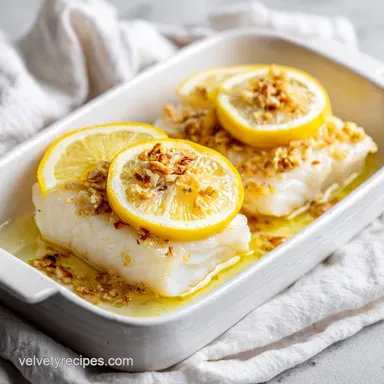
Mediterranean Baked Cod with Lemon and Garlic
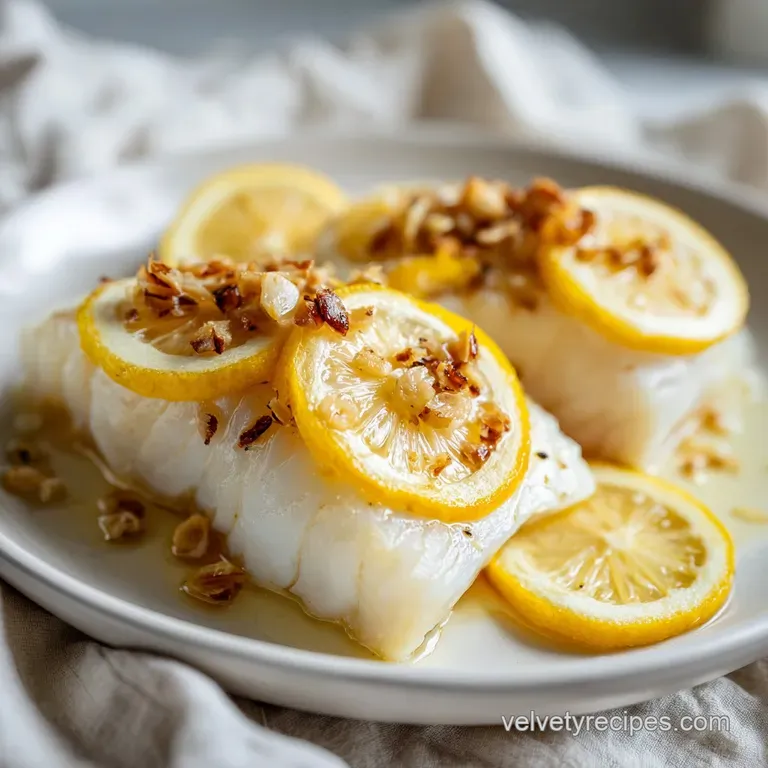
- Time: 10 min active + 20 min cook = Total 30 minutes
- Flavor/Texture Hook: Flaky, buttery fillets with a zesty, garlic infused crust
- Perfect for: Busy weeknight dinners or Budget-friendly healthy eating
- Mediterranean Baked Cod with Lemon and Garlic
- Secrets Behind the Flaky Texture
- Key Component Breakdown
- Necessary Kitchen Gear
- Step-by-Step Cooking Guide
- Fixing Common Fish Fails
- Troubleshooting Common Issues
- Adjusting the Serving Size
- Fish Cooking Misconceptions
- Storage and Waste Tips
- Best Side Dish Pairings
- Recipe FAQs
- 📝 Recipe Card
Mediterranean Baked Cod with Lemon and Garlic
I remember the first time I tried to make a "fancy" fish dinner on a tight budget. I bought some decent cod fillets, but I overcooked them into something resembling rubber erasers. I was so frustrated that I almost gave up on seafood entirely. The problem wasn't the fish, it was my lack of a system.
I was just throwing things in a pan and hoping for the best.
Then I discovered the trick of using a citrus bed. Instead of letting the fish sit directly on the metal or glass, I started lining the pan with lemon slices. Not only does this stop the fish from sticking, but it creates this light, aromatic steam that keeps the fillet velvety. Discover how to make the perfect Mediterranean Baked Cod with Lemon and Garlic using this simple method.
This dish is my go to when I want something that feels like a million dollars but doesn't require a fancy kitchen or a huge grocery bill. It's hearty, healthy, and honestly, it's one of the fastest ways to get a real meal on the table without relying on takeout.
Right then, let's get into how to actually make this happen.
Secrets Behind the Flaky Texture
When you're working with white fish like cod, the line between "juicy" and "dry" is incredibly thin. Most home cooks fail because they cook at too low a temperature for too long, which essentially squeezes all the moisture out of the protein.
- Citrus Cushion
- Placing fillets on lemon slices prevents sticking and adds a gentle steam to the bottom of the fish.
- Rapid Roasting
- Using 400°F ensures the exterior sets quickly, which helps keep the inside moist and flaky.
- Surface Drying
- Patting the fish dry removes excess water, so the marinade clings to the fish instead of sliding off into a puddle.
- Fat Barrier
- The olive oil creates a protective layer that prevents the lean cod from drying out under the oven's heat.
But what about the difference between using fresh fillets and frozen ones? I've tried both, and while fresh is great, frozen cod is a budget smart move that works just as well if you thaw it right.
| Feature | Fresh Fillets | Frozen/Thawed | Impact |
|---|---|---|---|
| Texture | Firmer, tighter flake | Slightly softer | Minimal if patted dry |
| Prep Time | Ready to go | Needs 12-24 hrs thaw | Adds planning time |
| Cost | Higher price point | Budget friendly | Significant savings |
| Flavor | Clean, ocean scent | Mild, neutral | None once marinated |
Key Component Breakdown
I don't believe in overcomplicating things. For this recipe, every ingredient has a job to do. If you remove one, you lose a layer of that Mediterranean profile.
| Ingredient | Science Role | Pro Secret |
|---|---|---|
| Extra Virgin Olive Oil | Heat Conductor | Use a cold pressed oil for a peppery finish |
| Lemon Juice | Protein Softener | Freshly squeezed is a must for the bright acidity |
| Garlic | Aromatic Base | Mince it fine so it doesn't burn in the oven |
| Paprika | Color & Earthiness | Adds a golden hue that makes the fish look roasted |
Necessary Kitchen Gear
You don't need a professional kitchen for this. A basic setup will do the trick. Trust me, the simpler the gear, the easier the cleanup.
- 9x13 inch baking dish (glass or ceramic works best)
- Paper towels (essential for drying the fish)
- Small mixing bowl for the marinade
- Whisk or fork
- Baking sheet (if you prefer to use foil for zero cleanup)
Step-by-step Cooking Guide
Let's crack on with the actual process. The key here is timing and temperature. If you follow these steps, you'll avoid the rubbery fish disaster I had years ago.
Preparing the Base
- Preheat oven to 400°F (200°C). Note: Ensure the rack is in the center for even heat.
- Line a 9x13 inch baking dish with thinly sliced lemon rounds. until the bottom is fully covered to create a non stick citrus base.
Applying the Flavor
- Pat the 1.5 lbs cod fillets completely dry using paper towels. Note: This is the most important step for a good crust.
- In a small mixing bowl, whisk together 3 tbsp extra virgin olive oil, 2 tbsp fresh lemon juice, 4 minced garlic cloves, 1 tsp dried oregano, and 1/2 tsp paprika.
- Season both sides of the cod with 1/2 tsp salt and 1/4 tsp black pepper.
- Coat the top and sides of the fillets generously with the lemon garlic marinade. until the fish is fully covered in the golden mixture.
The Precision Bake
- Place the coated fillets directly atop the lemon slices in your prepared dish.
- Bake for 12-20 minutes. until the fish is opaque white and flakes easily with a fork.
- Remove from oven and garnish immediately with 2 tbsp fresh chopped parsley.
Chef's Note: To get a slightly charred top, you can switch the oven to broil for the last 2 minutes. Just keep a close eye on it so the garlic doesn't burn!
Fixing Common Fish Fails
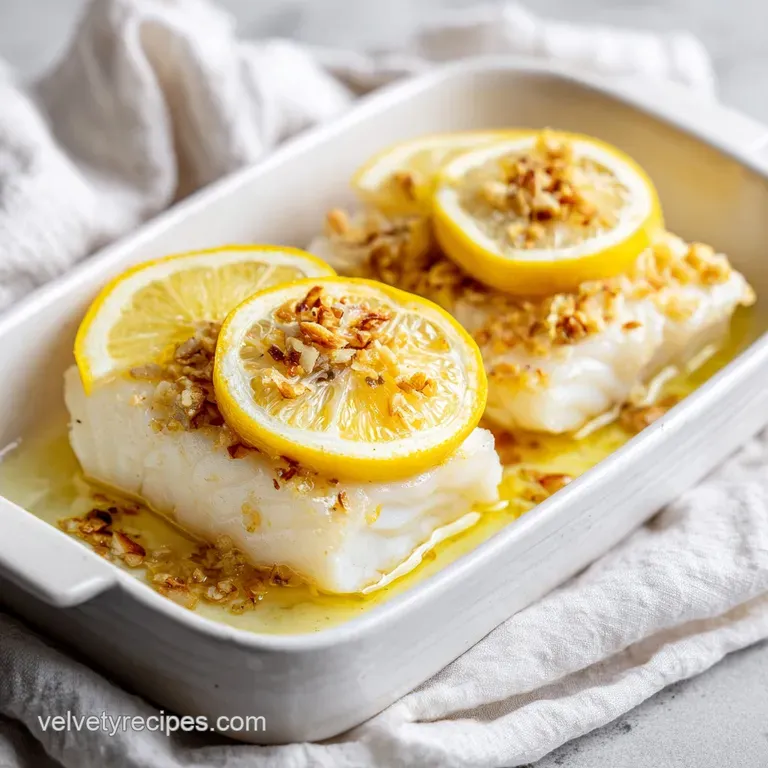
Even the best of us mess up sometimes. Usually, when fish goes wrong, it's because of moisture control or heat management. If your fish comes out looking like a puddle or feeling like a tire, check these common issues.
Troubleshooting Common Issues
| Issue | Solution |
|---|---|
| Fish releasing too much water | This usually happens if the fish wasn't patted dry or if you're using fillets that were frozen in a "water glaze." According to USDA Food Safety guidelines, proper thawing |
| Know if the cod is overcooked | Cod turns from translucent to a bright, opaque white. If it starts to look "chalky" or the flakes are very large and dry, it's overdone. Use a thermometer to hit about 145°F. |
| My fillets are different sizes | If you have one giant piece and one tiny piece, the small one will dry out before the large one is safe to eat. I recommend cutting them into similar sized portions for an even bake. |
Common Mistakes Checklist
- ✓ Forgot to preheat the oven (leads to uneven cooking)
- ✓ Used bottled lemon juice (lacks the punch of fresh)
- ✓ Overcrowded the pan (prevents proper roasting)
- ✓ Skipped the lemon slice base (fish sticks to pan)
- ✓ Seasoned with salt too late (doesn't penetrate the meat)
Adjusting the Serving Size
Depending on who you're feeding, you might need to tweak the quantities. Fish is easy to scale, but the pan size matters more than the amount of oil.
Scaling Down (for 2 people): Use 0.75 lbs of cod and a smaller 8x8 inch baking dish. Keep the temperature at 400°F, but start checking for doneness at 10 minutes, as smaller portions can cook faster. Reduce the marinade by half, but don't skimp on the lemon slices.
Scaling Up (for 6-8 people): Use 3 lbs of cod and two 9x13 inch pans. I don't recommend crowding one pan, as the fish will steam instead of roast. Increase salt and spices to 1.5x only, rather than doubling, to avoid over seasoning.
If using a larger oven, you might need to extend the time by 5 minutes.
Decision Shortcut
- If you want more char: Broil for the last 2 minutes.
- If you want a saucier dish: Add 1 tbsp of dry white wine to the marinade.
- If you want a milder taste: Use 2 garlic cloves instead of 4.
Fish Cooking Misconceptions
There are a lot of "rules" about fish that just aren't true. I've spent years testing these in my own kitchen, and here is what actually matters.
The "Searing" Myth: Some say you must sear fish in a pan first to "lock in juices." This is a total myth. Searing adds flavor and color, but it doesn't stop moisture loss. Baking at a high temperature does a great job of keeping the fish moist without the mess of frying.
The "Fresh is Always Better" Myth: While fresh caught is great, many "fresh" fillets at the store were actually frozen and thawed. high-quality frozen cod is often flash frozen on the boat, which actually preserves the quality better than "fresh" fish that has sat on a truck for three days.
The "Lemon Ruins Fish" Myth: Some people fear that acid "cooks" the fish too much. While lime or lemon juice can cure fish (like in ceviche), a quick marinade before baking actually helps break down tough fibers and makes the result more tender.
Storage and Waste Tips
Fish doesn't keep forever, so you have to be smart about how you handle the leftovers. Once cooked, the texture changes, so you can't just treat it like a roast.
Storage Guidelines: Store any remaining Mediterranean Baked Cod in an airtight container in the fridge for 2-3 days. I don't recommend freezing cooked cod, as it becomes mushy and loses its structure upon reheating.
Reheating the Right Way: Avoid the microwave if you can. It turns fish into rubber. Instead, put a fillet in a toaster oven or a pan over medium heat with a tiny bit of butter for 3-4 minutes just until warmed through.
Zero Waste Ideas: Don't throw away those roasted lemon slices! They've soaked up all the garlic and fish juices. I love chopping them up and stirring them into a pasta or using them as a base for a quick fish taco.
If you have leftover marinade, you can brush it onto roasted potatoes or carrots for a similar flavor profile.
Best Side Dish Pairings
Since the fish is light and zesty, you want sides that either complement that brightness or provide a hearty contrast.
The Bright Choice: For a refreshing side, a serving of Greek Tzatziki is a million dollar pairing. The cool cucumber and yogurt cut right through the richness of the olive oil and garlic.
The Hearty Choice: If you're feeding hungry kids or a crowd, serve this with roasted baby potatoes or a wild rice blend. If you love this kind of lemon garlic profile but want a different protein for another night, my Chicken Piccata recipe uses similar zesty notes.
The Low Carb Choice: Sautéed spinach or roasted asparagus are the way to go. Just toss them in the same oven on a separate tray for the last 10 minutes of the fish's cooking time. This keeps the whole meal healthy and effortless.
Recipe FAQs
Can I use halibut or haddock instead of cod?
Yes, most firm white fish work. Halibut is slightly denser and haddock is milder, but both cook well at 400°F using this method.
Why is my baked cod releasing too much water?
You likely didn't pat the fillets dry. Surface moisture creates steam instead of roasting, so always use paper towels before adding the marinade.
How to tell when the cod is perfectly cooked?
Check for opaque white flesh that flakes easily with a fork. For absolute precision, use a meat thermometer to ensure the internal temperature hits 145°F.
Is it true that frozen cod fillets cannot be used for this recipe?
No, this is a common misconception. Frozen fillets are perfectly fine as long as they are completely thawed and patted dry before seasoning.
Can I reheat the leftovers in the microwave?
No, avoid the microwave. Microwaves often make fish rubbery; use a toaster oven or a pan over medium heat to preserve the texture.
What side dishes pair best with this Mediterranean cod?
Light, roasted vegetables complement the lemon garlic profile. This dish pairs perfectly with roasted zucchini for a cohesive meal.
How to handle fillets of different thicknesses in one pan?
Place thicker fillets in the center of the baking dish. The edges of the pan heat up faster, so this positioning helps everything finish cooking at the same time.
Mediterranean Baked Cod