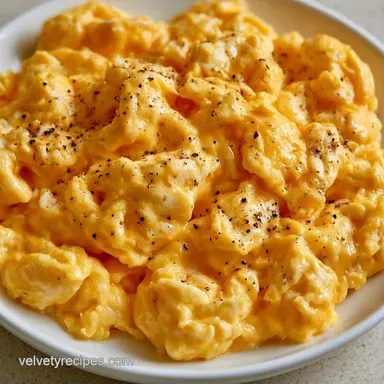
Velvet Scrambled Eggs in 12 Minutes
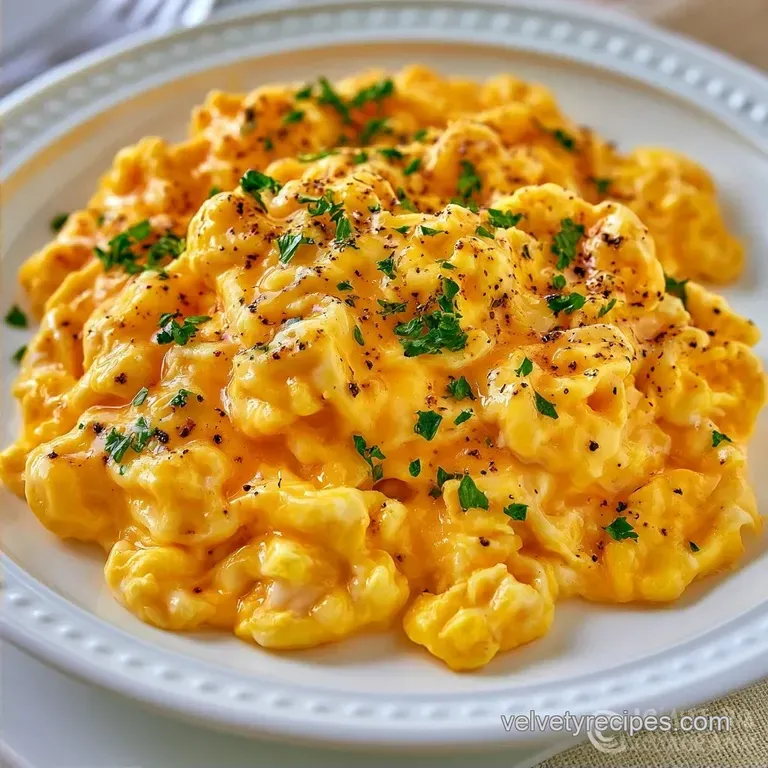
- Time: 5 min active + 7 min cook
- Flavor/Texture Hook: Silky, custard like curds
- Perfect for: A hearty weekend breakfast or a quick weekday fuel up
That sound of butter foaming in a pan is everything. But let's be real, we've all had that morning where the eggs turn into something resembling a wet sponge , worse, rubber bands. It usually happens because the pan is too hot or we leave them on the burner a few seconds too long.
I used to just crank the heat and hope for the best. Now I know that patience is the only way to get a result that feels like a million dollars. These Scrambled Eggs stay tender because we stop the cooking process before the eggs look "done."
You can expect soft, glossy curds that melt in your mouth. It's a simple shift in technique that changes everything about your morning routine.
Easy Scrambled Eggs That Aren't Rubbery
Low and Slow: Keeping the temperature down prevents the proteins from tightening too fast, which is what causes that rubbery bounce.
The Carryover: Eggs keep cooking for about a minute after they leave the pan. Pulling them while they look slightly underdone ensures they finish exactly right on the plate.
Aeration: Whisking for a full minute incorporates air, giving the eggs a lighter lift without needing heavy cream.
| Method | Time | Texture | Best For |
|---|---|---|---|
| Fast Sear | 3 mins | Firm/Browned | Breakfast Burritos |
| Classic Slow | 7 mins | Soft/Custard | Sourdough Toast |
Ingredient Roles
| Ingredient | What It Does | Best Swap |
|---|---|---|
| Greek Yogurt | Adds tang and moisture | low-fat milk |
| Unsalted Butter | Provides fat for a non stick finish | Olive oil |
| Sea Salt | Tightens proteins slightly for structure | Kosher salt |
Necessary Gear
You don't need a fancy setup here. A non stick skillet is a must, otherwise, you'll spend more time scrubbing the pan than eating. I use a silicone spatula because it scrapes the bottom cleanly without scratching the coating.
A simple glass bowl and a whisk do the trick for the prep. If you don't have a whisk, a fork works, but you'll have to work a bit harder to get the streaks of white out.
The Cooking Process
1. The Aeration Phase
Crack 4 large eggs into a bowl. Add 1 tbsp low-fat milk or plain Greek yogurt, 1/4 tsp fine sea salt, and 1/8 tsp cracked black pepper. Whisk vigorously for 60 seconds until the mixture is completely uniform.
Note: This ensures the salt is evenly distributed so the eggs cook at the same rate.
2. The over Low heat Emulsion
Place 1 tbsp unsalted butter in the pan over medium low heat. Wait until it foams but does not brown. Pour in the egg mixture and let it sit for 10 seconds. Note: This brief pause lets the bottom layer set slightly.
3. The Soft Set Finish
Stir slowly with your spatula in a circular motion. Fold the eggs gently until the curds look like thick custard. Remove the pan from the heat while the eggs still look slightly underdone and glossy.
Chef: If you want a protein boost, stir in a tablespoon of cottage cheese at the very end. It blends right in and adds a nice heartiness to the dish.
Fixing Common Egg Issues
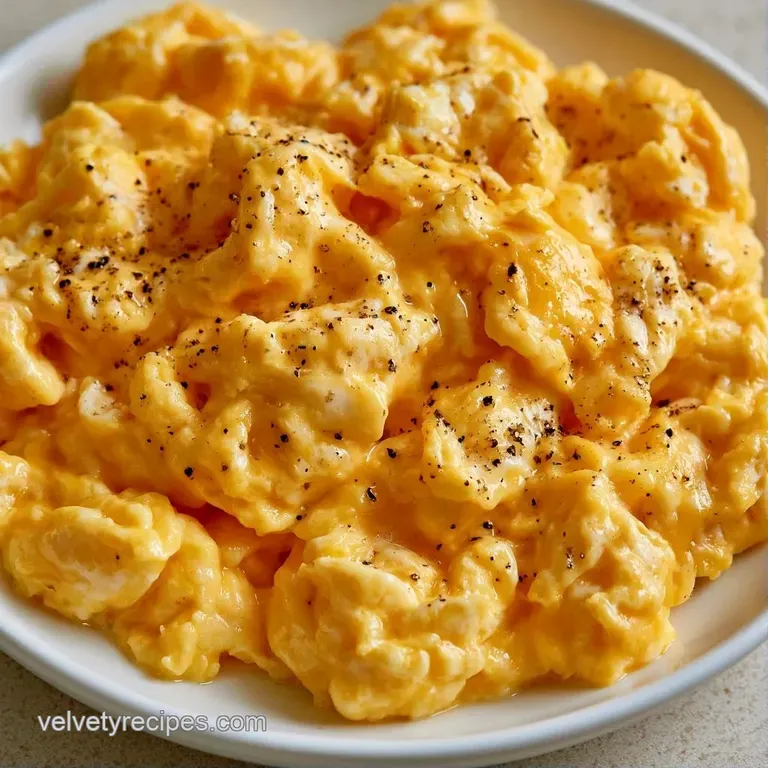
Rubbery eggs are the most frequent complaint. This happens when the eggs hit a pan that is way too hot, causing the proteins to seize up instantly.
Why Your Eggs Are Dry
If your Scrambled Eggs are too dry, you likely left them on the heat too long. The residual heat is powerful, so the eggs should look "wet" when they leave the pan.
If the Eggs Separate
A watery bottom usually means the eggs weren't whisked enough or the salt was added too late. Whisking for a full minute creates a stable emulsion.
| Problem | Root Cause | Solution |
|---|---|---|
| Rubbery Texture | Heat too high | Drop to medium low |
| Watery Bottom | Poor emulsion | Whisk for 60 seconds |
| Browned Edges | Butter burnt | Pull from heat sooner |
Simple Dietary Swaps
For a dairy-free version, swap the butter for a neutral oil and use an unsweetened almond milk. The texture remains soft, though you lose that buttery richness.
If you're looking for Velvet Scrambled Eggs with Cheese, fold in 20g of sharp cheddar during the last 30 seconds of cooking. The cheese should just start to melt before you pull the pan off the heat.
| Original Ingredient | Substitute | Why It Works |
|---|---|---|
| low-fat Milk | Unsweetened Almond Milk | Similar liquid ratio. Note: Lacks the richness of dairy |
| Unsalted Butter | Avocado Oil | High smoke point. Note: Less flavor than butter |
| Greek Yogurt | Heavy Cream | More fat for richness. Note: Makes curds denser |
Scaling Your Batch
When making these Scrambled Eggs for a crowd, don't just double the ingredients in one small pan. Overcrowding the pan drops the temperature too much, and you'll end up steaming the eggs instead of cooking them.
Work in batches of 4-6 eggs. If you must double the recipe in one go, use a larger skillet and increase the butter by 1.5x. For a single serving, beat one egg in a bowl first, then use half of the mixture to keep the ratios correct.
Egg Myths
Some people think adding milk makes eggs fluffier. In reality, milk adds moisture and prevents them from toughening, but the air from whisking is what actually provides the lift.
Another common thought is that salt should only be added at the end. Actually, salt helps break down the protein bonds early on, which helps the eggs stay tender. If you're into other egg styles, you can see how timing differs in this guide to easy peel hard boiled eggs.
Storage and Leftovers
You can keep these in the fridge for up to 3 days in an airtight container. To reheat, avoid the microwave if you can. Instead, put them back in a pan on low heat with a tiny knob of butter to bring back that feel.
For zero waste, don't toss your eggshells. Crush them up and add them to your garden soil as a calcium boost for your plants.
Plating Your Breakfast
I love serving these on a piece of toasted sourdough. It provides a crunch that balances the softness of the eggs. For a fresh kick, top them with a spoonful of homemade salsa to cut through the richness of the butter.
Decision Shortcut: If you want a light meal, serve with fresh spinach. If you want something hearty, add smoked salmon. If you're in a rush, wrap them in a warm tortilla.
Trust me on this, once you start pulling your Scrambled Eggs off the heat while they're still glossy, you'll never go back to the rubbery versions. It's the simplest way to make a basic breakfast feel special.
Recipe FAQs
How do you make scrambled eggs velvety?
Whisk the eggs with milk or Greek yogurt for a full 60 seconds. This eliminates streaks of egg white and creates a uniform mixture for a smooth texture.
What is the secret to creamy scrambled eggs?
Remove the pan from the heat while the eggs still look slightly underdone. Residual heat finishes the cooking process on the plate, preventing them from becoming dry.
Why are my "soft and creamy" scrambled eggs still turning out dry or rubbery?
The heat is likely too high or they are cooking too long. Stick to medium low heat and stop the process as soon as the curds resemble thick custard.
Can I use milk instead of heavy cream to achieve the creamy texture?
Yes, low-fat milk or Greek yogurt works perfectly. These ingredients provide the necessary moisture for a soft curd without needing heavier creams.
Is it safe that my scrambled eggs look slightly wet or glossy after cooking?
Yes, this is the ideal sign to stop cooking. Eggs continue to set after leaving the pan, so a glossy finish ensures they stay moist.
Should I use a plastic spatula or a wooden spoon for stirring the eggs?
Use a silicone spatula. The flexible edge allows you to fold the eggs gently and scrape the pan efficiently to maintain a consistent curd.
What is the correct way to store or reheat leftover scrambled eggs?
Store them in an airtight container in the fridge for up to 3 days. Reheat in a pan on low heat with a tiny knob of butter, and serve them alongside protein biscuits for a complete meal.
Velvet Scrambled Eggs